Conditions Potentially Linked to Adult Flat Feet

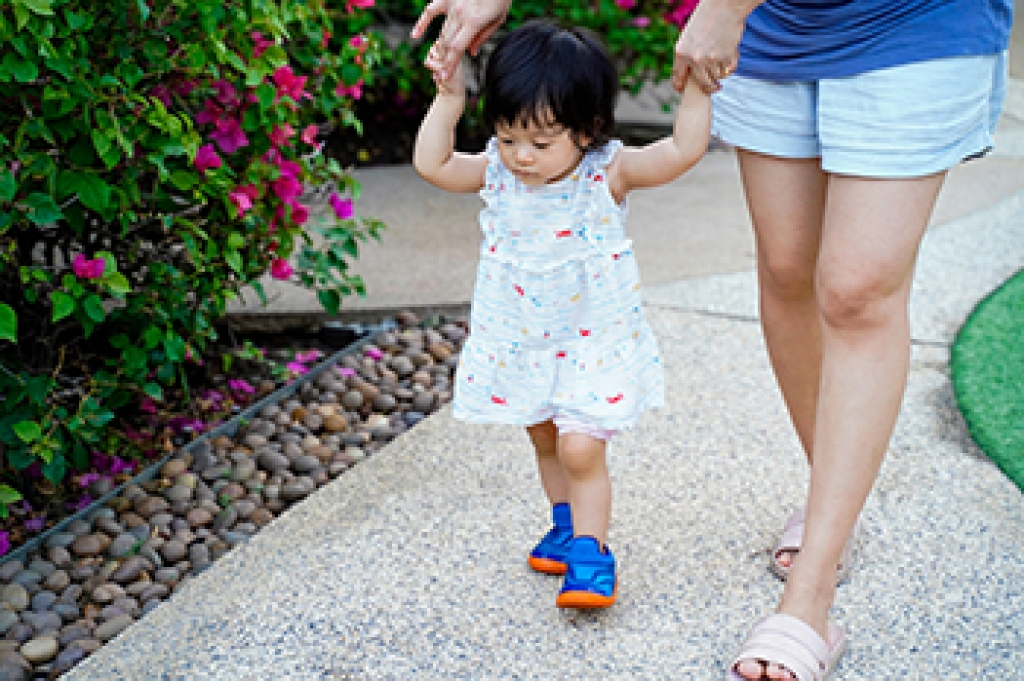
Adult flat feet, a condition where the arches of the feet have collapsed or never fully developed, can potentially lead to various associated issues. One primary concern is overpronation, where the foot rolls inward excessively during walking, impacting the alignment of the lower limbs and potentially causing discomfort. This altered biomechanics can contribute to shin splints, as the muscles and tendons undergo increased stress. The misalignment may also trigger plantar fasciitis, resulting in inflammation and heel pain. Bunions, a deformity of the big toe joint, are another potential consequence, as the flattened arch alters the distribution of weight on the foot. Furthermore, adult flat feet can contribute to Achilles tendonitis due to increased strain on the Achilles tendon. If you have flat feet, it is strongly urged that you are under the care of a chiropodist who can offer you appropriate foot stretches for relief, in addition to correct treatment techniques. 

Flat feet are a common foot condition. If you are experiencing pain or discomfort due to flat feet, please consult with one of our chiropodists from West Toronto Foot & Ankle Clinic Inc. . Our chiropodist will assess your condition and provide you with quality foot and ankle treatment. 

What Are Flat Feet? 

Flat feet are feet that do not have a well-defined arch in the middle of the sole of the foot. Flat feet may be flexible or rigid. Flexible flat feet have an arch when there is no pressure put on the foot, such as when one is sitting, but the arch disappears upon standing. Rigid flat feet lack an arch regardless of whether one is standing or not. 

Causes

Flat feet can be present from birth or acquired over time due to a weakening of the ligaments in the arch. Sometimes flat feet are caused by illnesses, injuries, or pregnancy. 

Symptoms

Flat feet often cause no noticeable symptoms. However, some people may experience pain and discomfort due to their flat feet. 

Symptoms associated with flat feet include:

  • Pain in the arch, heel, ankle, or along the outside of the foot
  • Overpronation of the foot
  • Shin splints
  • Aching or fatigue in the feet or legs
  • Pain in the knees, hips, or lower back

Treatment 

In cases where flat feet cause symptoms, there are various treatments available. Wearing orthotic inserts in your shoes to provide more arch support, performing stretches, and taking medications may improve your symptoms. If you are overweight, losing weight can help relieve pressure on the feet. In severe cases, surgery may be considered. 

If you have any questions please feel free to contact our office located in Toronto, ON

Read more about Flat Feet

Managing Corns on the Feet

Corns and calluses may seem like small inconveniences, but they can cause significant discomfort if left untreated. Corns are cone-shaped bumps that typically appear on the smaller toes, especially over joints. They can be tender and painful, making every step a challenge. Calluses, on the other hand, are broader and flatter, typically found on the soles of the feet. There are various reasons why corns can develop. In most cases, it is friction and pressure, particularly from wearing tight or ill-fitting shoes. Those individuals with toe deformities such as hammertoe are especially susceptible to corns. Diagnosis is based on appearance and location, and treatment often involves removing the corn or callus and applying skin-softening agents. Prevention of corns and calluses is key. It pays to invest in properly fitting footwear and consider orthotic inserts if necessary. If you have corns or calluses that interfere with your daily activities, it is suggested that you schedule an appointment with a chiropodist for proper care and treatment.

Corns are small bumps or dry, hardened skin that can arise on the feet, usually in response to friction. Corns can be asymptomatic, or they can be uncomfortable or painful. If you have corns that are bothering you, please consult with one of our chiropodists from West Toronto Foot & Ankle Clinic Inc. . Our chiropodist can help you maintain the health of your lower limbs and your mobility. 

There are three types of corns:

  • Hard corns
    • Often occur on the tops of toes
    • Feature a hard core surrounded by dry, irritated skin
    • Can be painful
  • Soft corns
    • Often occur in between the toes
    • Soft due to constant exposure to sweat
    • Can be painful
  • Seed corns
    • Tiny
    • Often occur on the soles of the feet
    • Usually asymptomatic

Corns can be prevented by wearing shoes that fit properly. They are typically benign and don’t require medical treatment. However, if your corns are causing you pain or discomfort, don’t hesitate to reach out to a chiropodist near you for treatment options. If you have any questions please feel free to contact our office located in Toronto, ON

Read more about Corns on the Feet

Are You Suffering From Nerve Damage?

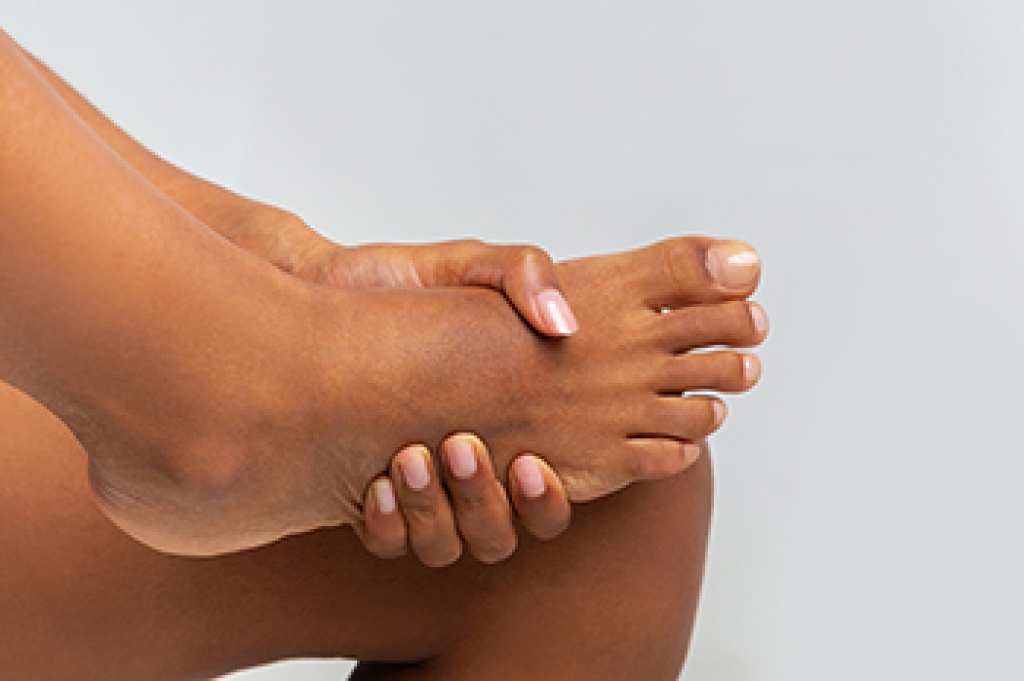
Neuropathy is a condition that can lead to numbness or loss of sensation in the feet, but it can also cause pain. This condition is more likely to develop for those who are diabetic, obese, or with high blood pressure.

How Diabetes Affects the Feet

Diabetes poses significant risks to foot health due to its impact on blood glucose levels, which can lead to peripheral neuropathy and peripheral vascular disease. Peripheral neuropathy results in nerve damage that reduces sensation in the feet, while peripheral vascular disease affects blood circulation that can hinder the healing process. This combination of diabetes side effects increases the likelihood of developing foot ulcers and other complications. Early detection of symptoms such as numbness, tingling, changes in foot color, or slow-healing wounds is essential. Managing diabetes effectively through stable blood sugar levels, quitting smoking, and staying physically active is beneficial. To further reduce the effects of diabetes on the feet, it is important to practice good foot hygiene and wear supportive shoes and socks. It is also suggested that you schedule regular visits with a chiropodist for tests for nerve function and circulation, in addition to monitoring the health of your feet.

Diabetes can cause serious problems in the lower limbs if proper preventive measures are not taken and diabetic wound care is not performed. If you would like to learn more about caring for diabetic feet, please consult with one of our chiropodists from West Toronto Foot & Ankle Clinic Inc. . Our chiropodist can help you maintain the health of your lower limbs and your mobility. 

Diabetes can lead to a host of foot and ankle complications, including: 

  • Poor circulation
  • Peripheral neuropathy
  • Diabetic foot wounds and ulcers
  • Infection
  • Corns and calluses
  • Dry, cracked skin
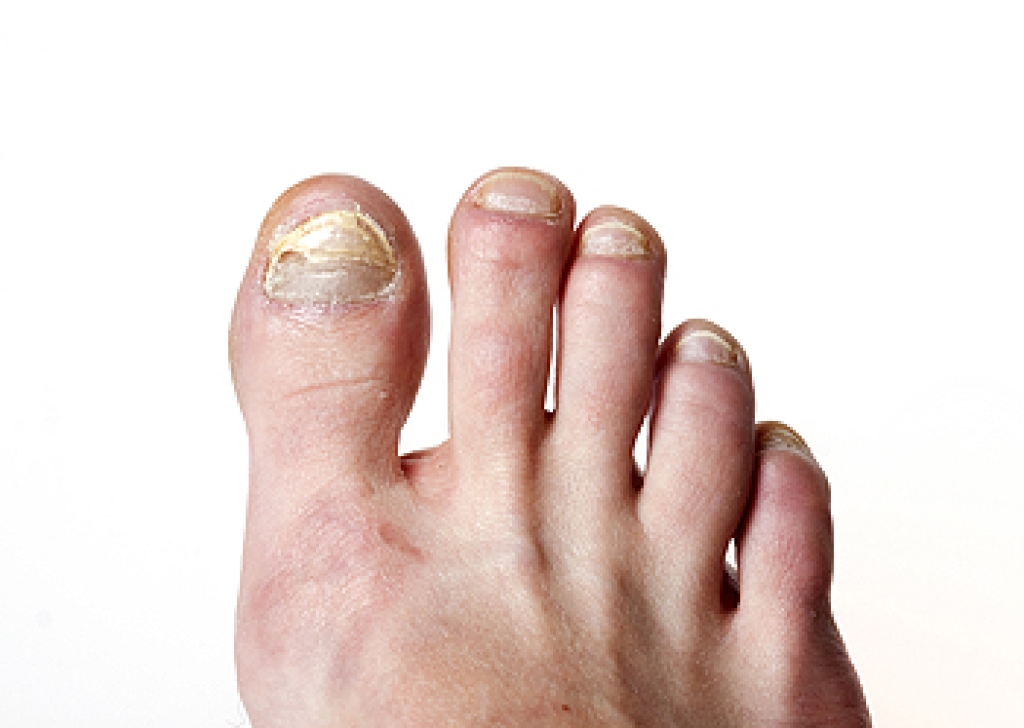
  • Nail disorders
  • Hammertoes
  • Bunions
  • Charcot foot

If you have diabetes, you must be vigilant of any changes in your foot health. This is best done through daily foot inspections. Using a mirror to help you if necessary, look for any: 

  • Cuts, scrapes, sores, or wounds
  • Bruising or discoloration
  • Swelling
  • Rash
  • Foul odor
  • Nail changes
  • Hair loss
  • Warmth and inflammation
  • Deformities
  • Lower limb pain
  • Strange sensations (numbness, tingling, burning, pins, and needles)

If you have any questions please feel free to contact our office located in Toronto, ON

Read more about Diabetic Foot Care

Foot Safety Precautions While Working

Safety footwear and leg protection worn in workplaces serve a vital role in safeguarding employees from various physical hazards. These hazards encompass scenarios such as falling or rolling objects, objects that can pierce or crush, and exposure to extreme heat or cold. It is important to note that different types of footwear and legwear are designed to protect against specific hazards, so their selection should be based on the particular risks present at a worksite. If you work in a profession that exposes your feet to risk, it is strongly suggested that you schedule an appointment with a chiropodist to discuss what type of footwear would be most protective for your job, and to provide advice on other ways to safeguard your feet.

If you stand all day, you may be at an increased risk of developing various foot conditions. If you are experiencing foot pain of any kind, please consult with one of our chiropodists from West Toronto Foot & Ankle Clinic Inc. . Our chiropodist will assess your condition and provide you with quality foot and ankle treatment. 

What Foot Problems Are Caused by Standing?

Standing all day at work may increase your risk of developing foot or ankle problems.

Some common foot conditions that may arise from spending all day on your feet include: 

  • Foot pain
  • Blisters
  • Corns and calluses
  • Arthritis
  • Flat feet
  • Bunions
  • Sprains
  • Athlete’s foot

Prevention

If you stand for prolonged periods of time for work, taking preventative measures to preserve the health of your feet is strongly recommended. 

Measures you can implement to help prevent foot problems include: 

  • Wearing shoes that are comfortable and fit well - these shoes should be made of breathable materials and provide you with arch support and cushioning. It is best to avoid shoes that have heels or narrow toe boxes.
  • Taking breaks to rest, walk, and stretch your feet throughout the day
  • Maintaining good foot hygiene - wash and dry your feet thoroughly every day

If you have any questions please feel free to contact our office located in Toronto, ON

Read more about Working on Your Feet

Connect With Us