
Plantar warts are small growths that develop on parts of the feet that bear weight. They're typically found on the bottom of the foot. Don't live with plantar warts, and call us today!
Plantar warts are small growths that develop on parts of the feet that bear weight. They're typically found on the bottom of the foot. Don't live with plantar warts, and call us today!
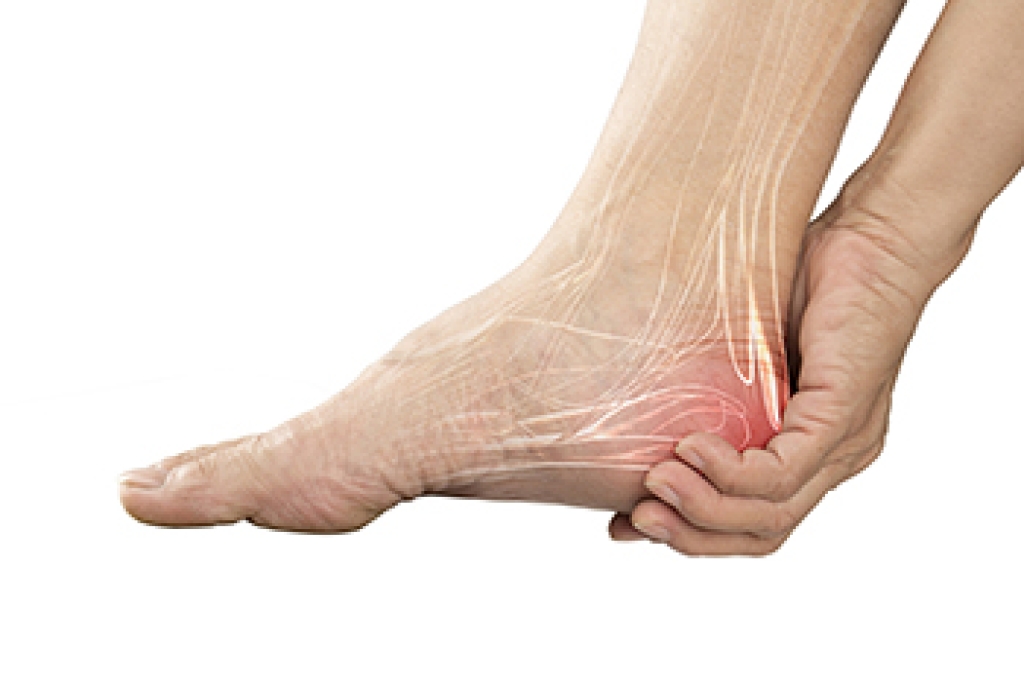
Heel pain can make standing, working, and walking difficult. It can develop beneath the heel, behind it, or along its sides. Plantar fasciitis is a frequent cause. It affects the thick band of tissue that supports the arch and connects the heel to the toes. Pain from this condition is strongest with the first steps after resting. Other causes include heel-pad irritation, arthritis, and a stress fracture. Achilles tendon problems can produce pain at the back of the heel. Symptoms can range from a dull ache to a sharp pain. Swelling, stiffness, or tenderness can also occur.
Several factors can place strain on the heel. These include long periods of standing, a sudden increase in activity, and shoes that lack proper support. Hard work surfaces can also add pressure. People with flat feet or high arches can have uneven force across the heel. Tight calf muscles can affect foot movement and pull on tissues near the heel. Excess body weight can increase the load placed on the feet. Because heel pain has many causes, an accurate diagnosis from a chiropodist is important. Continuing activity despite worsening pain can make daily movement more difficult.
A chiropodist can ask when the pain began and examine the painful area. The assessment can include checking foot shape, joint movement, and walking patterns. The chiropodist can determine which structures are affected and explain the cause. Treatment can include custom orthotics to improve support and redistribute pressure. Padding or heel lifts can protect sensitive areas and reduce strain. A chiropodist can also recommend shoes with the right fit, cushioning, and support, depending on the cause. Regular follow-up visits allow the chiropodist to review progress and adjust the treatment plan as needed. If you have heel pain, it is suggested that you schedule an appointment with a chiropodist for a diagnosis and appropriate treatment.
Heel pain is a common problem that can be caused by a variety of injuries, medical conditions, and other factors. If you suffer from heel pain, please consult with one of our chiropodists from West Toronto Foot & Ankle Clinic Inc. . Our chiropodist can help you maintain the health of your lower limbs and your mobility.
When it comes to heel pain, the exact location and type of pain are important to note. Some of the conditions that may cause heel pain include:
Your chiropodist will be able to diagnose the underlying cause of your pain and prescribe the right treatments for you. If you have any questions please feel free to contact our office located in Toronto, ON .

Ankle pain can develop even when there has been no fall, twist, or other clear injury. The discomfort can begin suddenly or build gradually. It may affect the front, back, or sides of the ankle. Possible causes include arthritis, gout, and inflammation around a tendon. Flat feet or shoes that lack proper support can also place extra strain on the ankle joint. In some patients, an infection or an illness that causes inflammation throughout the body is responsible. Because these problems require different care, the location of the pain does not always reveal its cause.
Symptoms can offer useful clues during an exam by a chiropodist. Arthritis can cause stiffness, swelling, and pain that is worse after rest. Gout can produce intense pain with warmth and redness around the joint. Tendon problems can make the ankle sore with movement or tender near the heel. Changes in foot shape may affect balance and create discomfort while walking. An ankle that is hot, very swollen, or difficult to move needs prompt attention. Fever, an open wound, or spreading redness can point to an infection that requires urgent medical care.
A chiropodist can examine the ankle and foot to determine exactly what is placing stress on the area. This includes checking joint movement, foot alignment, and areas of tenderness. The chiropodist may also watch how the patient stands and walks. When more information is required, X-rays or other imaging tests can help identify joint damage, tendon trouble, or infection. Treatment depends on the cause and can include custom orthotics, supportive shoes, or an ankle brace. A chiropodist can also reduce pressure on painful areas and address related foot problems. If you have ankle pain, it is suggested that you schedule an appointment with a chiropodist for a diagnosis and appropriate treatment.
Ankle pain is a common symptom of many lower limb problems. If you are experiencing ankle pain, please consult with one of our chiropodists from West Toronto Foot & Ankle Clinic Inc. . Our chiropodist will assess your condition and provide you with quality foot and ankle treatment.
The ankle is composed of a number of muscles, bones, tendons, and ligaments. There are many conditions which may cause ankle pain.
Causes
Symptoms
If you have ankle pain, you may also experience a variety of other symptoms depending on the underlying cause of the pain. Some of these symptoms may include ankle swelling, bruising, redness, numbness or tingling, instability, and difficulty walking.
Diagnosis
The underlying cause of ankle pain can be diagnosed by a chiropodist. Diagnoses are typically made based on your medical history, a physical examination of the affected ankle, and imaging studies such as X-rays.
Treatment
Treatment for your ankle pain will depend on its underlying cause. Often, the chiropodist will recommend that you rest the affected ankle. You might also need to ice, compress, and elevate the ankle, wear an orthotic device, or take medications to reduce pain and inflammation.
If you have any questions please feel free to contact our office located in Toronto, ON .

Foot pain can make work, exercise, and daily routines harder than they should be. Discomfort can develop in the heel, arch, or toes. It can feel sharp, aching, or burning. Common causes include bunions, ingrown toenails, and plantar fasciitis. Plantar fasciitis is an irritation of the strong band of tissue that supports the arch. Pain can also follow an injury, repeated pressure, or wearing shoes that lack proper support. Because different problems can cause similar symptoms, guessing at the cause can delay proper care and prolong your discomfort.
A chiropodist can examine your feet, review your symptoms, and assess how you stand and walk. This evaluation helps identify whether pain comes from a joint, toenail, or soft tissue. The chiropodist can also check for swelling, skin changes, and reduced movement. Treatment depends on the source and severity of the problem. Options include custom orthotics, professional nail care, and padding that reduces pressure. Orthotics are shoe inserts designed to support the feet and improve alignment. A chiropodist can also recommend shoes with the right fit, cushioning, and support for your foot shape and activities.
Prompt attention is especially important when you notice redness, warmth, or drainage. Numbness, weakness, or a sudden change in foot color also deserves professional assessment. Patients with diabetes should report new foot pain or skin damage promptly because small problems can become more serious. Bring the shoes you use most to your appointment, and explain when the pain began. Mention where it hurts and what makes it worse. Clear details help the chiropodist form a diagnosis and create a focused treatment plan. When pain affects your normal activities, returns repeatedly, or continues without improvement, it is time to get help. If you are experiencing foot pain, it is suggested that you schedule an appointment with a chiropodist for a diagnosis and appropriate treatment.
Foot pain can have many causes. To receive an accurate diagnosis and treatment for your foot pain, please consult with one of our chiropodists from West Toronto Foot & Ankle Clinic Inc. . Our chiropodist will assess your condition and provide you with quality foot and ankle treatment.
Causes
There are a variety of different conditions that can cause foot pain, including:
Symptoms
The type and location of your foot pain can help determine what may be causing it and what type of treatment options are best for you.
Common types of foot pain include:
Diagnosis
A thorough medical history and physical examination of your feet will be required to determine a diagnosis. Imaging studies, such as X-rays or MRIs may be performed to rule out or confirm certain diagnoses.
Treatment
Treatment will depend on the cause of the pain. Common treatments for foot pain include resting, icing, compressing, and elevating the affected foot, wearing orthotics, or taking anti-inflammatory medications.
If you have any questions please feel free to contact our office located in Toronto, ON .

Painful deformities, such as hammertoes, can be treated. Stop living with foot pain, and have beautiful feet again!
Connect With Us
