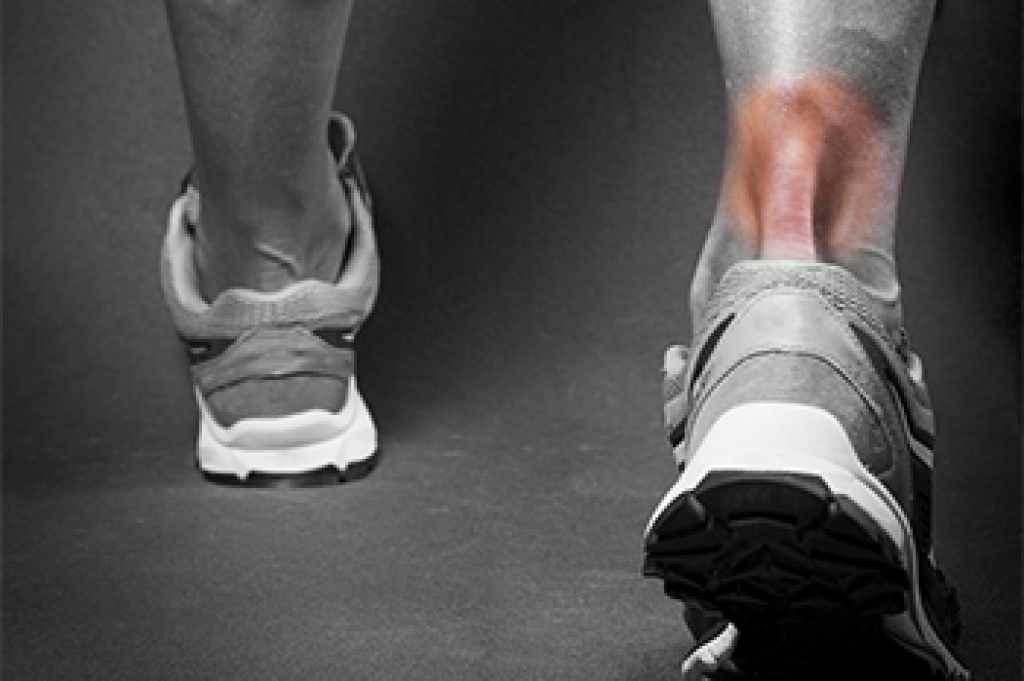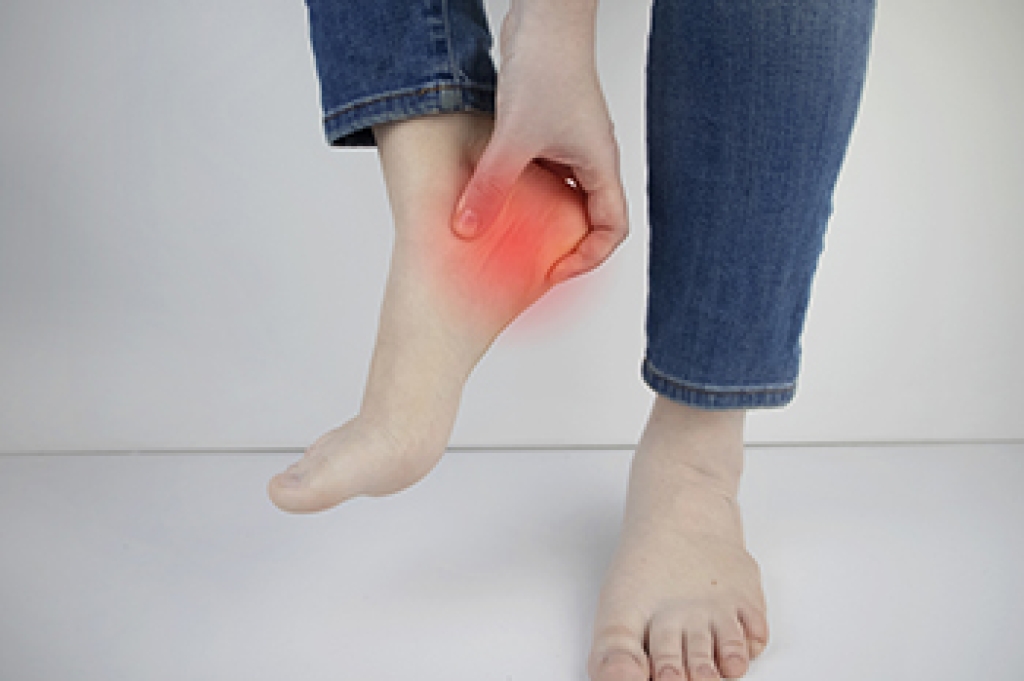
Overuse Can Lead to Plantar Fasciitis

Running can be good for your cardio-vascular health and overall physical well being. But sometimes runners overdo it by running too far, too fast, and too often. Among other injuries, this can cause plantar fasciitis, an inflammation of the band of tissue that lines the sole of the foot and helps support the arch. A painful condition that plagues many runners and other athletes, plantar fasciitis, occurs when the plantar fascia tears and/or becomes inflamed. It is helped along by tightened calf muscles, which can also impact the Achilles tendon. Other contributors include running shoes that do not provide the proper support or cushioning, being overweight, and having flat feet or high arches. Pain in the heel and along the bottom of the feet is usually worse first thing in the morning. It can be relieved by icing the feet and doing exercises that stretch the tightened muscles. If you have developed plantar fasciitis, or have frequent episodes, it is a good idea to see a chiropodist for advanced treatment options, which may include anti-inflammatory medication, custom orthotics, as well as foot and ankle exercises.

Plantar fasciitis can be painful and interfere with your daily activities. If you are experiencing foot or heel pain and believe you may be afflicted with plantar fasciitis, please consult with one of our chiropodists from West Toronto Foot & Ankle Clinic Inc. . Our chiropodist will assess your condition and provide you with quality foot and ankle treatment. 

What Is Plantar Fasciitis?

Plantar fasciitis refers to the inflammation of the plantar fascia, a ligament that runs along the bottom of the foot and connects the heel bone to the toes. Repetitive activities, such as running or jumping, can injure the plantar fascia over time. Plantar fasciitis can also be caused by flat feet, high arches, pregnancy, and activities that put excessive pressure on your feet, like standing all day for work. When the plantar fascia becomes inflamed, it causes pain and discomfort. 

Symptoms

Typical symptoms of plantar fasciitis include:

  • Stabbing pain near the heel
  • Pain that is worst in the morning or after a period of rest
  • Pain that increases after exercising
  • Swelling
  • Tightness in the Achilles tendon

Diagnosis

Plantar fasciitis is typically diagnosed via medical history and physical examination. 

Treatment

Treatments for plantar fasciitis include resting and icing the affected foot, stretching the foot, taking medications to reduce inflammation, and wearing orthotics. In severe cases where pain does not improve with conservative treatments, injections or surgery may be recommended. 

If you have any questions please feel free to contact our office located in Toronto, ON

Read more about Plantar Fasciitis

Common Forms of Heel Pain

Pain in the heels is a common complaint, and the pain may be felt in different parts of the heel. Plantar fasciitis, pain underneath the heel, is caused mainly by an inflammation of the band of tissue that runs along the sole, connecting the toes to the heel bone. Pain is the result of the fascia being overstretched. Pain felt behind the heel is frequently caused by Achilles tendonitis, an inflammation of the tendon that connects the heel to the leg bone. In mild cases, injury is not generally the cause of pain. Instead, it may be the result of arthritis, infection, auto-immune disease, or trauma. In severe cases, heel pain is likely the result of a tear or rupture of the tendon. Another common heel pain condition is bursitis. This can cause pain as the bursa (fluid sacs) become inflamed and press on nerves. It can also be the result of landing too hard on the heel or undue pressure from footwear. Heel bumps, also known as pump bumps, are bone growths behind the heel that are thought to be linked to flat feet. It is said to be more common among teens whose bones have not fully developed when they begin to wear high heels. For more information about heel pain and treatment options, please make an appointment with a chiropodist. 

Heel pain is a common problem that can be caused by a variety of injuries, medical conditions, and other factors. If you suffer from heel pain, please consult with one of our chiropodists from West Toronto Foot & Ankle Clinic Inc. . Our chiropodist can help you maintain the health of your lower limbs and your mobility. 

When it comes to heel pain, the exact location and type of pain are important to note. Some of the conditions that may cause heel pain include: 

  • Plantar fasciitis - An inflammation of the ligament that runs along the bottom of the foot; it causes a stabbing pain under the heel that is at its worst when taking your first few steps after a long rest and while standing on your tiptoes or climbing stairs
  • Achilles tendonitis - An inflammation of the tendon in the back of the calf; it causes pain in the back of the heel that is at its worst after resting, as well as ankle and calf stiffness, swelling, and tenderness
  • Bone spurs - Bony lumps on the back of the heel bones that cause sharp pain upon first standing up; the pain becomes dull and achy over time
  • Heel fractures - A break or crack in the heel bone that causes pain, swelling, and difficulty walking
  • Retrocalcaneal bursitis - Swelling of the small, fluid-filled sac at the back of the heel bone; it causes pain, swelling, redness, and warmth in the back of the heel
  • Tarsal tunnel syndrome - Compression of the posterior tibial nerve which causes a pins and needles sensation in the heel, foot, and calf 

Your chiropodist will be able to diagnose the underlying cause of your pain and prescribe the right treatments for you. If you have any questions please feel free to contact our office located in Toronto, ON

Read more about Heel Pain

Dealing With Ankle Instability

When you feel your ankle “give way,” it is usually the result of joint weakness from a previous injury to the lateral (outside) ligaments. The weakened joint can also then cause further injury, such as twisting the ankle. The two ligaments typically affected are the anterior talofibular (ATFL) and the calcaneofibular (CFL), which connect the heel bones to the fibula. Fortunately, there are a number of ways to avoid making ankle instability worse that do not involve surgery. Among them are strengthening the muscles that control the ankle joint, avoiding high-risk activities (no more football), and wearing a brace or specific shoe that stabilizes the ankle (in case you do end up playing football). Visiting a chiropodist for a complete evaluation of the weakened ankle joint is a good idea. Tests will likely include a gait and hindfoot assessment, a lateral stress test, and a series of X-rays. Treatment options will then be discussed, based on the severity of the joint injury.

Ankle pain is a common symptom of many lower limb problems. If you are experiencing ankle pain, please consult with one of our chiropodists from West Toronto Foot & Ankle Clinic Inc. . Our chiropodist will assess your condition and provide you with quality foot and ankle treatment. 

The ankle is composed of a number of muscles, bones, tendons, and ligaments. There are many conditions which may cause ankle pain. 

Causes

  • Ankle strains or sprains
  • Achilles tendon injuries
  • Fractures
  • Bursitis
  • Arthritis
  • Gout
  • Tarsal tunnel syndrome

Symptoms

If you have ankle pain, you may also experience a variety of other symptoms depending on the underlying cause of the pain. Some of these symptoms may include ankle swelling, bruising, redness, numbness or tingling, instability, and difficulty walking.

Diagnosis

The underlying cause of ankle pain can be diagnosed by a chiropodist. Diagnoses are typically made based on your medical history, a physical examination of the affected ankle, and imaging studies such as X-rays. 

Treatment

Treatment for your ankle pain will depend on its underlying cause. Often, the chiropodist will recommend that you rest the affected ankle. You might also need to ice, compress, and elevate the ankle, wear an orthotic device, or take medications to reduce pain and inflammation. 

If you have any questions please feel free to contact our office located in Toronto, ON

Read more about Ankle Pain

Wounds That Don't Heal Need to Be Checked

Your feet are covered most of the day. If you're diabetic, periodic screening is important for good health. Numbness is often a sign of diabetic foot and can mask a sore or wound.

Achilles Tendonitis Causes and Treatments

The Achilles tendon is thought to be the strongest tendon in the body. It is the main workhorse for walking, running, leaping, and jumping. Not surprisingly, most Achilles tendon injuries are experienced by athletes, especially those involved in sports that require quick stops and starts of abrupt changes in direction. The Achilles tendon runs behind the heel and ankle, connecting the heel bone to the calf muscles in the leg. Symptoms of Achilles tendonitis can include a cracking sound when the ankle moves, swelling or knots of tissue in the tendon, stiffness and tenderness in the heel, and increased ankle pain when doing strenuous activity (such as climbing a hill). Tendonitis can be acute, which comes on quickly, or chronic, which develops over time and repetition. Men over 35 are the most vulnerable, particularly if they play sports. Being overweight and having diabetes are also common factors in Achilles tendonitis. A few home remedies include stopping the activity, taking non-steroidal anti-inflammatory medications, icing the area, and wearing a brace to limit ankle joint movement. If pain continues or gets worse, it is a good idea to consult a chiropodist for a complete examination and diagnosis, along with further treatment options.

Achilles tendonitis is a common injury of the Achilles tendon, a band of fibrous tissue that runs along the back of the lower leg. The Achilles tendon can also rupture, making it impossible to lift the foot. If you are suffering from heel or calf pain, please consult with one of our chiropodists from West Toronto Foot & Ankle Clinic Inc. . Our chiropodist can help you maintain the health of your lower limbs and your mobility. 

Causes of Achilles tendon injuries include: 

  • Repetitive stress or overuse
  • Sudden increase in activity levels
  • High impact injury
  • Calf muscle tightness or weakness
  • Altered foot biomechanics
  • Heel bone spurs
  • Underlying medical conditions that weaken the tendon

Symptoms of an Achilles tendon injury include: 

  • Heel and calf pain that worsens following exercise
  • Chronic heel and calf pain
  • Sudden pain in the back of the ankle or calf
  • A popping or snapping sensation
  • Thickened lump in the Achilles tendon
  • Ankle and calf stiffness
  • Decreased range of motion in the affected foot
  • Swelling
  • Difficulty walking 

Treatment

  • Resting the affected leg
  • Applying ice
  • Compressing the foot and ankle
  • Elevating the injured leg
  • Wearing orthotics
  • Low impact exercises
  • Stretches
  • Strengthening exercises
  • Non-steroidal anti-inflammatory medications
  • Cortisone injections
  • Surgery, if the tendon is ruptured 

Achilles tendon injuries can be very painful and lead to reduced mobility if left untreated. If you have any questions please feel free to contact our office located in Toronto, ON

Read more about Achilles Tendon Injuries

Connect With Us