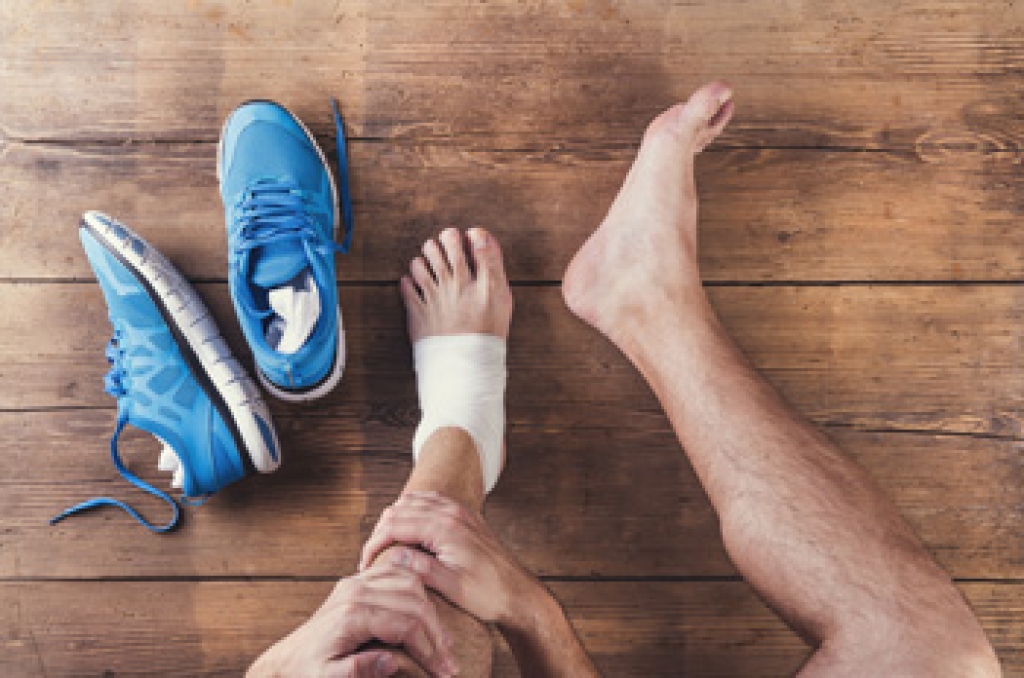
 Athletes can be at an increased risk for sustaining injuries to their feet and ankles. Many football players sustain an injury called turf toe, in which the plantar ligament and metatarsophalangeal joint of the toe are disrupted. This can cause joint instability, pain, swelling, bruising, and difficulty bearing weight and pushing off of the toe. Ankle sprains are extremely common among athletes and typically occur when the athlete “rolls” the ankle. This is caused by an overstretching or tearing of the ligaments that hold the ankle bones together. Ankle sprains vary in severity from mild to severe and can cause pain, swelling, and reduced range of motion in the affected ankle. Stress fractures are another common athletic injury, especially in runners. These occur when a small crack develops in a bone due to overuse. Symptoms often include pain, swelling, and aching at the site of injury. Left untreated, the stress fracture can progress to a full fracture or heal slowly. If you have sustained a foot or ankle injury while playing a sport, a chiropodist can help treat your injury and get you back on your feet.
Injuries to the foot and ankle are very common among athletes. If you have experienced an injury, please consult with one of our chiropodists from West Toronto Foot & Ankle Clinic Inc. . Our chiropodist will assess your condition and provide you with quality foot and ankle treatment.
Common Injuries Among Athletes:
- Achilles tendon injuries
- Ankle strains or sprains
- Plantar fasciitis
- Fractures
- Turf toe
- Joint dislocations
- Sever’s disease
- Morton’s neuroma
Symptoms
Symptoms will depend on the cause and severity of the injury. Common symptoms for a foot or ankle injury include pain, swelling, tenderness, bruising, a reduced range of motion, and difficulty bearing weight or walking on the affected foot or ankle.
Diagnosis
Sports injuries are typically diagnosed after carefully examining the affected foot or ankle. This includes moving the injured area to test its range of motion. Medical history will need to be provided, as well as detailed information about how the injury occurred. Imaging studies, such as X-rays or MRIs, may be used to confirm or rule out certain diagnoses.
Treatment
Just like symptoms, treatment will depend on the type of injury and its severity. Initial treatment for many sports injuries is aimed at controlling inflammation and promoting the healing response. The acronym R.I.C.E is a helpful guide to implement for most acute injuries. This method involves resting, icing, compressing, and elevating the affected foot or ankle. In addition, anti-inflammatory medications may be administered and orthotic devices may be prescribed. For more severe injuries, surgery may be required. Lastly, rehabilitation or physical therapy may be needed to gain full functionality in the afflicted area.
If you have any questions please feel free to contact our office located in Toronto, ON .
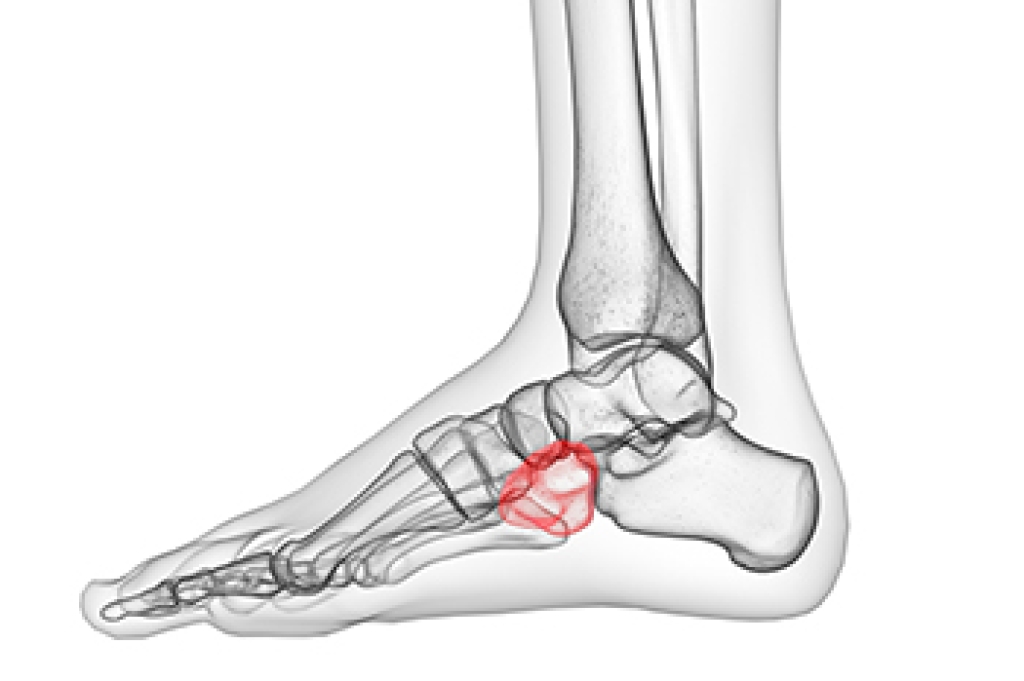 Cuboid syndrome
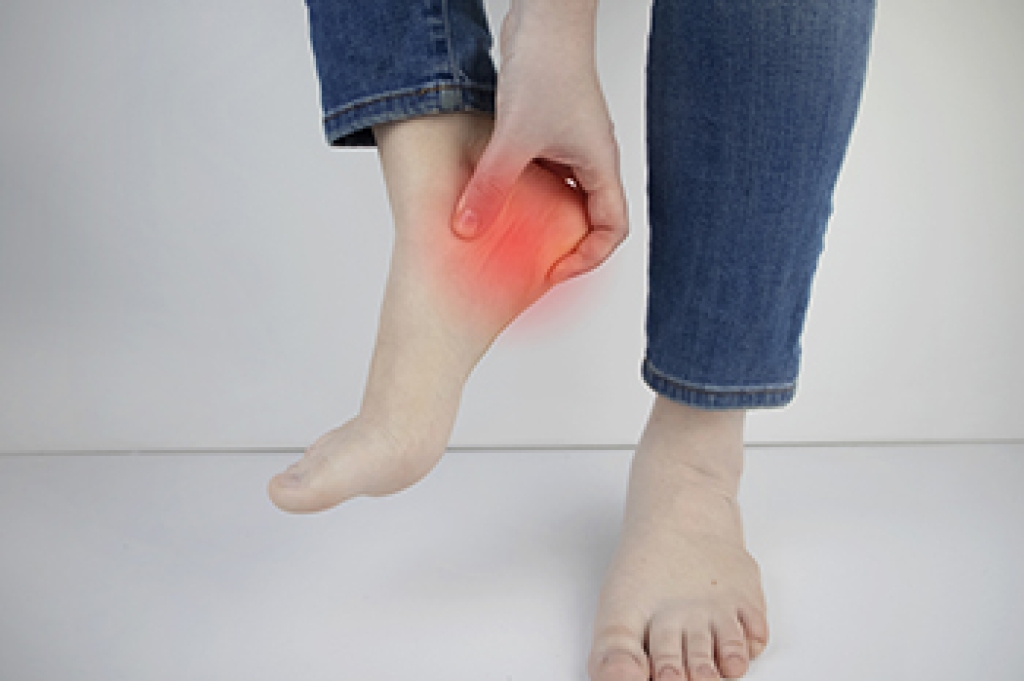 Plantar fasciitis