Cuboid Syndrome and Running

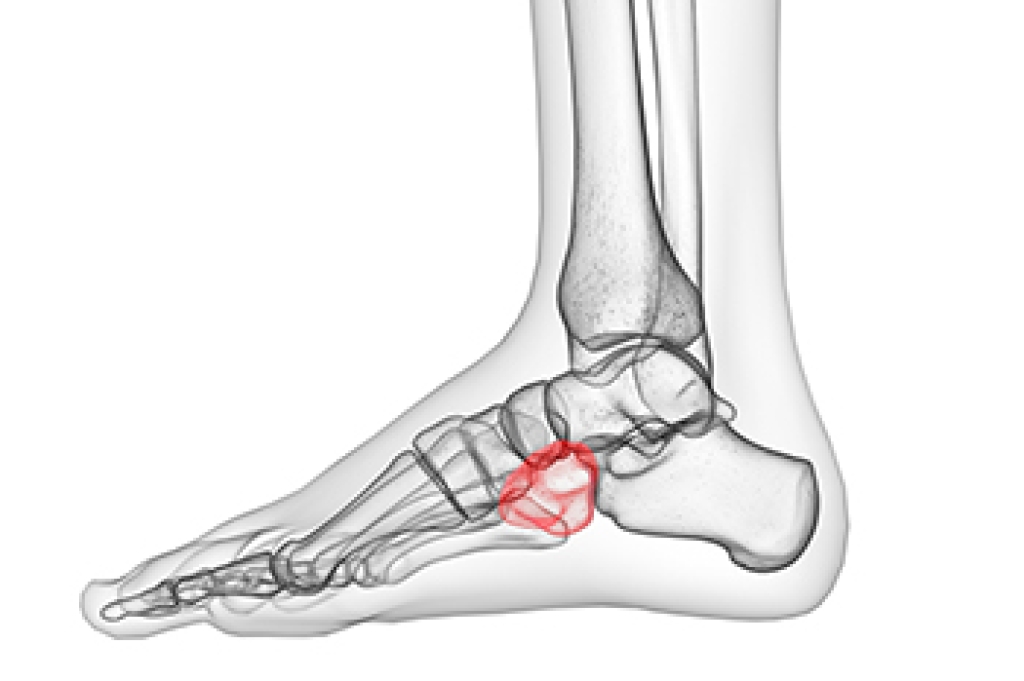
Cuboid syndrome is a condition in which the cuboid bone, located near the center of the foot, becomes displaced. If you’re a runner, this is a problem that you should watch out for. Your feet absorb shock up to two and a half times your body weight when you run. When all of the foot bones are properly aligned, your feet can absorb the shock without much discomfort. However, when the cuboid bone is displaced the feet can’t absorb shock as efficiently leading to foot pain, swelling, reduced range of motion, and difficulty bearing weight on the affected foot. Cuboid syndrome may occur in conjunction with an ankle sprain, or it can be caused by poor foot biomechanics or injury. If you are experiencing any foot pain please seek the care of a podiatrist.

Cuboid syndrome, also known as cuboid subluxation, occurs when the joints and ligaments near the cuboid bone in the foot become torn. If you have cuboid syndrome, consult with one of our chiropodists from West Toronto Foot & Ankle Clinic Inc. . Our chiropodist will assess your condition and provide you with quality foot and ankle treatment.

Cuboid syndrome is a common cause of lateral foot pain, which is pain on the outside of the foot. The condition may happen suddenly due to an ankle sprain, or it may develop slowly overtime from repetitive tension through the bone and surrounding structures.

Causes

The most common causes of cuboid syndrome include:

  • Injury – The most common cause of this ailment is an ankle sprain.
  • Repetitive Strain – Tension placed through the peroneus longus muscle from repetitive activities such as jumping and running may cause excessive traction on the bone causing it to sublux.
  • Altered Foot Biomechanics – Most people suffering from cuboid subluxation have flat feet.

Symptoms

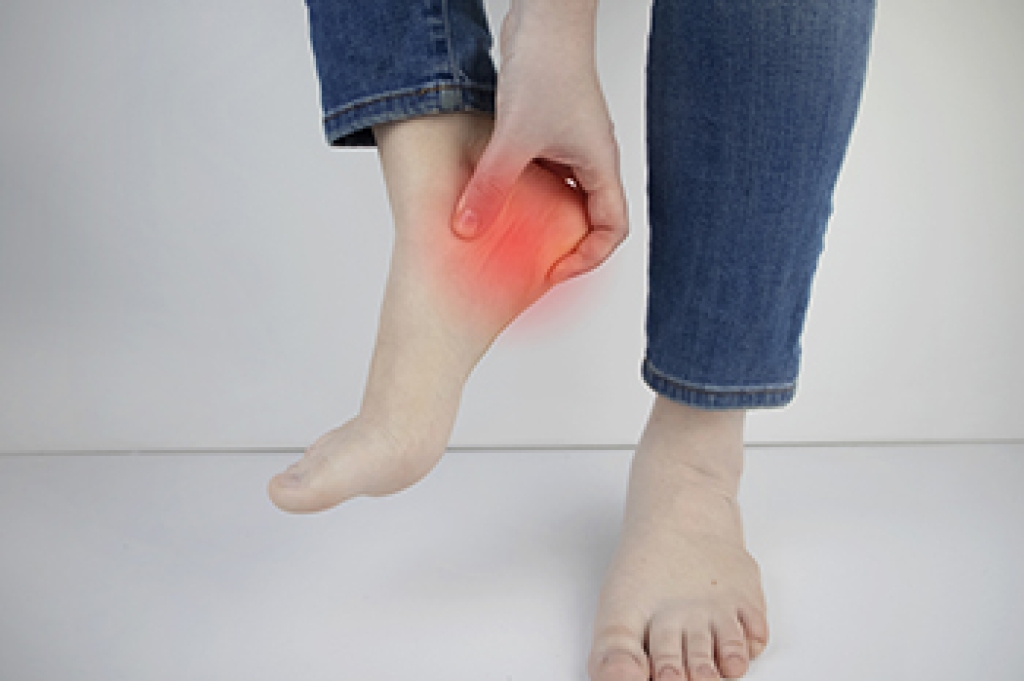
A common symptom of cuboid syndrome is pain along the outside of the foot which can be felt in the ankle and toes. This pain may create walking difficulties and may cause those with the condition to walk with a limp.

Diagnosis

Diagnosis of cuboid syndrome is often difficult, and it is often misdiagnosed. X-rays, MRIs and CT scans often fail to properly show the cuboid subluxation. Although there isn’t a specific test used to diagnose cuboid syndrome, your podiatrist will usually check if pain is felt while pressing firmly on the cuboid bone of your foot.

Treatment

Just as the range of causes varies widely, so do treatments. Some more common treatments are ice therapy, rest, exercise, taping, and orthotics.

If you have any questions, please feel free to contact our office located in Toronto, ON . We offer the newest diagnostic and treatment technologies for all your foot care needs.

Read more about Cuboid Syndrome

Are You Suffering From Nerve Damage?

Neuropathy is a condition that can lead to numbness or loss of sensation in the feet, but it can also cause pain. This condition is more likely to develop for those who are diabetic, obese, or with high blood pressure.

Treating the Causes of Plantar Fasciitis

Plantar fasciitis is a common injury in which the plantar fascia, a ligament that runs along the bottom of the foot and connects the heel bone to the toes, becomes overstretched and inflamed. When it comes to treating this condition, the first step is to determine what has caused the plantar fascia to overstretch. Sometimes this is caused by overpronation, a walking pattern common in people with flat feet in which the foot rolls too far inwards. It may also be caused by unusually high arches in the midfoot. These issues can both be corrected using orthotics. When plantar fasciitis is caused by overuse from playing sports, running, or frequently doing exercises that put stress on the feet, taking time to rest and recover, ensuring that you are wearing the appropriate shoes, and losing excess weight can all potentially help relieve symptoms. If you are suffering from heel or arch pain, it is suggested that you seek the care of a podiatrist.

Plantar fasciitis can be very painful and inconvenient. If you are experiencing heel pain or symptoms of plantar fasciitis, contact one of our chiropodists  from West Toronto Foot & Ankle Clinic Inc. . Our chiropodist can provide the care you need to keep you pain-free and on your feet.

What Is Plantar Fasciitis?

Plantar fasciitis is the inflammation of the thick band of tissue that runs along the bottom of your foot, known as the plantar fascia, and causes mild to severe heel pain.

What Causes Plantar Fasciitis?

  • Excessive running
  • Non-supportive shoes
  • Overpronation
  • Repeated stretching and tearing of the plantar fascia

How Can It Be Treated?

  • Conservative measures – anti-inflammatories, ice packs, stretching exercises, physical therapy, orthotic devices
  • Shockwave therapy – sound waves are sent to the affected area to facilitate healing and are usually used for chronic cases of plantar fasciitis
  • Surgery – usually only used as a last resort when all else fails. The plantar fascia can be surgically detached from the heel

While very treatable, plantar fasciitis is definitely not something that should be ignored. Especially in severe cases, speaking to your doctor right away is highly recommended to avoid complications and severe heel pain. Your podiatrist can work with you to provide the appropriate treatment options tailored to your condition.

If you have any questions, please feel free to contact our office located in Toronto, ON . We offer the newest diagnostic and treatment technologies for all your foot care needs.

Read more about Plantar Fasciitis

What Is Foot Drop?

Foot drop is often caused by a compression of the nerve that controls the muscles that lift the foot. When this occurs the front part of the foot and toes are difficult to lift or move due to muscular weakness or paralysis. Foot drop may also cause the foot to drag on the ground while walking. This is usually a sign of an underlying problem such as muscular damage, nerve damage like neuropathy, or a brain or spinal injury. While foot drop usually only affects one foot, it can affect both feet depending on the cause. It is most commonly temporary, but in severe cases it may be permanent. People who are finding it difficult to lift the front part of their foot off the ground should consult with a podiatrist who can help diagnose the underlying condition. A podiatrist will also be able to prescribe custom made orthotics or shoe inserts as well as other treatment options depending on the severity.

When dealing with systemic disease of the feet, it is extremely important to check the affected areas routinely so that any additional problems are caught quickly.  If you have any concerns about your feet and ankles contact one of our chiropodists from West Toronto Foot & Ankle Clinic Inc. . Our chiropodist will assist you with all of your podiatric needs.

Systemic Diseases of the Feet

Systemic diseases affect the whole body, and symptoms usually are displayed in the feet. This condition can make a patient’s ability to walk unbearable.  Systemic diseases include gout, diabetes mellitus, neurological disorders, and arthritis.

Gout – is caused by an excess of uric acid in the body. Common symptoms include pain, inflammation, and redness at the metatarsal/phalangeal joint of the base big toe. Gout can be treated by NSAIDs to relieve pain and inflammation, and other drugs that lower the acid levels in the body.

Diabetes mellitus – is an increase in the level of blood sugar that the body cannot counteract with its own insulin. Failure to produce enough insulin is a factor in Diabetes.

Diabetes of the Feet

Diabetic Neuropathy – may lead to damaged nerves and affect the feet through numbness and loss of sensation.

Peripheral Vascular Disease – can restrict the blood flow to the feet, and often times lead to amputation of the feet. 

If you have any questions please contact our office located in Toronto, ON . We offer the newest diagnostic and treatment technologies for all your foot and ankle needs.

Read more about Systemic Diseases of the Foot

Connect With Us