Proper Running Shoes Help Protect Your Feet

Proper running shoes support the feet, absorb impact, and help reduce strain while running. The right pair depends on foot shape, running pattern, and usual distance. The type of running surface is another important factor in selecting shoes. A chiropodist can examine the arches and study how the feet move. This assessment can identify overpronation, which means the foot rolls too far inward, or underpronation, which means it rolls outward. A chiropodist can recommend shoes with suitable cushioning, stability, and heel support. The shoes should also provide enough room for the toes without allowing the heel to slip. Proper sizing is important, because wearing shoes that are too tight can cause blisters and nail problems. Shoes that are too loose can reduce control, increase risk of injury, and create friction.. If you have foot pain from wearing improper running shoes, it is suggested that you schedule an appointment with a chiropodist for a diagnosis and appropriate treatment.

The right running shoes can sometimes be difficult to find. With so many options on the market, it’s important to know the unique needs of your feet prior to buying running shoes. If you require assistance, please consult with one of our chiropodists from West Toronto Foot & Ankle Clinic Inc. . Our chiropodist can help you maintain the health of your lower limbs and your mobility. 

When looking for running shoes, take into consideration:

  • The type of running you will be doing
  • The terrain you plan to run on
  • Your gait or running pattern
  • Your arch type
  • Other unique foot needs

A chiropodist can help by examining your feet and your gait to determine what types of shoes may be best for you. Some runners may require motion control shoes, which prevent your foot from rolling too far inward while you run. Others may need stability shoes, which offer more balance, cushioning, and support. When shopping for shoes, make sure that they are the right size, fit comfortably, and are made of breathable materials. 

If you have any questions please feel free to contact our office located in Toronto, ON

Read more about Differences Between Walking and Running Shoes

Thick or Discolored Toenails May Be a Fungal Infection

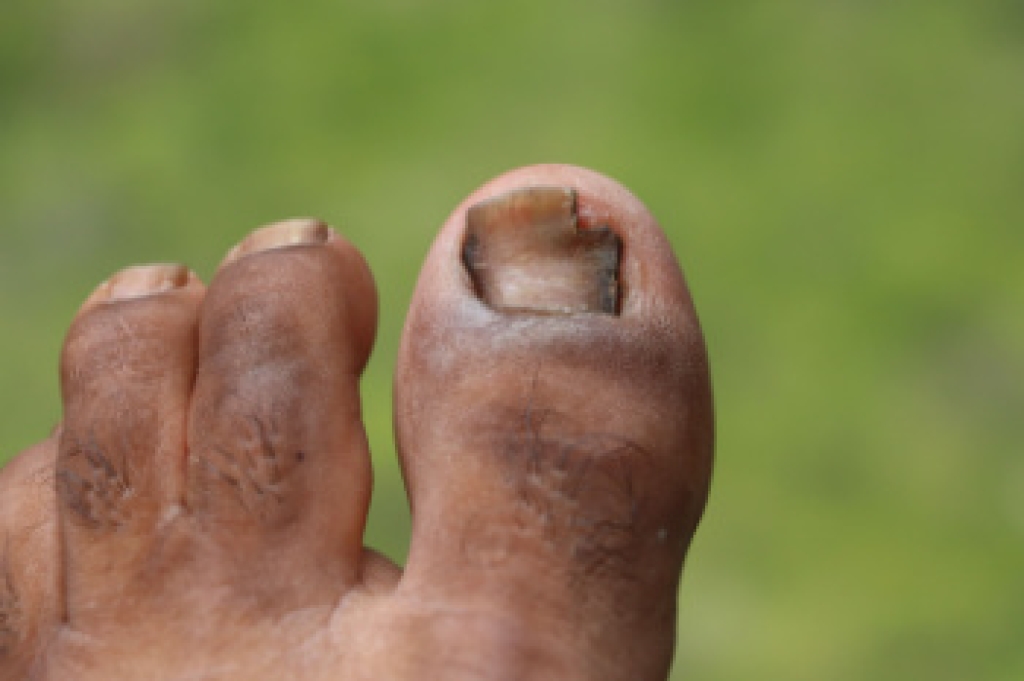
Fungal toenails develop when fungi enter the nail through tiny cracks or damaged areas. The infection usually begins after a fungal skin infection spreads to the nail, such as athlete’s foot. Thick, discolored, or brittle nails are common signs. The nail can also become misshapen, separate from the skin beneath it, or break apart. People with diabetes, poor circulation, or a weakened immune system face a greater risk. A chiropodist carefully examines the affected nail to confirm the cause because other nail problems can look similar. Treatment includes reducing thickened nails to improve comfort and appearance. It also includes professional care to manage the infection and regular monitoring of nail health. Early treatment helps limit further nail damage and reduces the chance of the infection spreading to other nails. If you have symptoms of toenail fungus, it is suggested that you schedule an appointment with a chiropodist for diagnosis and appropriate treatment.

Toenail fungus can be uncomfortable and unsightly. If you have diabetes or a compromised immune system, it may also be dangerous. To learn more about treatment options, please consult with one of our chiropodists from West Toronto Foot & Ankle Clinic Inc. . Our chiropodist will assess your condition and provide you with quality foot and ankle treatment. 

What Does Toenail Fungus Look Like? 

A fungal infection of the toenail may cause the affected nail to become thickened, brittle, crumbly, and yellowish or brown in color. Sometimes the toenail may separate from the nail bed, become deformed, emit a foul odor, or cause pain or discomfort. 

What Causes Toenail Fungus? 

Toenail fungus is caused by a fungus that infects the nail bed. The fungus lives and thrives in warm and moist environments and is also contagious. Athlete’s foot, which is a fungal infection of the skin, may spread to the nails and cause toenail fungus. 

What Treatments Are Available? 

Potential treatments for toenail fungus may include oral antifungal medications, topical antifungal medications, such as medicated nail polishes that are applied directly to the affected nail, and laser therapy. Sometimes, a combination of treatments is prescribed. 

If you have any questions please feel free to contact our office located in Toronto, ON

Read more about Treating Toenail Fungus

Smart Shoe Fitting for Better Movement

Proper shoe fitting is essential for healthy movement and injury prevention in runners. It involves selecting footwear that matches foot shape, size, and activity level. A well-fitted shoe supports the arch, absorbs impact, and allows natural motion. Understanding foot alignment helps improve stability and overall performance. Common symptoms of poor fit include blisters, arch pain, and pressure points. Risk factors include tight shoes, worn footwear, and styles that do not match activity demands. Improper sizing may limit toe movement and reduce circulation, which can affect posture and walking patterns. Correct foot placement supports efficient movement. Keeping the foot parallel to the ground allows even weight distribution. A midfoot landing helps reduce stress on the heel and forefoot, while foot bones work together to absorb shock and provide stability. The mind and body connection improves coordination and agility. If you have foot pain from running, it is suggested that you consult a chiropodist for an accurate diagnosis and appropriate treatment.

Finding the right shoes can be a hassle, however, wearing properly fitted shoes is one of the best things that you can do to prevent future foot problems. For more information about the importance of wearing the right shoe size, please consult with one of our chiropodists from West Toronto Foot & Ankle Clinic Inc. . Our chiropodist can help you maintain the health of your lower limbs and your mobility.

Tips for finding shoes that fit

  • Measure your foot - This should be done later in the day when your feet are naturally at their largest. An associate at a shoe store can measure your foot using a Brannock device.
  • Wear the right socks - You should be wearing the socks or other hosiery that you intend to wear with the kind of shoe you are looking for. For example, if you are shopping for running shoes, wear the socks that you would normally wear while running.
  • Remember these numbers - When trying on shoes, there should be about ½ an inch of space between the end of your longest toe and the end of the front of the shoe, and ⅛ of an inch between the back of your heel and the shoe
  • Don’t “break them in” - Any shoes you buy should be immediately comfortable; don’t settle for shoes that you have to “break in" before you can wear them out. 

A chiropodist can help you find the best shoes and orthotics to help maintain the health of your feet. If you have any questions please feel free to contact our office located in Toronto, ON

Read more about Getting the Right Shoe Size

Are You Suffering From Nerve Damage?

Neuropathy is a condition that can lead to numbness or loss of sensation in the feet, but it can also cause pain. This condition is more likely to develop for those who are diabetic, obese, or with high blood pressure.

Connect With Us