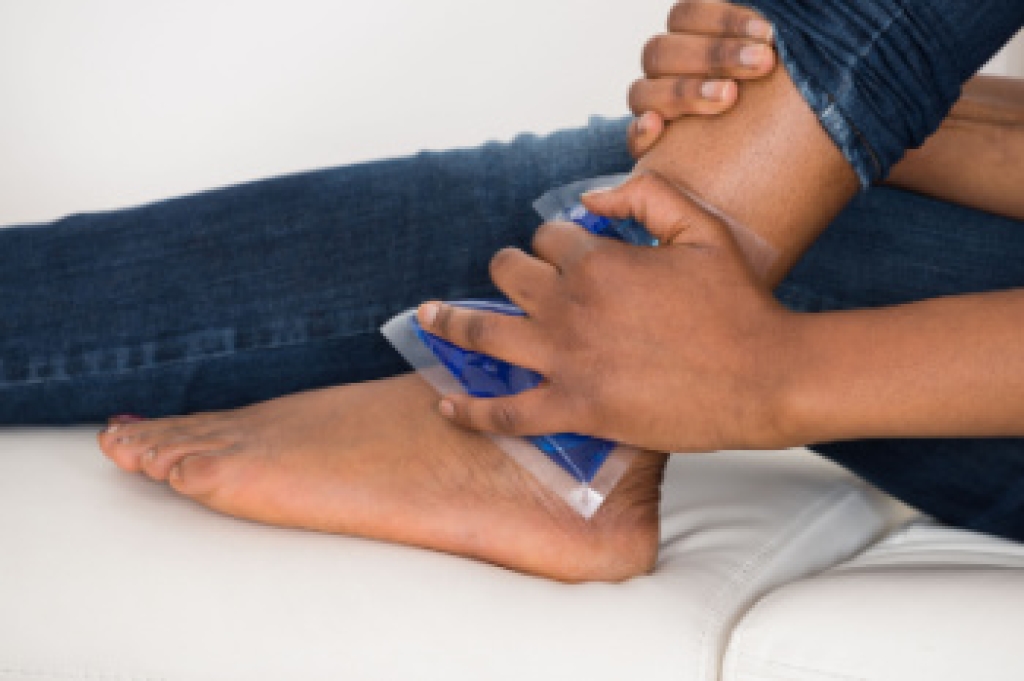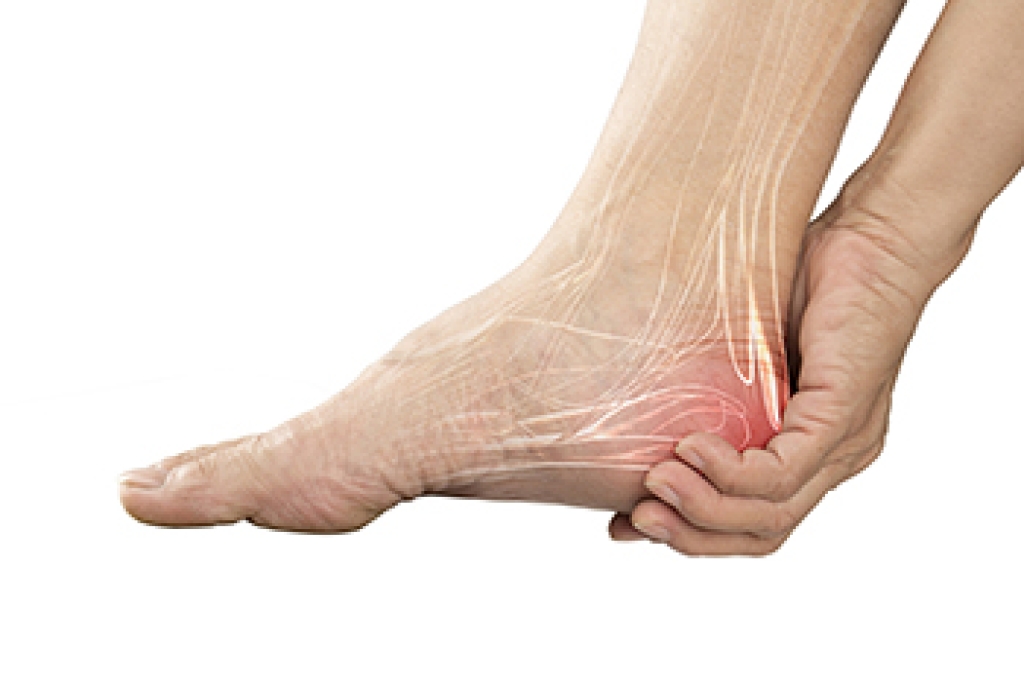
Heel pain can make standing, working, and walking difficult. It can develop beneath the heel, behind it, or along its sides. Plantar fasciitis is a frequent cause. It affects the thick band of tissue that supports the arch and connects the heel to the toes. Pain from this condition is strongest with the first steps after resting. Other causes include heel-pad irritation, arthritis, and a stress fracture. Achilles tendon problems can produce pain at the back of the heel. Symptoms can range from a dull ache to a sharp pain. Swelling, stiffness, or tenderness can also occur.
Several factors can place strain on the heel. These include long periods of standing, a sudden increase in activity, and shoes that lack proper support. Hard work surfaces can also add pressure. People with flat feet or high arches can have uneven force across the heel. Tight calf muscles can affect foot movement and pull on tissues near the heel. Excess body weight can increase the load placed on the feet. Because heel pain has many causes, an accurate diagnosis from a chiropodist is important. Continuing activity despite worsening pain can make daily movement more difficult.
A chiropodist can ask when the pain began and examine the painful area. The assessment can include checking foot shape, joint movement, and walking patterns. The chiropodist can determine which structures are affected and explain the cause. Treatment can include custom orthotics to improve support and redistribute pressure. Padding or heel lifts can protect sensitive areas and reduce strain. A chiropodist can also recommend shoes with the right fit, cushioning, and support, depending on the cause. Regular follow-up visits allow the chiropodist to review progress and adjust the treatment plan as needed. If you have heel pain, it is suggested that you schedule an appointment with a chiropodist for a diagnosis and appropriate treatment.
Heel pain is a common problem that can be caused by a variety of injuries, medical conditions, and other factors. If you suffer from heel pain, please consult with one of our chiropodists from West Toronto Foot & Ankle Clinic Inc. . Our chiropodist can help you maintain the health of your lower limbs and your mobility.
When it comes to heel pain, the exact location and type of pain are important to note. Some of the conditions that may cause heel pain include:
- Plantar fasciitis - An inflammation of the ligament that runs along the bottom of the foot; it causes a stabbing pain under the heel that is at its worst when taking your first few steps after a long rest and while standing on your tiptoes or climbing stairs
- Achilles tendonitis - An inflammation of the tendon in the back of the calf; it causes pain in the back of the heel that is at its worst after resting, as well as ankle and calf stiffness, swelling, and tenderness
- Bone spurs - Bony lumps on the back of the heel bones that cause sharp pain upon first standing up; the pain becomes dull and achy over time
- Heel fractures - A break or crack in the heel bone that causes pain, swelling, and difficulty walking
- Retrocalcaneal bursitis - Swelling of the small, fluid-filled sac at the back of the heel bone; it causes pain, swelling, redness, and warmth in the back of the heel
- Tarsal tunnel syndrome - Compression of the posterior tibial nerve which causes a pins and needles sensation in the heel, foot, and calf
Your chiropodist will be able to diagnose the underlying cause of your pain and prescribe the right treatments for you. If you have any questions please feel free to contact our office located in Toronto, ON .