Foot Strength Exercises for Runners

Foot strength exercises are an effective way to help runners prevent injury and improve their overall performance. A good routine focuses on the big toe, arches, tibialis anterior, and hips. So-called toe yoga, which involves flexing and extending the big toe, helps reduce over-gripping by the smaller toes and improves foot stability. Strengthening the arches of the foot through seated and standing arch lifts, also called doming, enhances support and balance. The tibialis anterior, which assists in lifting the foot, can be trained with resistance band exercises, improving ankle mobility and reducing the risk of injuries. Hip strength is equally important as strong glutes and core muscles help stabilize the feet by supporting rotational movements in the legs. Finally, incorporating hopping, jumping, and agility drills prepares the feet for the repetitive impact of running. These foot strength exercises also reduce the risk of shin splints and plantar fasciitis. If you experience foot pain after running, it is suggested that you make an appointment with a chiropodist for help.

Although running is a wonderful exercise to keep you in shape, it can wreak havoc on your feet and ankles if you don’t take preventive measures. If you have sustained a foot and ankle injury from running, please consult with one of our chiropodists from West Toronto Foot & Ankle Clinic Inc. . Our chiropodist can help you maintain the health of your lower limbs and your mobility. 

Some common running injuries include:

  • Achilles tendonitis
  • Shin splints
  • Ankle sprains
  • Stress fractures
  • Plantar fasciitis
  • Bursitis 

What causes injuries? 

These injuries are usually caused by overtraining, wearing the wrong shoes, running on hard surfaces, having tight and inflexible muscles, or having biomechanical issues in the feet or ankles. 

What can I do to prevent injuries? 

  • Train slowly and gradually
  • Give yourself plenty of time to recover following a run
  • Wear shoes that fit properly and support your foot
  • Avoid running on hard surfaces, like concrete
  • Stretch and strengthen the muscles of your lower legs
  • Warm-up prior to a run
  • Have your gait analyzed and your feet examined by a chiropodist to determine if there are any biomechanical problems that need to be treated 

If you have any questions please feel free to contact our office located in Toronto, ON

Read more about Preventing Running Injuries

The Causes Behind Adult Flat Feet

Adult flat feet, also known as fallen arches, develop when the arches of the feet collapse, leading to the entire sole making contact with the ground. Several factors contribute to this condition. One primary cause is weakened or stretched tendons that support the arch, often due to aging or repetitive stress on the feet. Additionally, injuries such as sprains or fractures can alter the structure of the foot and result in flat feet. Certain medical conditions like rheumatoid arthritis or diabetes can also weaken the supportive tissues in the feet, leading to the development of fallen arches. Genetics play a role as well, and many include hereditary conditions such as Ehlers-Danlos syndrome and Marfan syndrome. Obesity is another contributing factor, as excess weight puts additional strain on the feet and can lead to arch collapse over time. If you have flat feet that are causing discomfort, it is suggested that you consult a chiropodist who can offer you effective relief options.

Flat feet are a common foot condition. If you are experiencing pain or discomfort due to flat feet, please consult with one of our chiropodists from West Toronto Foot & Ankle Clinic Inc. . Our chiropodist will assess your condition and provide you with quality foot and ankle treatment. 

What Are Flat Feet? 

Flat feet are feet that do not have a well-defined arch in the middle of the sole of the foot. Flat feet may be flexible or rigid. Flexible flat feet have an arch when there is no pressure put on the foot, such as when one is sitting, but the arch disappears upon standing. Rigid flat feet lack an arch regardless of whether one is standing or not. 

Causes

Flat feet can be present from birth or acquired over time due to a weakening of the ligaments in the arch. Sometimes flat feet are caused by illnesses, injuries, or pregnancy. 

Symptoms

Flat feet often cause no noticeable symptoms. However, some people may experience pain and discomfort due to their flat feet. 

Symptoms associated with flat feet include:

  • Pain in the arch, heel, ankle, or along the outside of the foot
  • Overpronation of the foot
  • Shin splints
  • Aching or fatigue in the feet or legs
  • Pain in the knees, hips, or lower back

Treatment 

In cases where flat feet cause symptoms, there are various treatments available. Wearing orthotic inserts in your shoes to provide more arch support, performing stretches, and taking medications may improve your symptoms. If you are overweight, losing weight can help relieve pressure on the feet. In severe cases, surgery may be considered. 

If you have any questions please feel free to contact our office located in Toronto, ON

Read more about Flat Feet

Causes of Sesamoiditis

Sesamoiditis, a common cause of big toe pain, affects the two semilunar-shaped sesamoid bones nestled within the tendon in the sole, aiding foot movement. Trauma or positional changes of these bones due to foot structural alterations, such as lateral displacement of the great toe, can trigger pain. Dancers, joggers, and individuals with high-arched feet or who wear high heels are particularly susceptible, with tibial sesamoiditis often observed in those with bunions. Symptoms include pain beneath the first metatarsal head, exacerbated by walking and certain shoe types. Diagnosis involves clinical evaluation, possibly joint aspiration to rule out gout or infectious arthritis, and imaging if fractures or osteoarthritis are suspected. Treatment ranges from offloading pads and orthotics to pain medications and corticosteroid injections, with surgery considered in chronic cases. If you have pain in your big toe that is persistent or worsening, it is suggested that you schedule an appointment with a chiropodist for a proper diagnosis and treatment.

Sesamoiditis can be painful and prevent you from participating in certain activities. To learn more about this condition, please consult with one of our chiropodists from West Toronto Foot & Ankle Clinic Inc. . Our chiropodist will assess your condition and provide you with quality foot and ankle treatment. 

What Is Sesamoiditis? 

Sesamoiditis refers to an injury of the sesamoids (two small, pea-shaped bones located beneath the big toe joint) or the tendons and/or surrounding tissue in the joint.

Causes

Sesamoiditis is typically the result of an overuse injury caused by activities that put repetitive pressure on the sesamoid bones and the tendons involved with those bones. These activities can include basketball, football, running, ballet, and tennis. People who have high foot arches and those who frequently wear high-heeled shoes are also at an increased risk of developing sesamoiditis. 

Symptoms

Common symptoms of sesamoiditis include: 

  • Dull, longstanding pain under the big toe joint
  • Swelling
  • Bruising
  • Difficulty straightening or bending the big toe
  • Pain during movement

Diagnosis

Sesamoiditis can be diagnosed by physical examination and X-rays. Sometimes other imaging studies, such as a bone scan, MRI, or ultrasound may be needed if damage to the area surrounding the sesamoid bones is suspected. 

Treatment

Treatment options include conservative measures, such as padding, strapping, taping or immobilizing the affected foot, taking oral medications or getting steroid injections to reduce pain and swelling, and wearing orthotic devices. Surgical treatment may be necessary if conservative measures are not effective. 

If you have any questions please feel free to contact our office located in Toronto, ON

Read more about Sesamoiditis

Causes of Shooting Pain in the Foot

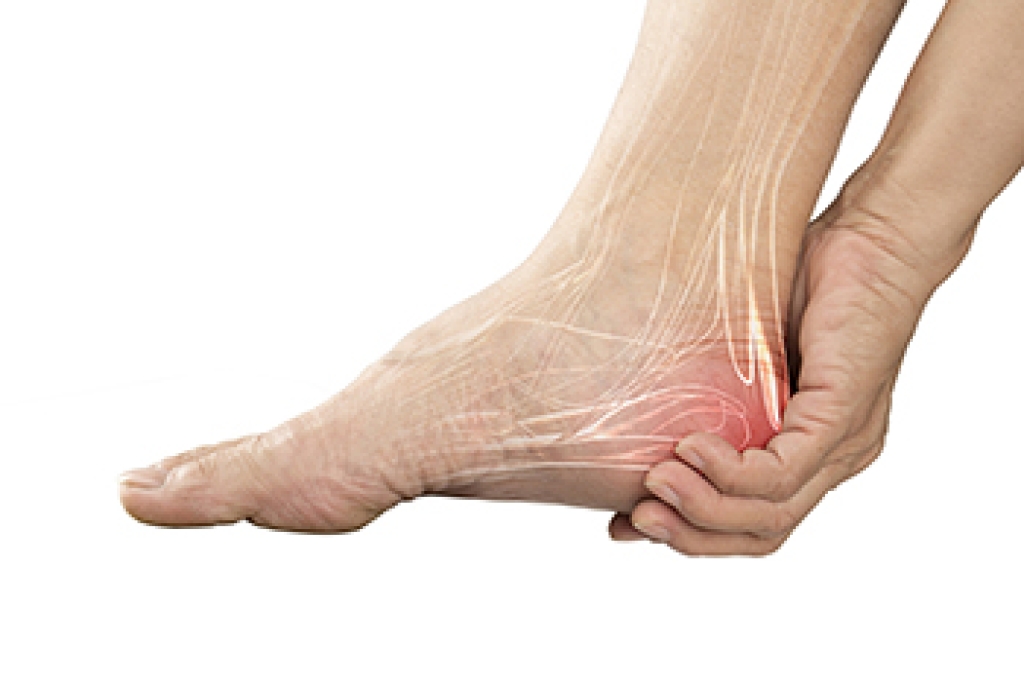
Shooting pain in the foot can be a distressing experience, significantly affecting your daily life. One common source of shooting foot pain is nerve compression. Conditions such as Morton's neuroma or nerve entrapment can lead to discomfort as nerves become pinched or compressed. Another prevalent cause is plantar fasciitis, which affects the thick band of tissue running along the bottom of the foot. The sharp pain often strikes during those first steps in the morning. Injuries, whether from trauma or overuse, can also result in shooting pain. Stress fractures, tendonitis, and sprains are typical culprits in this regard. Neuropathy, particularly diabetic neuropathy, or other nerve disorders can cause shooting pain as the nerves sustain damage. Treatment options may include rest, exercises, orthotics and medication. To address shooting foot pain, it's suggested that you consult a chiropodist for an evaluation and a proper diagnosis. 

Foot pain can have many causes. To receive an accurate diagnosis and treatment for your foot pain, please consult with one of our chiropodists from West Toronto Foot & Ankle Clinic Inc. . Our chiropodist will assess your condition and provide you with quality foot and ankle treatment. 

Causes

There are a variety of different conditions that can cause foot pain, including: 

  • Plantar fasciitis
  • Deformities, such as bunions or hammertoes
  • Injuries to the muscles, bones, tendons, or ligaments in the feet
  • Arthritis
  • Flat feet
  • Ingrown toenails

Symptoms

The type and location of your foot pain can help determine what may be causing it and what type of treatment options are best for you. 

Common types of foot pain include: 

  • Heel pain
  • Arch pain
  • Toe pain
  • Ball of foot pain
  • Pain that has a stabbing, burning, or tingling quality
  • Pain that is constant, intermittent, or that gets better or worse depending on the situation 

Diagnosis

A thorough medical history and physical examination of your feet will be required to determine a diagnosis. Imaging studies, such as X-rays or MRIs may be performed to rule out or confirm certain diagnoses. 

Treatment

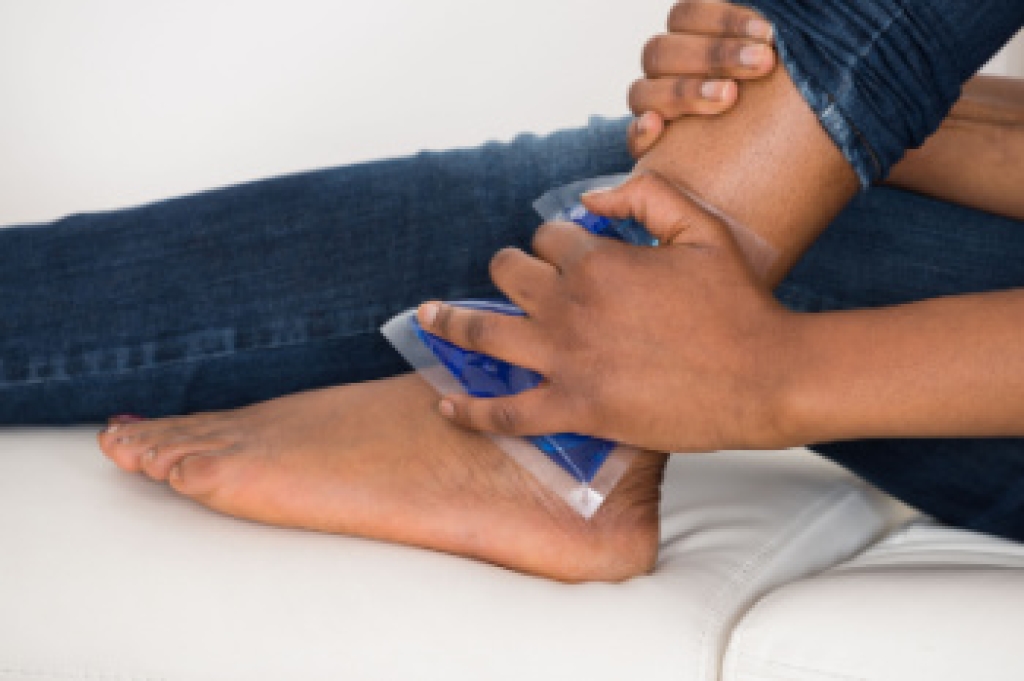
Treatment will depend on the cause of the pain. Common treatments for foot pain include resting, icing, compressing, and elevating the affected foot, wearing orthotics, or taking anti-inflammatory medications. 

If you have any questions please feel free to contact our office located in Toronto, ON

Read more about Foot Pain

Reminder: When Was the Last Time...?

Custom orthotics, or shoe inserts, should be periodically replaced. Orthotics must fit properly to give you the best results. Protect your feet and ankles!

Connect With Us