Manging Plantar Fasciitis

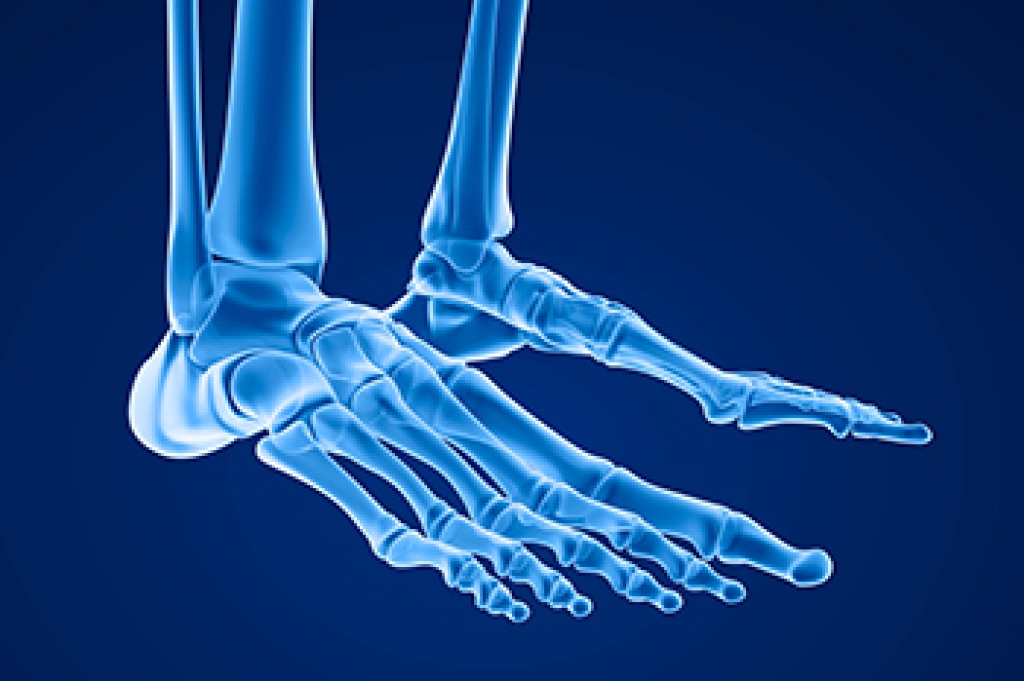
Plantar fasciitis, a common cause of heel pain, arises from inflammation of the plantar fascia. It affects the dense band of tissue that stretches from the heel bone to the ball of the foot. Plantar fasciitis often results from overuse, poor foot mechanics, or wearing unsupportive footwear. It is particularly prevalent among runners, dancers, and people with high or low foot arches. Symptoms include intense heel pain, especially when first standing in the morning or after prolonged periods of rest. Managing plantar fasciitis involves a combination of self-care and professional treatment from a chiropodist. Performing stretching exercises for the Achilles tendon and plantar fascia can help to relieve tension. Using custom orthotic devices that cushion and support the heel can provide significant pain relief. Changing to more supportive footwear and avoiding high-impact activities also play a vital role in recovery. If you are experiencing persistent heel pain, it is suggested that you visit a chiropodist for an exam and personalized treatment plan.

Plantar fasciitis can be painful and interfere with your daily activities. If you are experiencing foot or heel pain and believe you may be afflicted with plantar fasciitis, please consult with one of our chiropodists from West Toronto Foot & Ankle Clinic Inc. . Our chiropodist will assess your condition and provide you with quality foot and ankle treatment. 

What Is Plantar Fasciitis?

Plantar fasciitis refers to the inflammation of the plantar fascia, a ligament that runs along the bottom of the foot and connects the heel bone to the toes. Repetitive activities, such as running or jumping, can injure the plantar fascia over time. Plantar fasciitis can also be caused by flat feet, high arches, pregnancy, and activities that put excessive pressure on your feet, like standing all day for work. When the plantar fascia becomes inflamed, it causes pain and discomfort. 

Symptoms

Typical symptoms of plantar fasciitis include:

  • Stabbing pain near the heel
  • Pain that is worst in the morning or after a period of rest
  • Pain that increases after exercising
  • Swelling
  • Tightness in the Achilles tendon

Diagnosis

Plantar fasciitis is typically diagnosed via medical history and physical examination. 

Treatment

Treatments for plantar fasciitis include resting and icing the affected foot, stretching the foot, taking medications to reduce inflammation, and wearing orthotics. In severe cases where pain does not improve with conservative treatments, injections or surgery may be recommended. 

If you have any questions please feel free to contact our office located in Toronto, ON

Read more about Plantar Fasciitis

Caring for Your Child's Feet

Children's foot health is critical for their overall development and mobility. For babies, it is important to keep their feet clean and dry, regularly checking for any signs of redness, swelling, or abnormalities. Allowing babies to kick and move their legs freely without restrictive footwear helps strengthen their muscles and improve circulation. When they start to crawl and walk, it is essential to let them walk barefoot as much as possible to develop balance, coordination, and natural foot arch formation. Once your child begins to walk confidently, usually around 12 to 18 months, you can introduce lightweight, flexible shoes that provide protection without restricting movement. Choose footwear with a wide toe box and adjustable fastenings to accommodate growing feet. Regularly monitor your child's foot development and address any concerns promptly. If you notice any persistent issues, such as uneven walking patterns or discomfort, it is suggested that you consult a chiropodist for professional advice. 

If your child is experiencing foot or ankle pain, please consult with one of our chiropodists from West Toronto Foot & Ankle Clinic Inc. . Our chiropodist will assess your condition and provide you with quality foot and ankle treatment. 

Common Causes of Foot Pain in Children

While children can experience many of the same foot problems as adults do, some foot problems may be more common during childhood. 

Causes of foot pain in children can include:

  • Deformities that are present from birth, such as flat feet or clubfoot
  • Sever’s disease, which is an inflammation of the growth plate in the heel bone
  • Various sports injuries, such as sprains and fractures
  • Ingrown toenails
  • Athlete’s foot
  • Plantar warts

Prevention

It is important to look after the health of children’s feet in order to prevent future problems from arising. Keep your child’s feet clean and dry, trim their toenails regularly, ensure their shoes fit properly, and keep a watchful eye on any symptoms of foot pain, such as limping. If you notice any symptoms or if your child complains of foot pain, a chiropodist can help. 

If you have any questions please feel free to contact our office located in Toronto, ON

Read more about Children’s Foot Health

Gout Pain Can Be Managed

Gout is a painful, inflammatory form of arthritis. Those affected will typically feel an intense stiffness in the joints of their feet, particularly in the big toe. Schedule a visit to learn about how gout can be managed and treated.

Causes and Symptoms of Fungal Toenails

Fungal toenail infections, termed onychomycosis, also known as tinea unguium, affect approximately 10 percent of the adult population. These infections occur when dermatophytes, yeasts, or molds, invade the nail bed through tiny cuts or separations between the nail and skin. Diminished blood circulation, a family history of infections, heavy perspiration, and wearing non-ventilating footwear increase the risk of fungal toenails. Symptoms typically include nails that change color, become thick and brittle, and have crumbling edges, and sometimes emit a foul odor. Infected nails may appear yellowish, dark, dull, and distorted, and severe cases can cause pain and scaling under the nail. Treatment includes oral antifungal medications and topical ointments. While these treatments can manage symptoms, they often require prolonged use and may not completely eradicate the infection. In severe cases, removal of the nail may be necessary. For guidance and appropriate treatment solutions with a fungal toenail infection, it is suggested that you schedule an appointment with a chiropodist.

Toenail fungus can be uncomfortable and unsightly. If you have diabetes or a compromised immune system, it may also be dangerous. To learn more about treatment options, please consult with one of our chiropodists from West Toronto Foot & Ankle Clinic Inc. . Our chiropodist will assess your condition and provide you with quality foot and ankle treatment. 

What Does Toenail Fungus Look Like? 

A fungal infection of the toenail may cause the affected nail to become thickened, brittle, crumbly, and yellowish or brown in color. Sometimes the toenail may separate from the nail bed, become deformed, emit a foul odor, or cause pain or discomfort. 

What Causes Toenail Fungus? 

Toenail fungus is caused by a fungus that infects the nail bed. The fungus lives and thrives in warm and moist environments and is also contagious. Athlete’s foot, which is a fungal infection of the skin, may spread to the nails and cause toenail fungus. 

What Treatments Are Available? 

Potential treatments for toenail fungus may include oral antifungal medications, topical antifungal medications, such as medicated nail polishes that are applied directly to the affected nail, and laser therapy. Sometimes, a combination of treatments is prescribed. 

If you have any questions please feel free to contact our office located in Toronto, ON

Read more about Treating Toenail Fungus

Blood Blisters on the Foot

Blood blisters on the foot, though small in size, can cause significant discomfort and concern. These blisters form when blood vessels near the skin's surface rupture due to friction or trauma, trapping blood beneath the skin's layers. Common causes include wearing ill-fitting shoes, repetitive rubbing or pressure, and sudden impacts or injuries. Blood blisters typically appear as raised, fluid-filled sacs with a red or dark appearance due to the presence of blood. While they may resolve on their own over time, treatment options can alleviate pain and promote healing. It is essential to avoid popping or puncturing the blister, as this can increase the risk of infection. Instead, gently clean the area with mild soap and water, apply a sterile bandage or blister pad to protect the blister, and allow it to heal naturally. With proper care and attention, blood blisters on the foot can heal effectively, restoring comfort and mobility. If the blister is painful or shows signs of infection, it is suggested that you consult a chiropodist for further evaluation and management. 

Blisters can usually be treated at home, however, if you have recurring blisters or experience significant discomfort or pain, please consult with one of our chiropodists from West Toronto Foot & Ankle Clinic Inc. . Our chiropodist will assess your condition and provide you with quality foot and ankle treatment. 

What Is a Blister? 

A blister is a small pocket of fluid in the upper skin layers and is one of the body’s natural responses to injury or pressure. Blisters can also result from burns, fungal or viral skin infections, and the feet are particularly prone due to ill-fitting footwear and friction. Friction on the skin causes the upper layer of skin to separate from the lower layers. The space that this separation creates then becomes filled with a liquid called serum, which protects the lower layers of skin. 

Treatment 

If you notice a blister on your foot, you can cover it with a soft bandage or dressing to protect it. Popping the blister is discouraged. Doing so exposes the raw skin underneath it to bacteria and also raises the risk of infection. If a blister pops naturally, let it drain before covering it with a bandage. Blisters usually heal on their own or with home treatment, however, if your blister is recurring, very painful, or appears infected, it is recommended that you see a chiropodist for treatment. 

Prevention

You can help to prevent blisters by wearing comfortable, well-fitted shoes. Keep your feet dry by wearing moisture-wicking socks and dust your feet with talcum powder if they tend to get sweaty. If you have areas on your feet that are more susceptible to blisters, you might be able to prevent the blister from forming by covering it with a pad. 

If you have any questions please feel free to contact our office located in Toronto, ON

Read more about Blisters

Connect With Us