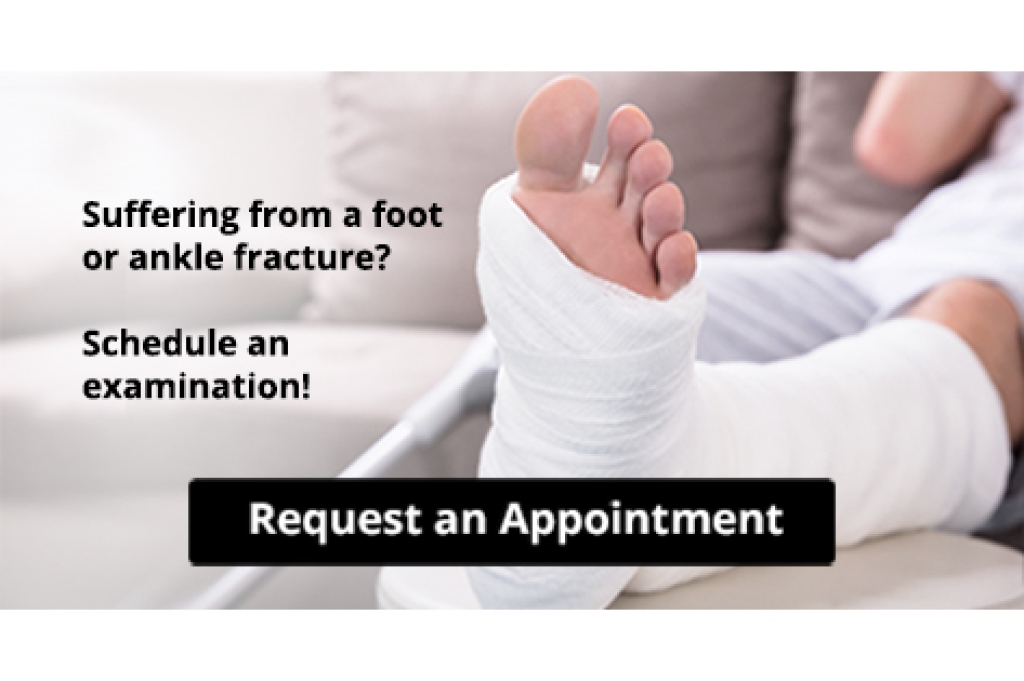
Constant care and regular evaluation are important for a foot or ankle fracture. If left untreated, foot or ankle fractures can worsen over time and create more serious problems.
Don't wait to be examined if you believe you've experienced a foot or ankle fracture.
Toe arthritis, a common but often overlooked ailment, arises from a combination of factors that impact the delicate joints in our toes. The primary cause is the wear and tear of cartilage, the protective cushioning between bones, leading to friction and inflammation. Overuse, joint instability, and genetic predisposition can also contribute to its development. As the cartilage diminishes, the bones in the toes begin to rub against each other, causing pain, stiffness, and swelling. Toe arthritis manifests through subtle signs, such as morning stiffness and a gradual decrease in joint flexibility. The affected toes may appear swollen, and the pain often intensifies during or after movement. Understanding these various symptoms and recognizing the underlying causes are critical steps in managing toe arthritis. If you have pain in your toes, it is suggested that you speak with a chiropodist who can accurately diagnose and treat arthritis in the feet and toes.
Osteoarthritis in the feet or ankles can be a painful and disabling condition that may interfere with your daily activities. If you have arthritis, please consult with one of our chiropodists from West Toronto Foot & Ankle Clinic Inc. . Our chiropodist will assess your condition and provide you with quality foot and ankle treatment.
What Is Osteoarthritis?
Osteoarthritis is a condition in which the protective layer of cartilage in the joints breaks down over time. This loss of cartilage causes the bones to rub together during movement, leading to pain and inflammation. Osteoarthritis is associated with aging, and often affects the small joints of the feet and ankles.
Symptoms
Symptoms of osteoarthritis include:
Joint pain
Joint stiffness
Swelling in or around the joint
Restricted range of motion
Difficulty walking
Diagnosis
Osteoarthritis can be diagnosed through physical examination. You may also need to have an X-ray taken to assess the extent of the damage caused by arthritis.
Treatment
Treatment for osteoarthritis focuses on reducing symptoms and improving the function of the affected joints. Conservative treatments include oral pain medications, orthotic devices, bracing or immobilizing the affected foot or ankle, steroid injections into the affected joint to reduce inflammation, and physical therapy. In more severe cases, surgery may be necessary.
If you have any questions please feel free to contact our office located in Toronto, ON.
Fitting a child for shoes is important for their foot development and overall comfort. A chiropodist can provide invaluable assistance in this process. They can measure the child's feet for both length and width, ensuring a fit that accommodates natural growth and movement. They will suggest shoes with a firm heel counter for support, flexible soles for ease of walking, and enough room to allow toes to move freely. A chiropodist can also identify any unique needs, such as flat feet or high arches, and recommend shoes or custom orthotics accordingly. If you want to fit your child for shoes well, it is suggested that you make an appointment with a chiropodist. By involving this type of health professional, you can ensure the chosen footwear supports healthy foot development and reduces the risk of future foot problems.
Finding the right shoes for you can ensure your comfort and help maintain proper foot health. If you suffer from foot pain and need help finding the right shoes for you, please consult with one of our chiropodists from West Toronto Foot & Ankle Clinic Inc. . Our chiropodist will assess your condition and provide you with quality foot and ankle treatment.
Tips to Find Great Shoes
Finding shoes that are well-fitting, supportive, and comfortable can be key in maintaining your overall foot health, but can sometimes seem like a monumental task.
Here are some tips and tricks to keep in mind when shopping for shoes.
Shop in a brick and mortar store - Your shoe size can change throughout your lifetime. You will be able to try on shoes before you buy them to ensure a proper fit. A salesperson can also provide recommendations on what shoes best serve your specific needs.
Try shoes on at the end of the day - Your feet swell throughout the day. By trying shoes on in the evening when the feet are at their largest, you ensure a good fit and shoes that are comfortable all day.
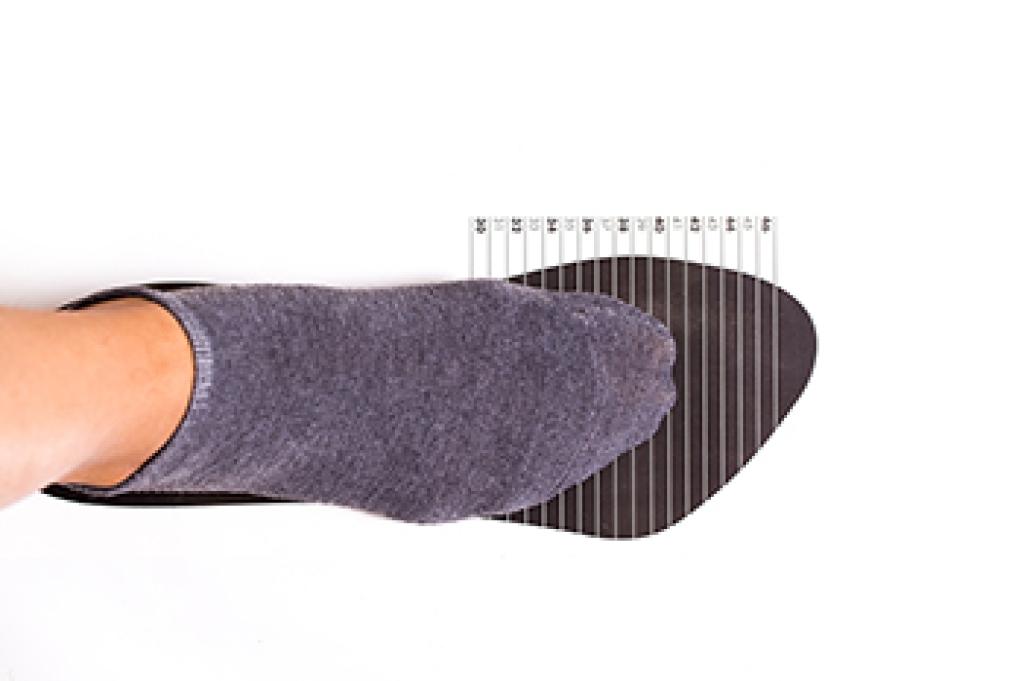
Have your feet measured - Find the right fit by having your feet measured at the shoe store. A salesperson can help by measuring both feet with a Brannock device to determine your true size.
Opt for comfort and support - Some shoes, such as high heels and flip flops, may look great but can cause damage to the feet over time. Look for shoes that have a low heel, adequate arch support, a wide toe box, and are made of breathable materials.
If you have any questions please feel free to contact our office located in Toronto, ON.
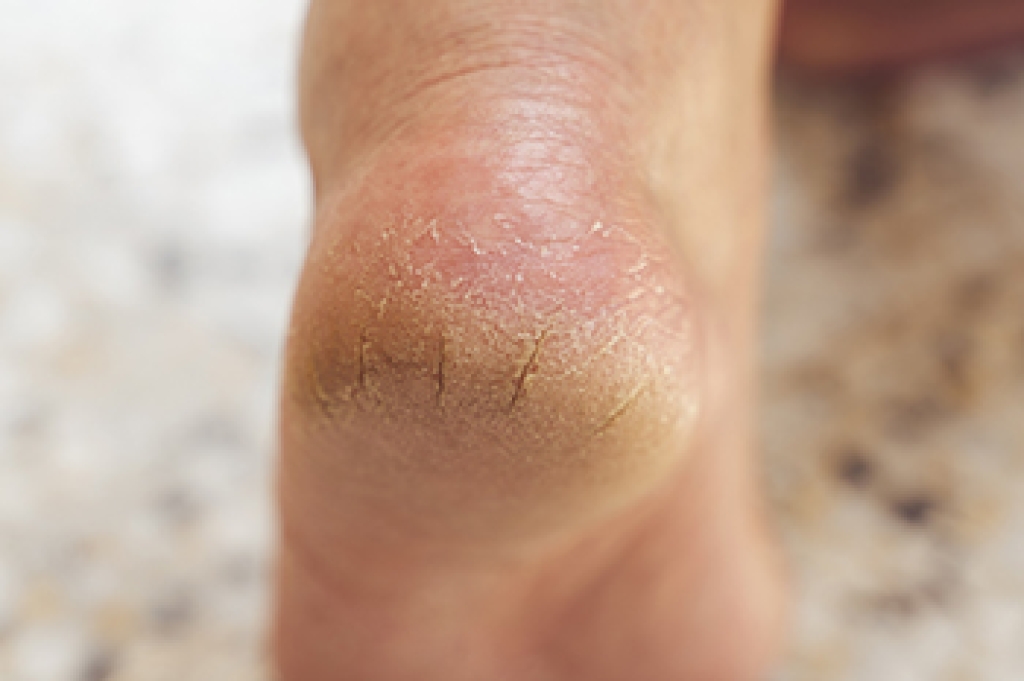
Cracked heels, or heel fissures, can be a bothersome foot condition that requires attention. While most people associate cracked heels with summer weather, they can also be problematic during the winter. Cracked heels often stem from hardened and dry skin, often accompanied by thick calluses. While standard moisturizers or petroleum jelly can offer relief, persistent cracks may indicate more profound issues. In fact, athlete's foot, a fungal infection typically causing itchiness and scaling, can migrate to the heels, leading to painful fissures. For mild cases, regular moisturizing, especially during dry winter months, can be beneficial. If at-home solutions prove ineffective, consulting a chiropodist is important. Severe cases can result in infections such as cellulitis, underscoring the importance of prompt and appropriate care. Cracked heels may also signal deeper health problems, such as hypothyroidism, diabetes, or heel bone spurs. Maintaining smooth and crack-free heels involves proper foot care, awareness of potential causes, and seeking guidance when needed. If cracks persist, it is suggested that you schedule an appointment with a chiropodist for a full evaluation and treatment options.
Dry, cracked heels are more than a cosmetic inconvenience. For many people, they are uncomfortable, deep, painful, and may even bleed. If you suffer from cracked heels, please consult with one of our chiropodists from West Toronto Foot & Ankle Clinic Inc. . Our chiropodist can help you maintain the health of your lower limbs and your mobility.
Causes
Prolonged standing
Wearing open-back shoes
Wearing shoes that don’t cushion the heels
Living in a cold or dry climate
Taking long, hot showers
Not moisturizing the heels
Eczema
Psoriasis
Palmoplantar keratoderma
Juvenile plantar dermatosis
Treatments
Soaking the feet
Exfoliating with a pumice stone
Moisturizing the heels
Wearing closed-back shoes that cushion heels
Avoiding prolonged standing
Taking warm, rather than hot, showers
Treating underlying skin conditions
While milder cases of cracked heels can be treated at home, some patients present with deep, painful, bleeding heel fissures that are at risk of becoming infected and may require medical care. Additionally, patients with diabetes or any other conditions that affect the immune system should be monitored by a chiropodist.
If you have any questions please feel free to contact our office located in Toronto, ON.
Baseball can be a thrilling sport, but it carries the risk of foot and ankle injuries. Ankle sprains are common due to sudden direction changes and sliding, and severe sprains may require a wearing cast or boot. Overuse can lead to Achilles tendonitis, and more complex injuries may need immobilization or even surgery. Plantar fasciitis causes heel pain and can hinder mobility. Repetitive impact can result in stress fractures. Properly fitted shoes can prevent cleat blisters, and blister care may help to prevent these painful nuisances. If you are experiencing any of these uncomfortable injuries from playing baseball, it is suggested that you schedule an appointment with a chiropodist for an accurate diagnosis and treatment that will ensure a return to the sport as quickly as possible.
Injuries to the foot and ankle are very common among athletes. If you have experienced an injury, please consult with one of our chiropodists from West Toronto Foot & Ankle Clinic Inc. . Our chiropodist will assess your condition and provide you with quality foot and ankle treatment.
Common Injuries Among Athletes:
Achilles tendon injuries
Ankle strains or sprains
Plantar fasciitis
Fractures
Turf toe
Joint dislocations
Sever’s disease
Morton’s neuroma
Symptoms
Symptoms will depend on the cause and severity of the injury. Common symptoms for a foot or ankle injury include pain, swelling, tenderness, bruising, a reduced range of motion, and difficulty bearing weight or walking on the affected foot or ankle.
Diagnosis
Sports injuries are typically diagnosed after carefully examining the affected foot or ankle. This includes moving the injured area to test its range of motion. Medical history will need to be provided, as well as detailed information about how the injury occurred. Imaging studies, such as X-rays or MRIs, may be used to confirm or rule out certain diagnoses.
Treatment
Just like symptoms, treatment will depend on the type of injury and its severity. Initial treatment for many sports injuries is aimed at controlling inflammation and promoting the healing response. The acronym R.I.C.E is a helpful guide to implement for most acute injuries. This method involves resting, icing, compressing, and elevating the affected foot or ankle. In addition, anti-inflammatory medications may be administered and orthotic devices may be prescribed. For more severe injuries, surgery may be required. Lastly, rehabilitation or physical therapy may be needed to gain full functionality in the afflicted area.
If you have any questions please feel free to contact our office located in Toronto, ON.