Bones and Anatomy of the Foot and Ankle

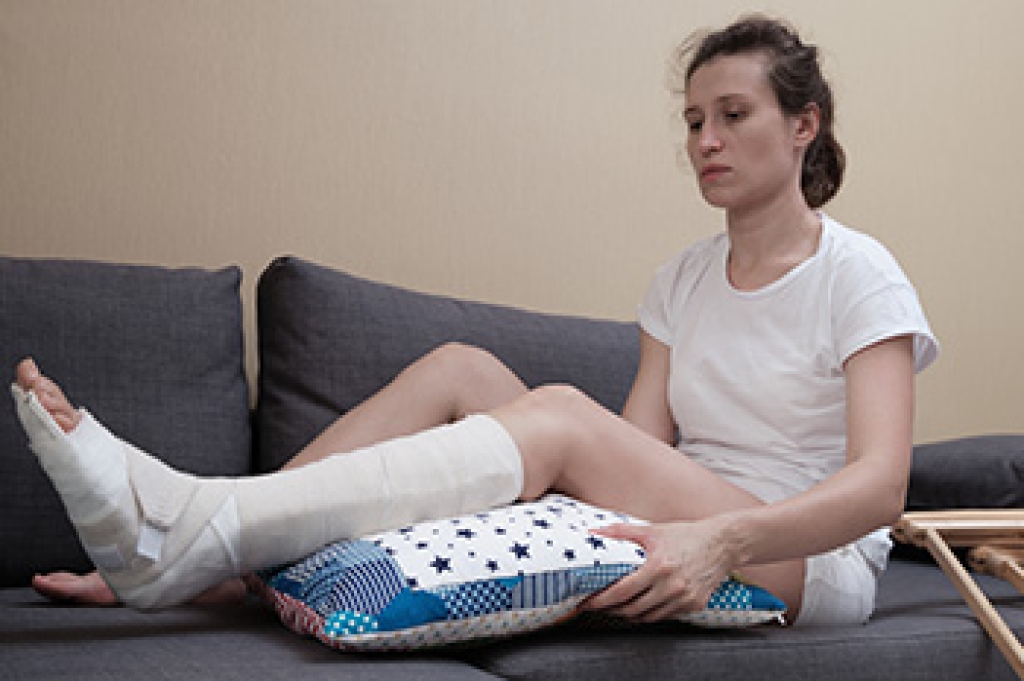
The foot and ankle are intricate structures designed to support the body's weight and enable movement. Comprising 26 bones, the foot is divided into three main sections, which are the hindfoot, midfoot, and forefoot. The ankle connects the foot to the lower leg, made up of the tibia, fibula, and talus bones. Ligaments and tendons surrounding these bones play an essential role in stabilizing and guiding movement. Kinesiology, the study of body movement, focuses on how these bones and muscles work together to produce motion and maintain balance. The muscles of the foot, including the flexors, extensors, and abductors, provide control over walking, running, and jumping. Additionally, the foot's arches, formed by the longitudinal and transverse structures, help distribute weight evenly, absorbing shock during movement. If you have sustained a foot or ankle injury, it is suggested that you consult a chiropodist who can treat various foot conditions, and educate you on how the bones, ligaments and foot muscles work in harmony.

The biomechanics of your feet play an important role in your foot health. To learn more, please consult with one of our chiropodists from West Toronto Foot & Ankle Clinic Inc. . Our chiropodist can help you maintain the health of your lower limbs and your mobility. 

Foot biomechanics refers to the study of the structure, function, and motion of the feet. The feet and ankles are a complex system consisting of many bones, joints, ligaments, muscles, and tendons that work together to move your feet. Understanding the unique biomechanics of your own feet can help you and your chiropodist make informed decisions about your foot health care. This includes decisions about the best preventive measures to avoid foot pain, the best treatment options for various foot problems, and finding the best shoes for your feet. 

If you have any questions please feel free to contact our office located in Toronto, ON

Read more about Biomechanics of the Feet

Heel Pain in the Morning?

Heel pain can negatively affect your day-to-day life. Simple activities like walking can become incredibly uncomfortable or painful due to heel pain.

Don’t live with heel pain and get treated.

Advances in Hammertoe Care

Hammertoes and other forefoot pathologies can cause significant discomfort, affecting mobility and quality of life. Treatment begins with conservative measures such as custom orthotics, padding, and targeted exercises to relieve pain and prevent further deformity. When these approaches are insufficient, surgical intervention may be recommended. Advancements in surgical techniques have revolutionized hammertoe correction. Minimally invasive procedures, improved fixation methods, and faster recovery times allow patients to return to their daily activities more quickly and with less post-operative pain. A chiropodist is essential in diagnosing and treating hammertoes. They can assess the severity of the condition, provide personalized care plans, and recommend surgical options if needed. If you are experiencing discomfort from a hammertoe or other foot problem, it is suggested that you consult a chiropodist to explore the best treatment options.

Hammertoe is a common foot deformity in which one or more of the small toes bends downwards at the middle joint. Though it may seem like a purely cosmetic issue, this is not the case. Hammertoes can be uncomfortable, painful, and even debilitating in severe cases. If you suffer from hammertoe, please consult with one of our chiropodists from West Toronto Foot & Ankle Clinic Inc. . Our chiropodist can help you maintain the health of your lower limbs and your mobility.

Symptoms

  • One or more small toes bending downward at the middle joint
  • Pain or irritation on the affected toes
  • Corns and calluses
  • Inflammation
  • Redness
  • Stiff toe joints
  • Sores on the tops of the toes

Diagnosis

A chiropodist can typically diagnose hammertoes through physical examination. X-rays may need to be taken to see the extent of the damage.

Treatment

Hammertoes tend to progressively worsen with time, so getting prompt treatment is very important. In its early stages, the progression of hammertoe can be slowed down or stopped. Your chiropodist may suggest changes in your footwear. Wearing wide, comfortable shoes with a larger toe area and a low heel can help you avoid putting pressure on your toes. You may also be prescribed orthotics. Over-the-counter medications or corticosteroid injections may be used to relieve pain. If you have any corns or calluses, your chiropodist may suggest padding them to avoid further irritation. In advanced cases, surgery may be suggested. 

If you have any questions please feel free to contact our office located in Toronto, ON

Read more about Hammertoes

Common Foot Injuries Caused by Slip and Fall Accidents

Slip and fall accidents can lead to a variety of foot injuries, ranging from mild to severe. One of the most common injuries is a sprain, which occurs when the ligaments in the foot are stretched or torn due to sudden movements. Fractures are also frequent, with broken toes or metatarsals being common after a fall. Another injury is a strain, where the muscles or tendons in the foot become overstretched or torn. In some cases, falls can lead to dislocations, where the bones in the foot are forced out of their normal position. Bruises and cuts can also occur if the foot strikes a hard surface. These injuries can be painful and may limit mobility, often requiring medical treatment, rest, and rehabilitation. Wearing proper footwear and using caution in slippery areas can help reduce the risk of such injuries. If you have endured a foot or ankle injury as a result of falling, it is suggested that you contact a chiropodist who can treat various foot conditions, and guide you on additional fall prevention methods.

Falls are a major cause of injury among the elderly. To learn more about preventing falls or to get treatment following a foot or ankle injury caused by a fall, please consult with one of our chiropodists from West Toronto Foot & Ankle Clinic Inc. . Our chiropodist will assess your condition and provide you with quality foot and ankle treatment. 

Falling is one of the leading causes of injury among the elderly. It is said that about 50% of falls that result in hospitalization occur in the home. Fortunately, there are steps that you can implement to reduce your risk of falling in the home. 

Tips to Prevent Falls at Home:

  • In the bathroom - Place non-slip mats in the shower or tub, install grab bars near the toilet and bath, and wipe up any moisture or spills as soon as possible.
  • In the living rooms and bedroom - Remove loose wires, cords, or other objects that may be an obstacle to moving around safely. Make sure that you have good lighting throughout the home so that you can always see where you are going. Get rid of any rugs or mats that are not firmly anchored or that may cause you to trip. When walking around the home, move slowly.
  • In the kitchen - Store food and supplies in easily accessible areas, store heavy items in lower cupboards, and wipe up any spills immediately to prevent slipping.
  • On the stairs - Make sure that the stairs are well-lit and have secure handrails. Walk slowly when ascending or descending the stairs.
  • Outside - Keep walkways well-lit and clear of snow, ice, leaves, and man-made tripping hazards.

Maintaining your overall health, including the health of your feet, can also help to prevent falls. Eat a healthy diet, exercise regularly, and wear well-fitted, comfortable, and supportive shoes. If you have a mobility device, such as a cane, use it while walking.  

If you have any questions please feel free to contact our office located in Toronto, ON

Read more about Falls Prevention

Facts About Diabetic Foot Neuropathy

Diabetic foot neuropathy is a condition that results from nerve damage caused by prolonged high blood sugar levels in individuals with diabetes. This condition affects the peripheral nerves, leading to symptoms such as pain, numbness, and weakness in the feet. There are several types of diabetic foot neuropathy, with the most common being peripheral neuropathy, which causes tingling and burning sensations in the feet. Another type is autonomic neuropathy, which affects the nerves controlling sweat glands and blood flow, potentially leading to dry, cracked skin on the feet. The primary cause of diabetic foot neuropathy is consistently high blood sugar levels, which damage the nerves over time. Other contributing factors include poor circulation, obesity, and long-standing diabetes. Effective management involves controlling blood sugar levels and regular foot inspections by a chiropodist. If you have diabetes, it is strongly suggested that you contact this type of healthcare professional who can help you to monitor this serious condition.

Neuropathy can cause permanent nerve damage if left untreated. If you are experiencing the symptoms of peripheral neuropathy, please consult with one of our chiropodists from West Toronto Foot & Ankle Clinic Inc. . Our chiropodist will assess your condition and provide you with quality foot and ankle treatment. 

What Is Peripheral Neuropathy?

Peripheral neuropathy is a condition that damages the nerves of the peripheral nervous system, which provide sensation to the limbs. The feet are often affected. Peripheral neuropathy can have many different causes, but it is most commonly associated with diabetes.

Symptoms

Common symptoms of peripheral neuropathy include:

  • Pain
  • Numbness or tingling sensation
  • Burning sensations
  • Weakness
  • Loss of balance

Diagnosis

Peripheral neuropathy is diagnosed based on medical history and physical examination. Various tests performed during physical examinations can help determine the type of peripheral neuropathy you may have and what is causing it. 

Treatment

Treatment for peripheral neuropathy will depend on what is causing it. For example, if your peripheral neuropathy is caused by diabetes, then managing your blood sugar, exercising regularly to strengthen the legs and feet, and taking pain medications may be recommended as treatments. 

If you have any questions please feel free to contact our office located in Toronto, ON

Read more about Neuropathy

Connect With Us