
Plantar warts are small growths that develop on parts of the feet that bear weight. They're typically found on the bottom of the foot. Don't live with plantar warts, and call us today!
Plantar warts are small growths that develop on parts of the feet that bear weight. They're typically found on the bottom of the foot. Don't live with plantar warts, and call us today!
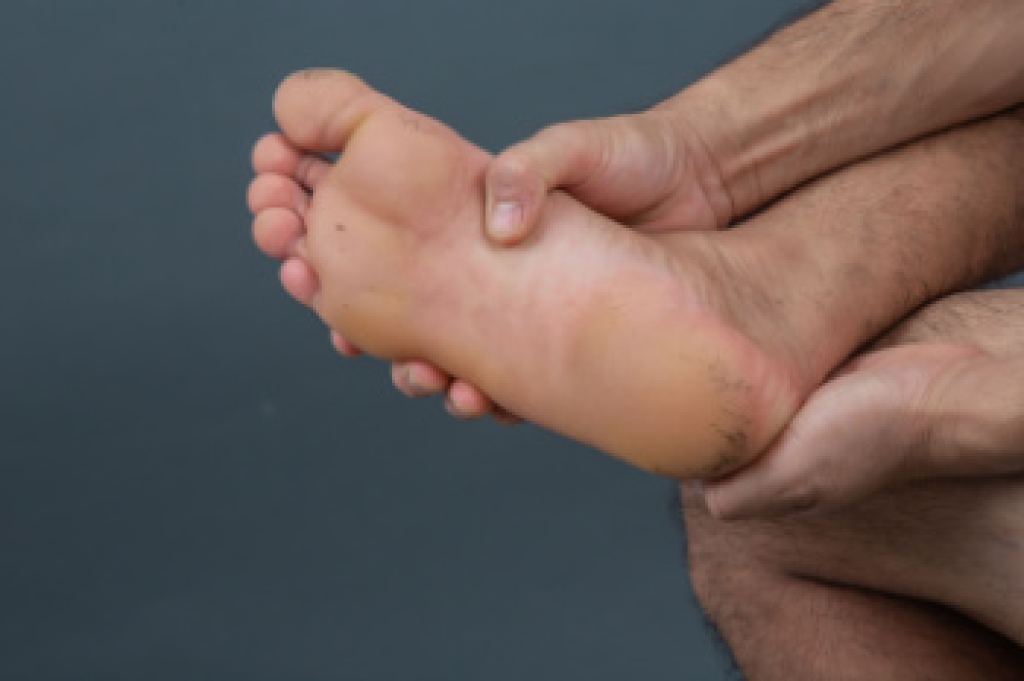
Cracked heels, or heel fissures, can result from various factors, including prolonged standing on hard surfaces, skin conditions like eczema, and systemic conditions such as diabetes. The main cause of cracked heels is dry skin that leads to the formation of calluses. Wearing inappropriate footwear that lacks proper support and sandals or flip flops can also contribute to cracked heels. Fissures in the dry skin on the heels can be painful and may lead to complications and serious infections. Managing the underlying conditions and adopting proper foot care routines are essential to prevent and alleviate cracked heels. If you are experiencing discomfort or noticing signs of infection in cracked heels, it is suggested that you seek the expertise of a chiropodist who can assess the condition and provide appropriate treatment recommendations.
Cracked heels, also known as heel fissures, can cause pain and discomfort. If your cracked heels are bothering you, please consult with one of our chiropodists from West Toronto Foot & Ankle Clinic Inc. . Our chiropodist will assess your condition and provide you with quality foot and ankle treatment.
Dry, thickened skin around the rim of the heel is typically the first sign of cracked heels. While this condition is common and usually just a nuisance, some cases can be more severe. If left untreated and as more pressure is placed on the heel, the cracks become deeper and eventually walking and standing can be painful. These deep cracks or fissures can bleed and also become infected. Those with diabetes need to be especially careful as fissures could lead to diabetic foot ulcers.
Causes
Cracked heels can be the result of several different factors, including:
Treatment
There are many at-home treatment remedies for cracked heels. Applying moisturizers to the heel can help hydrate the skin. Soaking your feet in warm water and exfoliating them with a loofah or pumice stone can help to buff away dead skin cells. If you are afflicted with cracked heels, it is recommended that you see a chiropodist for treatment.
Prevention
You can prevent cracked heels by:
If you have any questions please feel free to contact our office located in Toronto, ON .
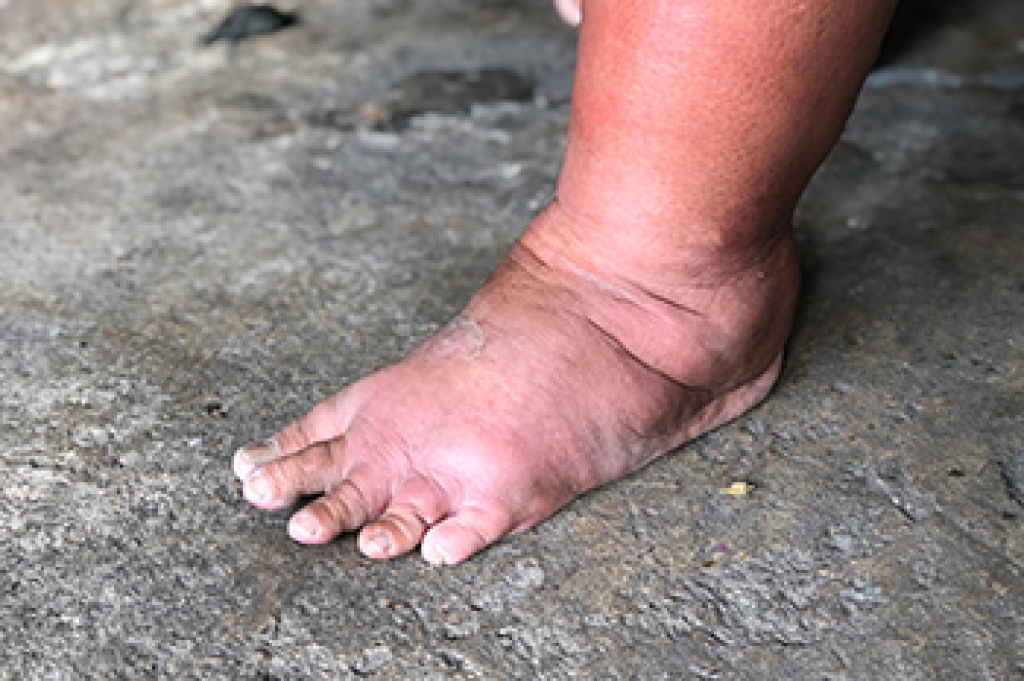
Swollen ankles, or edema, in seniors, can stem from various sources. These include chronic conditions like congestive heart failure, cirrhosis, and kidney disease, which disrupt fluid balance. Additionally, medications such as calcium channel blockers and anti-inflammatories may worsen swelling of the ankles. Other factors like gout, ankle injuries, cellulitis, and wearing ill-fitting shoes can contribute to swelling. Addressing the underlying causes can not only alleviate discomfort but also prevent potential complications. For seniors experiencing swollen ankles, consulting with a chiropodist is paramount to ensure proper diagnosis and management of this possibly dangerous condition. It is suggested that you schedule an appointment with a chiropodist for an assessment as quickly as possible.
Foot problems can become increasingly common as we age, making everyday foot care especially important. To learn more about maintaining proper foot health, please consult with one of our chiropodists from West Toronto Foot & Ankle Clinic Inc. . Our chiropodist will assess your condition and provide you with quality foot and ankle treatment.
Common Foot Problems
Certain foot problems may be more likely to affect older adults.
Some examples of foot conditions that can be common in older adults include:
Systemic conditions, such as diabetes or arthritis, are also more likely to affect older people and manifest symptoms in the feet and ankles.
Daily Foot Care Tips
Having a daily foot care routine can help detect problems early on and prevent future issues.
Things that you can do at home to care for your feet include:
If you have any questions please feel free to contact our office located in Toronto, ON .

Runner's toenail, also known as black toenail, is a common ailment among runners that can cause discomfort and hinder performance. Symptoms of runner’s toenail include soreness or discoloration in one or more toenails, often accompanied by swelling underneath the nail. This condition is caused by repeated trauma to the toenail area, usually from the toes banging against the front or sides of the shoe, especially on hilly terrain. Ill-fitting footwear also increases the risk of developing subungual hematomas, where blood collects under the nail. Proper footwear selection, maintaining appropriate toenail length, and paying attention to foot hygiene are essential preventive measures. This can cause the toenail to appear black. Experts agree that it is important to address the appearance of black toenails promptly to prevent complications. If you're experiencing persistent soreness or discoloration in your toenails, it is suggested that you make an appointment with a chiropodist for personalized care and relief options.
Although running is a wonderful exercise to keep you in shape, it can wreak havoc on your feet and ankles if you don’t take preventive measures. If you have sustained a foot and ankle injury from running, please consult with one of our chiropodists from West Toronto Foot & Ankle Clinic Inc. . Our chiropodist can help you maintain the health of your lower limbs and your mobility.
Some common running injuries include:
What causes injuries?
These injuries are usually caused by overtraining, wearing the wrong shoes, running on hard surfaces, having tight and inflexible muscles, or having biomechanical issues in the feet or ankles.
What can I do to prevent injuries?
If you have any questions please feel free to contact our office located in Toronto, ON .

Psoriatic arthritis is a chronic autoimmune condition that affects individuals with psoriasis, causing inflammation in the joints. When it affects the feet and ankles, it can lead to various symptoms and complications. Common manifestations can include pain, swelling, stiffness, and a reduced range of motion in the affected joints. Psoriatic arthritis can also cause conditions such as toe deformities, that can include sausage toes or hammertoes, and changes in the alignment of the foot and ankle bones. These symptoms can significantly impair mobility and quality of life. In severe cases, psoriatic arthritis can damage the joints, leading to irreversible joint damage and disability. Additionally, inflammation in the tendons and ligaments surrounding the feet and ankles can occur, further exacerbating symptoms. If you have psoriatic arthritis and it is affecting your feet, it is suggested that you contact a chiropodist promptly. Early diagnosis and management can control the progression of psoriatic arthritis and minimize its impact on foot and ankle function.
Osteoarthritis in the feet or ankles can be a painful and disabling condition that may interfere with your daily activities. If you have arthritis, please consult with one of our chiropodists from West Toronto Foot & Ankle Clinic Inc. . Our chiropodist will assess your condition and provide you with quality foot and ankle treatment.
What Is Osteoarthritis?
Osteoarthritis is a condition in which the protective layer of cartilage in the joints breaks down over time. This loss of cartilage causes the bones to rub together during movement, leading to pain and inflammation. Osteoarthritis is associated with aging, and often affects the small joints of the feet and ankles.
Symptoms
Symptoms of osteoarthritis include:
Diagnosis
Osteoarthritis can be diagnosed through physical examination. You may also need to have an X-ray taken to assess the extent of the damage caused by arthritis.
Treatment
Treatment for osteoarthritis focuses on reducing symptoms and improving the function of the affected joints. Conservative treatments include oral pain medications, orthotic devices, bracing or immobilizing the affected foot or ankle, steroid injections into the affected joint to reduce inflammation, and physical therapy. In more severe cases, surgery may be necessary.
If you have any questions please feel free to contact our office located in Toronto, ON .
Connect With Us
