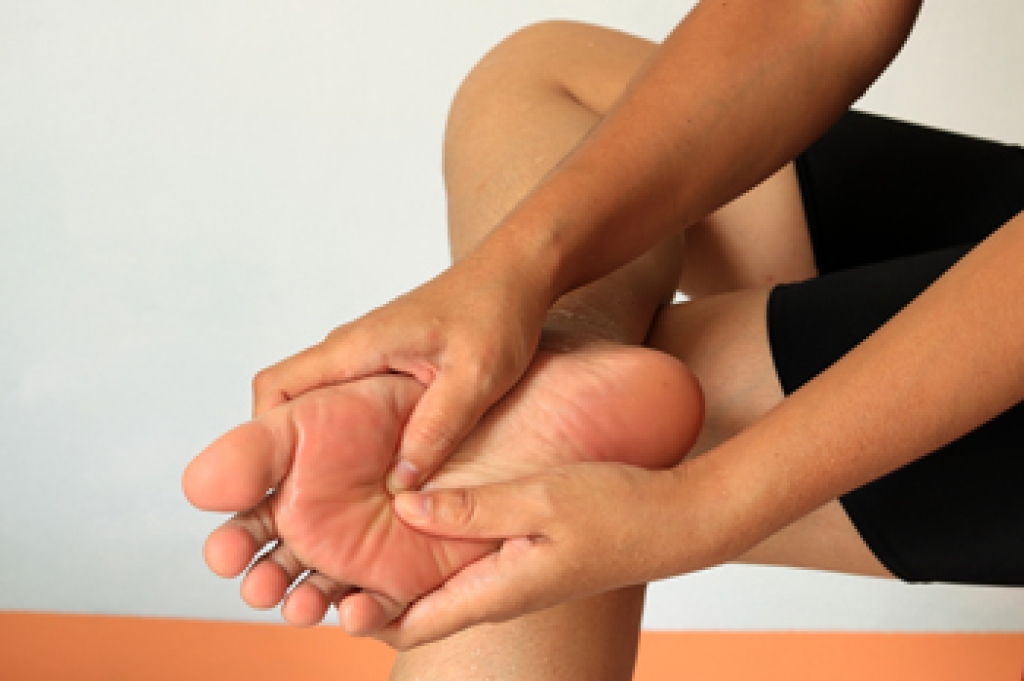
Pain and a burning sensation in the foot sometimes point to very different problems. Plantar fasciitis affects the strong band of tissue that supports the arch and connects the heel to the toes. Sciatica involves irritation or compression of a nerve in the lower back, with symptoms that travel down the leg. Both conditions interfere with comfortable movement, but their pain patterns usually differ. Recognizing these differences helps a chiropodist determine whether discomfort begins within the foot or comes from a nerve farther away. A careful assessment matters because treatment should address the source rather than the painful location alone.
Plantar fasciitis typically produces pain beneath the heel, sometimes extending into the arch. The first steps after getting out of bed are often particularly painful. Discomfort also develops when standing after a period of sitting. The pain sometimes eases after a few minutes of movement, then returns with prolonged standing or walking. Pressing near the inner underside of the heel frequently reveals tenderness. Unlike sciatica, plantar fasciitis does not usually cause numbness or tingling. During an examination, a chiropodist checks the tender area and assesses foot movement. They also examine how well the arch functions when the patient stands and walks.
Sciatica more often causes shooting, burning, or electric-like pain that travels through the buttock and down one leg. These symptoms may extend into the foot or toes. Tingling, numbness, or weakness suggests nerve involvement rather than an isolated problem with the arch-supporting tissue. Back pain sometimes accompanies these symptoms, although leg pain is often more noticeable. Coughing or sneezing sometimes makes the pain worse. A chiropodist asks whether symptoms follow this travelling pattern and checks foot sensation and strength. Findings that suggest sciatica may prompt referral for medical assessment, since examining the foot alone does not establish the cause of back-related nerve pain.
Distinguishing these conditions starts with a detailed symptom history and physical examination. A chiropodist considers where pain begins, what triggers it, and whether sensation changes. Plantar fasciitis usually does not require scans for diagnosis. Suspected sciatica also does not automatically require imaging tests. Further testing depends on the medical assessment. Both problems sometimes occur together, so one diagnosis does not exclude the other. For confirmed plantar fasciitis, a chiropodist provides targeted support through prescribed orthotics or protective heel padding. Follow-up visits assess progress and allow adjustments to treatment. If you are experiencing any of the above symptoms, it is suggested that you schedule an appointment with a chiropodist for a diagnosis and appropriate treatment.
Foot pain is a common problem treated by chiropodists. If you have foot pain, please consult with one of our chiropodists from West Toronto Foot & Ankle Clinic Inc. . Our chiropodist can help you maintain the health of your lower limbs and your mobility.
When you are experiencing foot pain, it’s important to note the type of pain and its location, as this can help determine a diagnosis.
Pain in the top of the foot may be caused by:
- Stress fractures
- Sinus tarsi syndrome
- Extensor tendonitis
- Tibialis anterior tendonitis
- Gout
- Athlete’s foot
- Ganglion cysts
Pain in the bottom of the foot may be caused by:
- Plantar fasciitis
- Foot cramps
- Tarsal tunnel syndrome
- Plantar fibromatosis
- Posterior tibial tendonitis
- Stress fractures
- Flat feet
Pain on the side of the foot may be caused by:
- Ankle sprain
- Cuboid syndrome
- Peroneal tendonitis
- Stress fractures
- Bunions
- Corns or calluses
- Posterior tibial tendonitis
Heel pain may be caused by:
- Plantar fasciitis
- Achilles tendonitis
- Bone spurs
- Heel fractures
- Retrocalcaneal bursitis
- Sever’s disease
Pain in the toes may be caused by:
- Gout
- Hammertoe
- Turf toe
- Bunions
- Ingrown toenails
- Blisters
- Arthritis
These and many more conditions can be treated by a chiropodist. If you have any questions please feel free to contact our office located in Toronto, ON .
