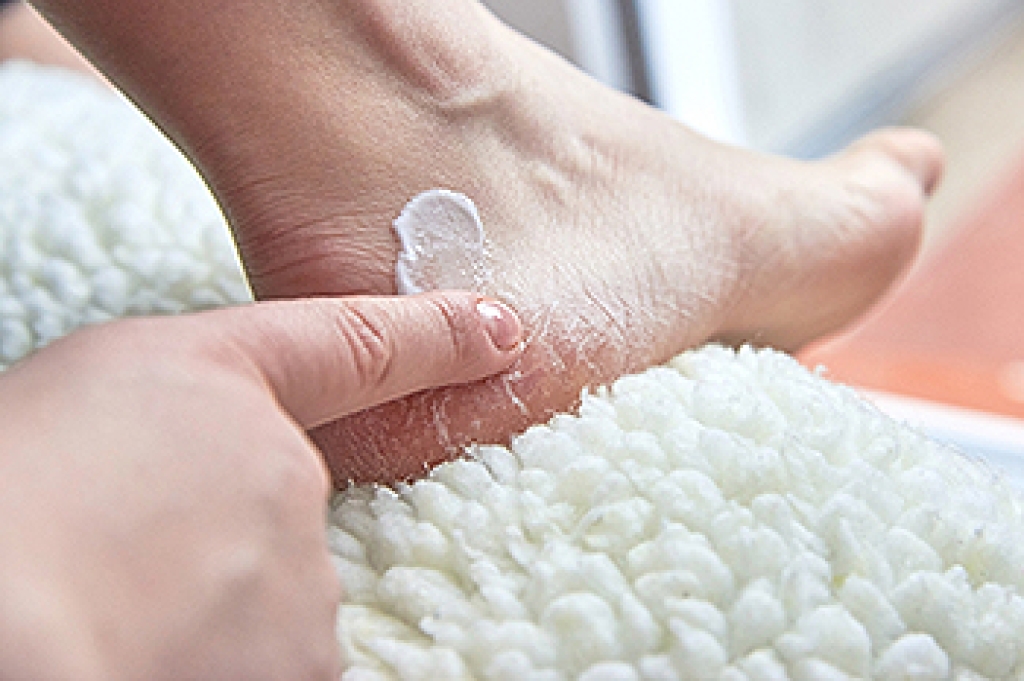
Dry skin on the feet is common and can leave the skin feeling rough, tight, or itchy. It develops when the skin loses moisture faster than it can be replaced. The heels and soles are especially vulnerable because they experience pressure. Dry feet may also become scaly or develop small cracks, called fissures. Common causes include cold weather, low humidity, and frequent exposure to water. Eczema, psoriasis, and thyroid disorders can also contribute to persistent dryness.
Several factors can increase the risk of cracked heels. Age can reduce natural oil production, making moisture loss more likely. Wearing open-back shoes can expose the feet to dry air. Symptoms that worsen or fail to improve deserve attention. Bleeding, painful cracks, or drainage may signal a more serious skin problem or infection.
A chiropodist can determine why dry foot skin is occurring. Treatment begins with a skin examination. The chiropodist may suggest a thick moisturizing cream that contains urea or lactic acid. Patients may receive guidance about bathing and moisturizing. If infection, eczema, or another condition is suspected, additional treatment may be recommended. Follow-up care can confirm healing and reduce recurring problems.
Healthy foot care can also make a noticeable difference. Apply moisturizer after bathing while the skin is slightly damp, but avoid placing heavy creams between the toes. Wear breathable, properly fitting shoes that reduce friction. Avoid picking at flaky areas. Regular moisturizing helps to maintain the skin barrier. Appropriate footwear can limit friction, pressure, and exposure to dry air during daily routines and other activities. If dry skin continues or develops painful cracks, it is suggested that you consult a chiropodist for effective relief and prevention tips.
Dry, cracked heels are more than a cosmetic inconvenience. For many people, they are uncomfortable, deep, painful, and may even bleed. If you suffer from cracked heels, please consult with one of our chiropodists from West Toronto Foot & Ankle Clinic Inc. . Our chiropodist can help you maintain the health of your lower limbs and your mobility.
Causes
- Prolonged standing
- Wearing open-back shoes
- Wearing shoes that don’t cushion the heels
- Living in a cold or dry climate
- Taking long, hot showers
- Not moisturizing the heels
- Eczema
- Psoriasis
- Palmoplantar keratoderma
- Juvenile plantar dermatosis
Treatments
- Soaking the feet
- Exfoliating with a pumice stone
- Moisturizing the heels
- Wearing closed-back shoes that cushion heels
- Avoiding prolonged standing
- Taking warm, rather than hot, showers
- Treating underlying skin conditions
While milder cases of cracked heels can be treated at home, some patients present with deep, painful, bleeding heel fissures that are at risk of becoming infected and may require medical care. Additionally, patients with diabetes or any other conditions that affect the immune system should be monitored by a chiropodist.
If you have any questions please feel free to contact our office located in Toronto, ON .
