Common Locations of Corns

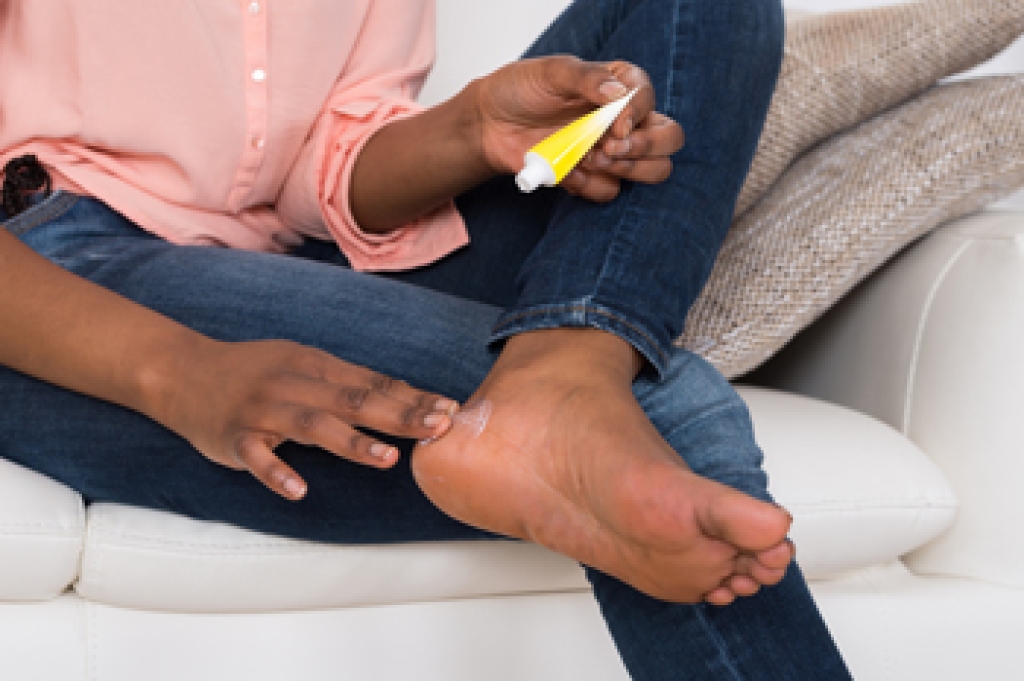
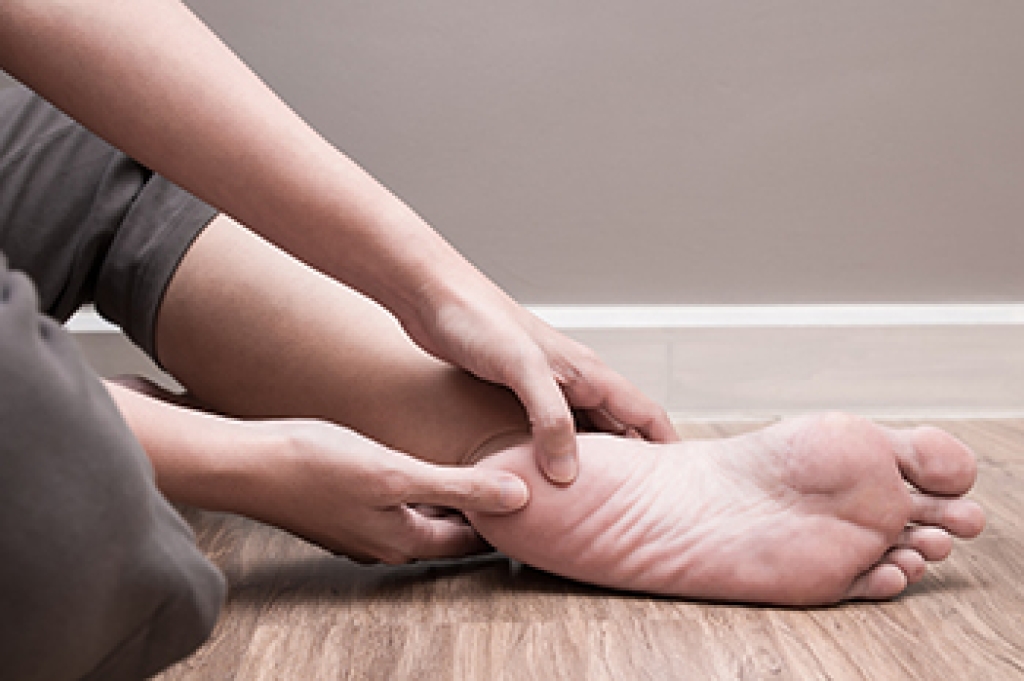
Corns are small, thickened areas of skin that develop as a result of repeated pressure or friction. They often form to protect the skin from irritation, becoming dense and sometimes painful. Corns are commonly confused with calluses, but they tend to be smaller, deeper, and more painful to the touch. The main causes of corns include wearing tight or ill-fitting shoes, walking barefoot frequently, or having foot deformities such as hammertoes or bunions. Corns typically develop in areas where the bones of the feet rub against footwear. Common locations include the tops and sides of toes, between toes, and on the soles of the feet. Corns can be painful, and may cause difficulty in completing daily activities. If you have developed a corn, it is suggested that you consult a chiropodist who can offer relief and prevention tips.

Corns are small bumps or dry, hardened skin that can arise on the feet, usually in response to friction. Corns can be asymptomatic, or they can be uncomfortable or painful. If you have corns that are bothering you, please consult with one of our chiropodists from West Toronto Foot & Ankle Clinic Inc. . Our chiropodist can help you maintain the health of your lower limbs and your mobility. 

There are three types of corns:

  • Hard corns
    • Often occur on the tops of toes
    • Feature a hard core surrounded by dry, irritated skin
    • Can be painful
  • Soft corns
    • Often occur in between the toes
    • Soft due to constant exposure to sweat
    • Can be painful
  • Seed corns
    • Tiny
    • Often occur on the soles of the feet
    • Usually asymptomatic

Corns can be prevented by wearing shoes that fit properly. They are typically benign and don’t require medical treatment. However, if your corns are causing you pain or discomfort, don’t hesitate to reach out to a chiropodist near you for treatment options. If you have any questions please feel free to contact our office located in Toronto, ON

Read more about Corns on the Feet

Are You Suffering From Nerve Damage?

Neuropathy is a condition that can lead to numbness or loss of sensation in the feet, but it can also cause pain. This condition is more likely to develop for those who are diabetic, obese, or with high blood pressure.

Common Causes of Arch Foot Pain

Arch foot pain can result from several conditions that affect the structure and function of the foot. One of the most frequent causes is plantar fasciitis, which involves inflammation of the thick band of tissue that supports the arch and connects the heel to the toes. Stress fractures in the bones of the foot, often caused by repetitive impact or overuse, can also lead to arch discomfort. Muscle strains from excessive physical activity or improper footwear may contribute to pain and fatigue in the arch area. Another possible cause is posterior tibial tendonitis, an inflammation of the tendon that helps support the arch and maintain stability during walking. If you have any type of foot pain, it is suggested that you contact a chiropodist who can accurately diagnose and treat the cause.

Foot pain is a common problem treated by chiropodists. If you have foot pain, please consult with one of our chiropodists from West Toronto Foot & Ankle Clinic Inc. . Our chiropodist can help you maintain the health of your lower limbs and your mobility. 

When you are experiencing foot pain, it’s important to note the type of pain and its location, as this can help determine a diagnosis. 

Pain in the top of the foot may be caused by:

  • Stress fractures
  • Sinus tarsi syndrome
  • Extensor tendonitis
  • Tibialis anterior tendonitis
  • Gout
  • Athlete’s foot
  • Ganglion cysts

Pain in the bottom of the foot may be caused by:

  • Plantar fasciitis
  • Foot cramps
  • Tarsal tunnel syndrome
  • Plantar fibromatosis
  • Posterior tibial tendonitis
  • Stress fractures
  • Flat feet

Pain on the side of the foot may be caused by:

  • Ankle sprain
  • Cuboid syndrome
  • Peroneal tendonitis
  • Stress fractures
  • Bunions
  • Corns or calluses
  • Posterior tibial tendonitis

Heel pain may be caused by:

  • Plantar fasciitis
  • Achilles tendonitis
  • Bone spurs
  • Heel fractures
  • Retrocalcaneal bursitis
  • Sever’s disease 

Pain in the toes may be caused by:

  • Gout
  • Hammertoe
  • Turf toe
  • Bunions
  • Ingrown toenails
  • Blisters
  • Arthritis

These and many more conditions can be treated by a chiropodist. If you have any questions please feel free to contact our office located in Toronto, ON

Read more about Foot Pain

Avoiding Plantar Fasciitis From Playing Pickleball

Playing pickleball several days each week on hard asphalt courts can put strain on your feet, potentially leading to or worsening plantar fasciitis. The constant impact from quick stops, sudden pivots, and rapid starts can stress the band of tissue running along the bottom of your foot. Over time, this strain may result in inflammation, causing pain at the heel that sometimes wraps around to the inside of the ankle. The repetitive pressure can disrupt the normal mechanics of your foot, leading to discomfort and reduced mobility. To help prevent further damage, choose well-cushioned, supportive footwear and consider using orthotic inserts. Incorporating rest, regular stretching, and strengthening exercises for the calves and feet can also relieve tension. If you continue to experience pain or notice worsening symptoms, it is suggested that you see a chiropodist for a thorough evaluation and care.

Plantar fasciitis can be painful and interfere with your daily activities. If you are experiencing foot or heel pain and believe you may be afflicted with plantar fasciitis, please consult with one of our chiropodists from West Toronto Foot & Ankle Clinic Inc. . Our chiropodist will assess your condition and provide you with quality foot and ankle treatment. 

What Is Plantar Fasciitis?

Plantar fasciitis refers to the inflammation of the plantar fascia, a ligament that runs along the bottom of the foot and connects the heel bone to the toes. Repetitive activities, such as running or jumping, can injure the plantar fascia over time. Plantar fasciitis can also be caused by flat feet, high arches, pregnancy, and activities that put excessive pressure on your feet, like standing all day for work. When the plantar fascia becomes inflamed, it causes pain and discomfort. 

Symptoms

Typical symptoms of plantar fasciitis include:

  • Stabbing pain near the heel
  • Pain that is worst in the morning or after a period of rest
  • Pain that increases after exercising
  • Swelling
  • Tightness in the Achilles tendon

Diagnosis

Plantar fasciitis is typically diagnosed via medical history and physical examination. 

Treatment

Treatments for plantar fasciitis include resting and icing the affected foot, stretching the foot, taking medications to reduce inflammation, and wearing orthotics. In severe cases where pain does not improve with conservative treatments, injections or surgery may be recommended. 

If you have any questions please feel free to contact our office located in Toronto, ON

Read more about Plantar Fasciitis

Causes of Diabetic Black Toenails

Black toenails in individuals with diabetes can result from several underlying causes, often indicating more serious health concerns. Peripheral arterial disease may lead to poor circulation, reducing blood flow to the toes and causing tissue damage or discoloration. Neuropathy, or nerve damage, may reduce sensation, making individuals unaware of injuries or pressure that can lead to bruising or infections. Fungal infections are also common in diabetics and can cause thickened, discolored, or darkened nails. Trauma, even minor, may go unnoticed due to decreased sensation and lead to bleeding under the nail. Monitoring foot health is vital in diabetic patients, as black toenails may signal complications that require prompt medical attention. If  you have diabetes and have developed black toenails, it is suggested that you see a chiropodist as soon as possible for help in managing this serious condition.

Diabetes can cause serious problems in the lower limbs if proper preventive measures are not taken and diabetic wound care is not performed. If you would like to learn more about caring for diabetic feet, please consult with one of our chiropodists from West Toronto Foot & Ankle Clinic Inc. . Our chiropodist can help you maintain the health of your lower limbs and your mobility. 

Diabetes can lead to a host of foot and ankle complications, including: 

  • Poor circulation
  • Peripheral neuropathy
  • Diabetic foot wounds and ulcers
  • Infection
  • Corns and calluses
  • Dry, cracked skin
  • Nail disorders
  • Hammertoes
  • Bunions
  • Charcot foot

If you have diabetes, you must be vigilant of any changes in your foot health. This is best done through daily foot inspections. Using a mirror to help you if necessary, look for any: 

  • Cuts, scrapes, sores, or wounds
  • Bruising or discoloration
  • Swelling
  • Rash
  • Foul odor
  • Nail changes
  • Hair loss
  • Warmth and inflammation
  • Deformities
  • Lower limb pain
  • Strange sensations (numbness, tingling, burning, pins, and needles)

If you have any questions please feel free to contact our office located in Toronto, ON

Read more about Diabetic Foot Care

Connect With Us