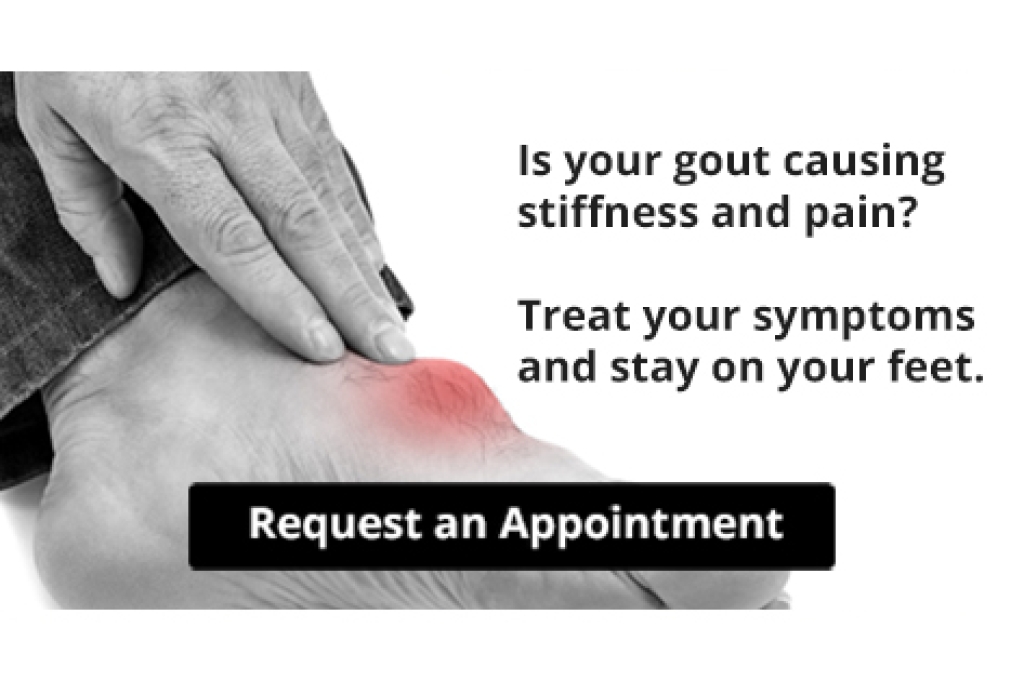
Gout is a painful, inflammatory form of arthritis. Those affected will typically feel an intense stiffness in the joints of their feet, particularly in the big toe. Schedule a visit to learn about how gout can be managed and treated.
Gout is a painful, inflammatory form of arthritis. Those affected will typically feel an intense stiffness in the joints of their feet, particularly in the big toe. Schedule a visit to learn about how gout can be managed and treated.

Parents may notice their children’s walking style, or gait, may be abnormal. There are common reasons why specific types of shoes are worn, with the hope of correcting existing foot conditions. Some of these ailments can include low muscle tone, toe walking, or flat feet. Corrective shoes may help the child to walk and run straighter, and this may be accomplished by having proper heel and arch support. The majority of babies are born with flat feet, and the heel generally develops as they approach their teenage years. Wearing shoes or orthotics specifically designed for flat feet may help to improve posture, and possibly relieve existing foot pain. If you notice your child has difficulty or pain while walking, it is suggested that you confer with a chiropodist who can determine the cause, and offer correct treatment solutions.
If your child is experiencing foot or ankle pain, please consult with one of our chiropodists from West Toronto Foot & Ankle Clinic Inc. . Our chiropodist will assess your condition and provide you with quality foot and ankle treatment.
Common Causes of Foot Pain in Children
While children can experience many of the same foot problems as adults do, some foot problems may be more common during childhood.
Causes of foot pain in children can include:
Prevention
It is important to look after the health of children’s feet in order to prevent future problems from arising. Keep your child’s feet clean and dry, trim their toenails regularly, ensure their shoes fit properly, and keep a watchful eye on any symptoms of foot pain, such as limping. If you notice any symptoms or if your child complains of foot pain, a chiropodist can help.
If you have any questions please feel free to contact our office located in Toronto, ON .
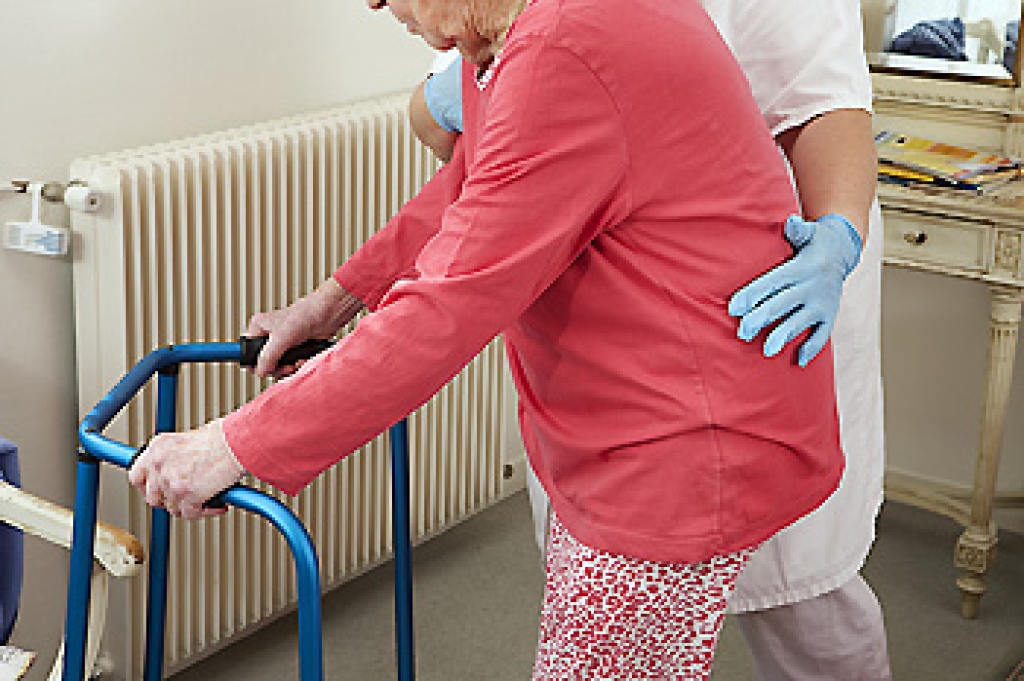
Senior citizens become increasingly susceptible to suffering a detrimental fall in their older age. If a senior falls, they might be putting themselves at risk of damaging their feet. For example, seniors could break or fracture their foot, or experience decreased foot strength. To prevent this, a senior can be mindful of preventing falls in areas where they commonly occur. Specifically, seniors are likely to fall in certain areas, such as when getting in and out of their car. By exercising regularly, a senior can strengthen their body so that they can more stably navigate in and out of their car. Also, a senior can take their time, ensuring that they have stable footing. If you are a senior or are caring for one, consider contacting a chiropodist today for more information on how to prevent falls from getting in and out of one’s car.
Falls are a major cause of injury among the elderly. To learn more about preventing falls or to get treatment following a foot or ankle injury caused by a fall, please consult with one of our chiropodists from West Toronto Foot & Ankle Clinic Inc. . Our chiropodist will assess your condition and provide you with quality foot and ankle treatment.
Falling is one of the leading causes of injury among the elderly. It is said that about 50% of falls that result in hospitalization occur in the home. Fortunately, there are steps that you can implement to reduce your risk of falling in the home.
Tips to Prevent Falls at Home:
Maintaining your overall health, including the health of your feet, can also help to prevent falls. Eat a healthy diet, exercise regularly, and wear well-fitted, comfortable, and supportive shoes. If you have a mobility device, such as a cane, use it while walking.
If you have any questions please feel free to contact our office located in Toronto, ON .

Many people look forward to the summer months for the lighter clothing that is worn. This can also apply to wearing shoes that allow more freedom, such as flip-flops or sandals. It is helpful to properly care for the feet during the colder months by washing, drying, and trimming the toenails weekly in preparation for wearing these types of shoes. Additionally, many people walk on the sand and are exposed to the sun while at the beach, and this can wreak havoc on their feet. The heels are prone to drying out faster than the rest of the foot, and it may help to apply a good moisturizer on them several times per day. Many people are careful about putting sunscreen on the majority of their bodies, and the feet can be overlooked. People who have sunburned feet experience pain and discomfort which can be easily avoided when sunscreen is frequently applied. If you would like more information about effective tips on how to protect your feet during the summer months, please consult with a chiropodist.
Summer is the season for many foot and ankle issues. If you’re suffering from a foot or ankle problem, please consult with one of our chiropodists from West Toronto Foot & Ankle Clinic Inc. . Our chiropodist can help you maintain the health of your lower limbs and your mobility.
Common Summer Foot Problems
Prevention
If you have any questions please feel free to contact our office located in Toronto, ON .
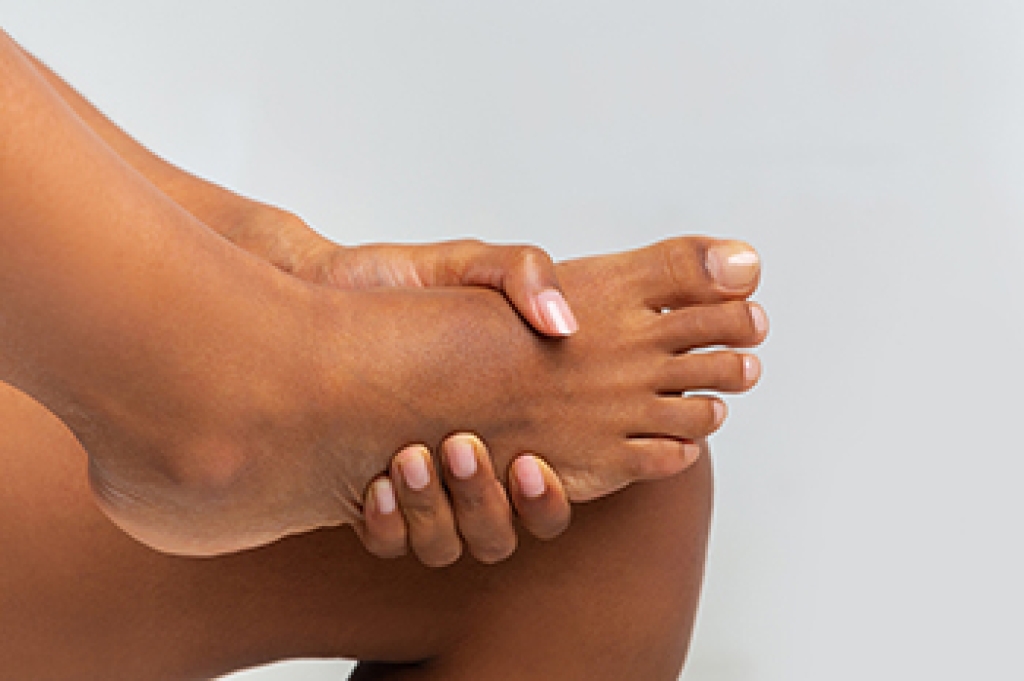
Foot pain can develop in individuals for any number of different reasons. In fact, foot pain and complications associated with the feet are so wide-ranging that an entire field of medicine is dedicated to this question. One often overlooked cause of foot pain is associated with low levels of Vitamin D. This vitamin is a fat-soluble vitamin. When the body’s levels of Vitamin D become too low, the human body will try to alert an individual by manifesting pain in the feet. Pain might also be felt in the ankles as well. As a result of diminished levels of Vitamin D, an individual can be at an increased risk of falling or suffering from tripping. If you think that this might describe you, consider contacting a chiropodist today who can help you manage any problems you might be having with your feet or ankles.
Foot pain can have many causes. To receive an accurate diagnosis and treatment for your foot pain, please consult with one of our chiropodists from West Toronto Foot & Ankle Clinic Inc. . Our chiropodist will assess your condition and provide you with quality foot and ankle treatment.
Causes
There are a variety of different conditions that can cause foot pain, including:
Symptoms
The type and location of your foot pain can help determine what may be causing it and what type of treatment options are best for you.
Common types of foot pain include:
Diagnosis
A thorough medical history and physical examination of your feet will be required to determine a diagnosis. Imaging studies, such as X-rays or MRIs may be performed to rule out or confirm certain diagnoses.
Treatment
Treatment will depend on the cause of the pain. Common treatments for foot pain include resting, icing, compressing, and elevating the affected foot, wearing orthotics, or taking anti-inflammatory medications.
If you have any questions please feel free to contact our office located in Toronto, ON .
Connect With Us
