A Chiropodist Can Help Manage Cuboid Syndrome

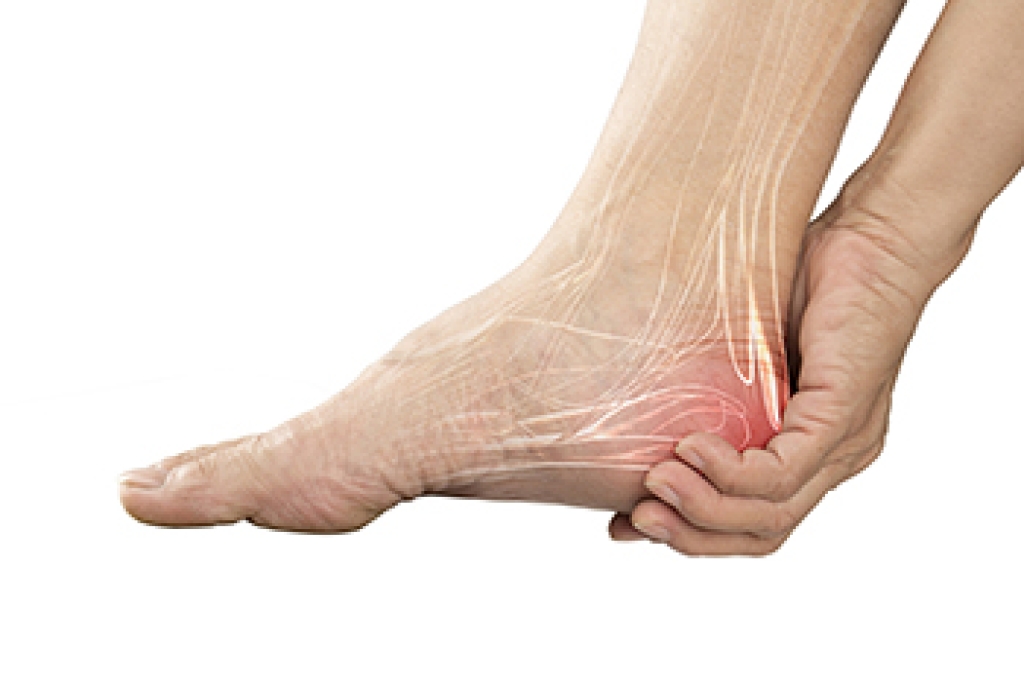
Cuboid syndrome occurs when the cuboid bone in the foot becomes partially dislocated or misaligned, often due to an ankle sprain or overuse. Symptoms include sharp pain on the outer side of the foot, difficulty bearing weight, and tenderness when walking or standing. Risk factors include repetitive strain, poor foot mechanics, and footwear that lacks adequate support. Left untreated, cuboid syndrome may cause chronic discomfort and altered gait. A chiropodist can perform a clinical evaluation, provide manual manipulation to realign the cuboid, and offer advice on supportive footwear and strengthening exercises. If you are experiencing persistent lateral foot pain, it is suggested that you consult a chiropodist to help you restore foot function and prevent further injury.

Cuboid syndrome, also known as cuboid subluxation, occurs when the joint and ligaments surrounding the cuboid bone in the foot become injured. If you think that you may have cuboid syndrome, please consult with one of our chiropodists from West Toronto Foot & Ankle Clinic Inc. . Our chiropodist will assess your condition and provide you with quality foot and ankle treatment. 

Causes

The cuboid bone is one of the seven tarsal bones located in the foot. Cuboid syndrome develops when the cuboid bone moves down and out of alignment with the other bone (calcaneus bone) in the joint of the foot. Cuboid syndrome can be the result of a sudden injury like an ankle sprain, or it may develop slowly over time from repetitive tension through the bone and surrounding structures. 

Symptoms

The most common symptom of cuboid syndrome is pain on the outside of the foot which may worsen with activity. 

Other possible symptoms include: 

  • Difficulty bearing weight on the affected foot
  • Swelling
  • Sensitivity on the bottom of the foot
  • Reduced range of motion  

Diagnosis

A chiropodist can diagnose cuboid syndrome based on your medical history and a physical examination of the foot. Imaging studies, such as X-rays or MRIs, often fail to show the dislocated cuboid. 

Treatment

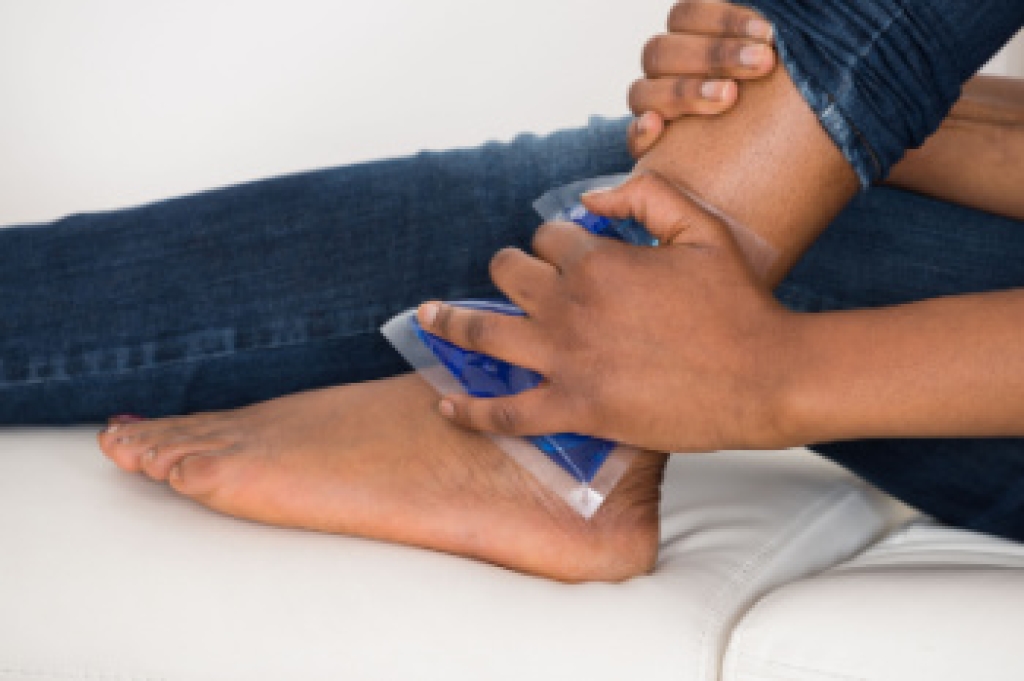
Treatment often includes resting, icing, compressing and elevating the affected foot, taping, wearing orthotic inserts, and taking anti-inflammatory medications to reduce pain. The chiropodist may also be able to manipulate the dislocated bone back into alignment.

If you have any questions please feel free to contact our office located in Toronto, ON

Read more about Cuboid Syndrome

Bottom of the Foot Pain While Walking

Pain on the bottom of the foot while walking  can significantly affect your  daily activities. Several conditions may contribute to this discomfort. One frequent cause is plantar fasciitis, which involves inflammation of the tissue that runs along the bottom of the foot, often leading to heel or arch pain. Other potential causes include metatarsalgia, which results from pressure on the ball of the foot, or the presence of a neuroma, a painful nerve condition. Improper footwear, standing for extended periods of time, or having high or flat arches can also place stress on the feet. Identifying the source of the pain is essential for effective treatment. If you have pain in this or any part of your foot, it is suggested that you consult a chiropodist who can accurately diagnose and treat various foot conditions.

Foot pain is a common problem treated by chiropodists. If you have foot pain, please consult with one of our chiropodists from West Toronto Foot & Ankle Clinic Inc. . Our chiropodist can help you maintain the health of your lower limbs and your mobility. 

When you are experiencing foot pain, it’s important to note the type of pain and its location, as this can help determine a diagnosis. 

Pain in the top of the foot may be caused by:

  • Stress fractures
  • Sinus tarsi syndrome
  • Extensor tendonitis
  • Tibialis anterior tendonitis
  • Gout
  • Athlete’s foot
  • Ganglion cysts

Pain in the bottom of the foot may be caused by:

  • Plantar fasciitis
  • Foot cramps
  • Tarsal tunnel syndrome
  • Plantar fibromatosis
  • Posterior tibial tendonitis
  • Stress fractures
  • Flat feet

Pain on the side of the foot may be caused by:

  • Ankle sprain
  • Cuboid syndrome
  • Peroneal tendonitis
  • Stress fractures
  • Bunions
  • Corns or calluses
  • Posterior tibial tendonitis

Heel pain may be caused by:

  • Plantar fasciitis
  • Achilles tendonitis
  • Bone spurs
  • Heel fractures
  • Retrocalcaneal bursitis
  • Sever’s disease 

Pain in the toes may be caused by:

  • Gout
  • Hammertoe
  • Turf toe
  • Bunions
  • Ingrown toenails
  • Blisters
  • Arthritis

These and many more conditions can be treated by a chiropodist. If you have any questions please feel free to contact our office located in Toronto, ON

Read more about Foot Pain

Understanding and Treating Heel Pain

Heel pain can stem from several causes. Plantar fasciitis is one of the most frequent, resulting from inflammation of the band of tissue that supports the arch of the foot. Other causes include Achilles tendonitis, heel spurs, bursitis, or stress fractures. Contributing factors may include overuse, poor footwear, flat feet, high arches, or sudden increases in activity. The pain is often sharpest with the first steps in the morning or after long periods of rest. Treatment depends on the cause but often includes rest, stretching exercises, and wearing supportive footwear or orthotics. Anti-inflammatory medications may also help reduce pain and improve function. In more persistent cases, advanced therapies or injections may be considered. If you are experiencing ongoing heel pain, it is suggested you see a chiropodist for a diagnosis and appropriate treatment.

Heel pain is a common problem that can be caused by a variety of injuries, medical conditions, and other factors. If you suffer from heel pain, please consult with one of our chiropodists from West Toronto Foot & Ankle Clinic Inc. . Our chiropodist can help you maintain the health of your lower limbs and your mobility. 

When it comes to heel pain, the exact location and type of pain are important to note. Some of the conditions that may cause heel pain include: 

  • Plantar fasciitis - An inflammation of the ligament that runs along the bottom of the foot; it causes a stabbing pain under the heel that is at its worst when taking your first few steps after a long rest and while standing on your tiptoes or climbing stairs
  • Achilles tendonitis - An inflammation of the tendon in the back of the calf; it causes pain in the back of the heel that is at its worst after resting, as well as ankle and calf stiffness, swelling, and tenderness
  • Bone spurs - Bony lumps on the back of the heel bones that cause sharp pain upon first standing up; the pain becomes dull and achy over time
  • Heel fractures - A break or crack in the heel bone that causes pain, swelling, and difficulty walking
  • Retrocalcaneal bursitis - Swelling of the small, fluid-filled sac at the back of the heel bone; it causes pain, swelling, redness, and warmth in the back of the heel
  • Tarsal tunnel syndrome - Compression of the posterior tibial nerve which causes a pins and needles sensation in the heel, foot, and calf 

Your chiropodist will be able to diagnose the underlying cause of your pain and prescribe the right treatments for you. If you have any questions please feel free to contact our office located in Toronto, ON

Read more about Heel Pain

Heel Pain in the Morning?

Heel pain can negatively affect your day-to-day life. Simple activities like walking can become incredibly uncomfortable or painful due to heel pain.

Don’t live with heel pain and get treated.

Causes of Cracked Heels

Dry, cracked feet are a common issue, with heels being especially vulnerable due to constant pressure and exposure. The skin on the heels is naturally thicker, making it prone to dehydration, especially in dry weather or from frequent barefoot walking. Contributing factors include aging, diabetes, eczema, prolonged standing, and improper footwear. Cracks can range from mild dryness to deep fissures that bleed or become infected. Regular moisturizing, exfoliation, and wearing supportive shoes can help prevent worsening. If cracks are severe, a chiropodist may debride thickened skin, recommend medical-grade moisturizers, or provide specialized orthotics to reduce pressure. In cases of infection, antibiotics or wound care may be necessary. If your heels crack deeply, bleed, or show signs of infection like redness or swelling, it is suggested that you seek help from a chiropodist to prevent complications and promote healing.

Cracked heels, also known as heel fissures, can cause pain and discomfort. If your cracked heels are bothering you, please consult with one of our chiropodists from West Toronto Foot & Ankle Clinic Inc. . Our chiropodist will assess your condition and provide you with quality foot and ankle treatment. 

Dry, thickened skin around the rim of the heel is typically the first sign of cracked heels. While this condition is common and usually just a nuisance, some cases can be more severe. If left untreated and as more pressure is placed on the heel, the cracks become deeper and eventually walking and standing can be painful. These deep cracks or fissures can bleed and also become infected. Those with diabetes need to be especially careful as fissures could lead to diabetic foot ulcers. 

Causes

Cracked heels can be the result of several different factors, including: 

  • Dry skin
  • Taking long, hot showers or using harsh soaps
  • Standing for long periods of time
  • Walking barefoot
  • Walking in shoes with an open back, such as sandals or flip flops
  • Wearing shoes that do not fit properly
  • Living in a cold or dry climate
  • Certain skin conditions, such as eczema or psoriasis

Treatment

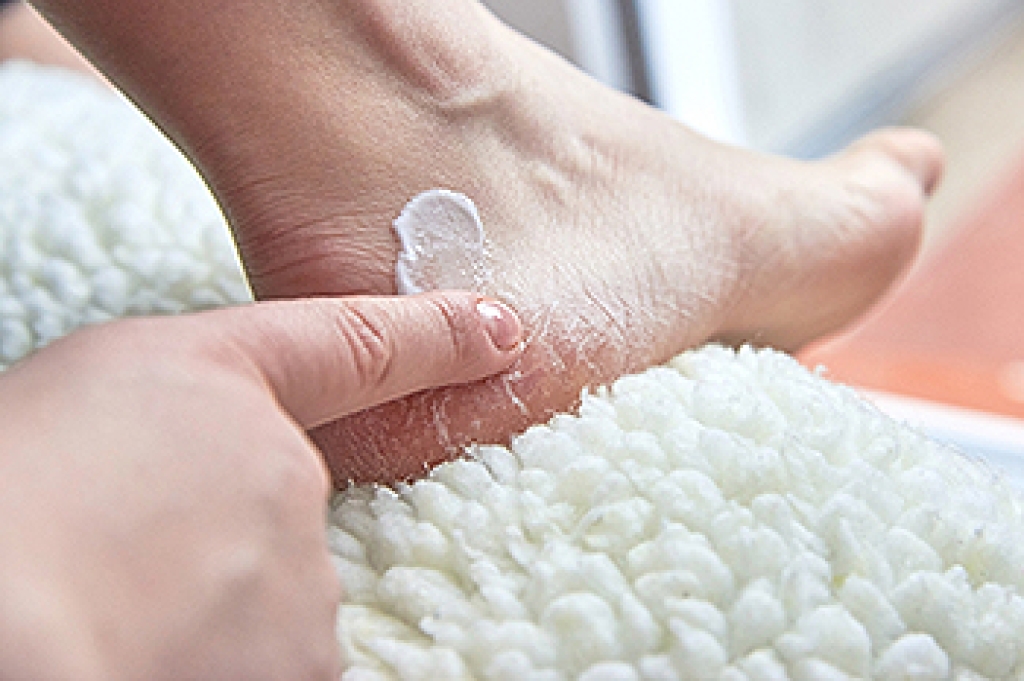
There are many at-home treatment remedies for cracked heels. Applying moisturizers to the heel can help hydrate the skin. Soaking your feet in warm water and exfoliating them with a loofah or pumice stone can help to buff away dead skin cells. If you are afflicted with cracked heels, it is recommended that you see a chiropodist for treatment. 

Prevention

You can prevent cracked heels by:

  • Avoiding standing in one position for prolonged periods of time
  • Wearing well-fitted shoes with a closed back
  • Washing your feet with gentle soaps and lukewarm water
  • Moisturizing the feet daily

If you have any questions please feel free to contact our office located in Toronto, ON

Read more about Curing Cracked Heels

Connect With Us