Taking Care of Your Feet as You Age

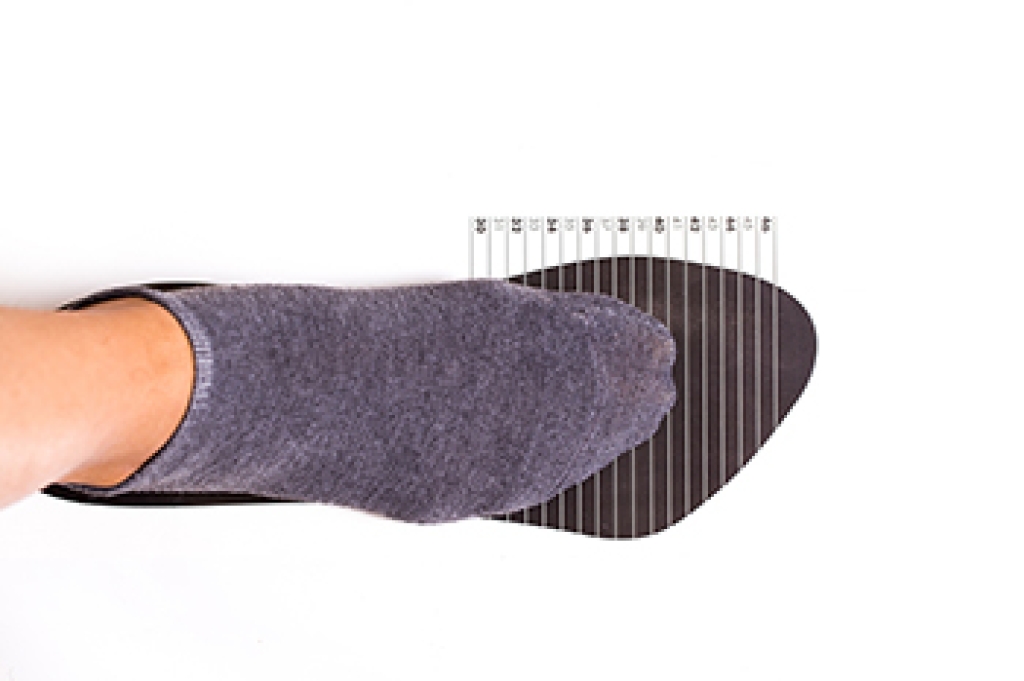
From poor circulation and dry skin to brittle nails, obesity, and thinned-out fat pads, growing old can increase your risk for foot problems. Showing your feet some love as you age can help you avoid many of these problems. One of the best things you can do as an elderly person to maintain, or possibly even improve, your foot health is to wear good shoes that fit properly. Good quality footwear with proper support and fit will help keep heel pain, blisters, bunions, corns, and calluses at bay. Stretching, walking, elevating the feet whenever possible, and staying away from tight socks can help with your circulation. Keeping your feet clean, dry, and moisturized can help avoid conditions such as athlete’s foot and cracked heels. Maintaining a healthy body weight will avoid putting undue pressure on your feet and ankles and help prevent a variety of conditions from developing. Consult with a chiropodist for more advice on how to keep your feet healthy throughout your lifetime.

Foot problems can become increasingly common as we age, making everyday foot care especially important. To learn more about maintaining proper foot health, please consult with one of our chiropodists from West Toronto Foot & Ankle Clinic Inc. . Our chiropodist will assess your condition and provide you with quality foot and ankle treatment. 

Common Foot Problems

Certain foot problems may be more likely to affect older adults. 

Some examples of foot conditions that can be common in older adults include: 

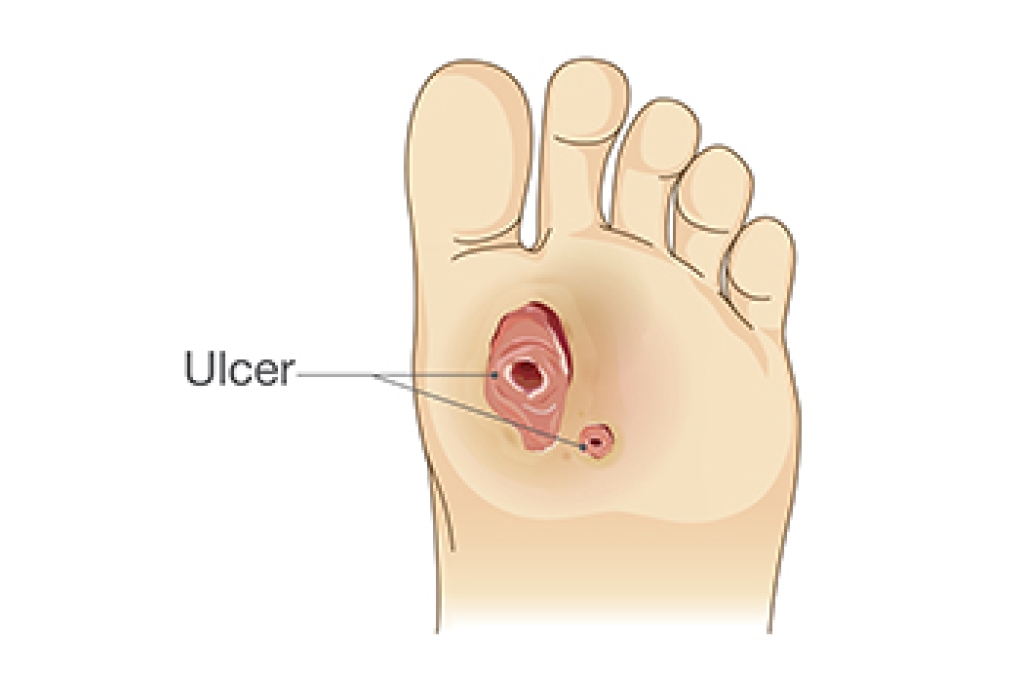
  • Dry, cracked skin
  • Calluses and corns
  • Blisters
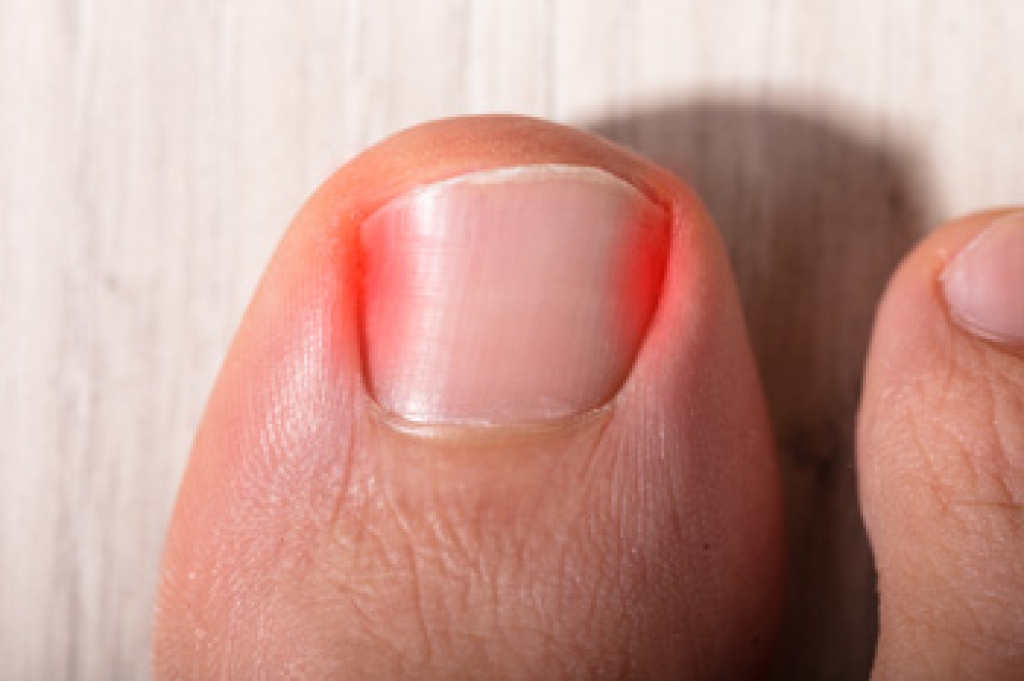
  • Ingrown toenails
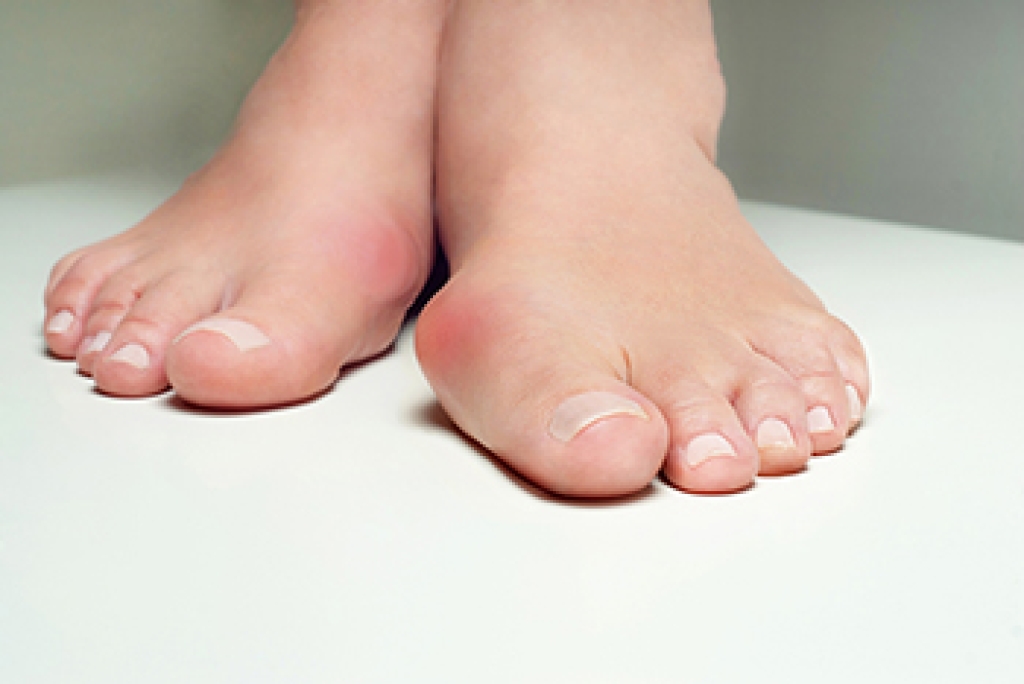
  • Deformities such as bunions or hammertoes
  • Fungal infections
  • Plantar warts

Systemic conditions, such as diabetes or arthritis, are also more likely to affect older people and manifest symptoms in the feet and ankles. 

Daily Foot Care Tips

Having a daily foot care routine can help detect problems early on and prevent future issues. 

Things that you can do at home to care for your feet include: 

  • Washing the feet daily with warm water, drying them thoroughly, and then applying a moisturizer
  • Trimming the toenails straight across and not too short to prevent ingrown toenails
  • Performing daily foot exercises to improve foot strength and mobility
  • Wearing shoes when walking to avoid injury
  • Inspecting the feet daily for any cuts, scrapes, sores, or other abnormalities and seeking prompt treatment if any problems are discovered 

If you have any questions please feel free to contact our office located in Toronto, ON

Read more about Elderly Foot Care

Possible Reasons for Ankle Pain

A sprained ankle is one of the most common ankle injuries. A sprain differs from a break or fracture in that ligaments are torn or overstretched. Sprains are usually the result of twisting the ankle. However, ankle pain can have various causes, such as arthritis, gout, nerve damage or injury, blocked blood vessels, or infection of the joint. The RICE method is the easiest method of treatment one with ankle pain can try at home. This method encompasses rest (R), ice (I), compression (C) and elevation (E). Along with over-the-counter drugs like acetaminophen or ibuprofen, the pain may subside. Gentle exercises involving foot flexing will often help speed the recovery process. If your ankle pain does not subside with home treatment, visit a chiropodist for proper diagnosis and suggestions for treatment.

Ankle pain is a common symptom of many lower limb problems. If you are experiencing ankle pain, please consult with one of our chiropodists from West Toronto Foot & Ankle Clinic Inc. . Our chiropodist will assess your condition and provide you with quality foot and ankle treatment. 

The ankle is composed of a number of muscles, bones, tendons, and ligaments. There are many conditions which may cause ankle pain. 

Causes

  • Ankle strains or sprains
  • Achilles tendon injuries
  • Fractures
  • Bursitis
  • Arthritis
  • Gout
  • Tarsal tunnel syndrome

Symptoms

If you have ankle pain, you may also experience a variety of other symptoms depending on the underlying cause of the pain. Some of these symptoms may include ankle swelling, bruising, redness, numbness or tingling, instability, and difficulty walking.

Diagnosis

The underlying cause of ankle pain can be diagnosed by a chiropodist. Diagnoses are typically made based on your medical history, a physical examination of the affected ankle, and imaging studies such as X-rays. 

Treatment

Treatment for your ankle pain will depend on its underlying cause. Often, the chiropodist will recommend that you rest the affected ankle. You might also need to ice, compress, and elevate the ankle, wear an orthotic device, or take medications to reduce pain and inflammation. 

If you have any questions please feel free to contact our office located in Toronto, ON

Read more about Ankle Pain

The Complications of Excessively Sweaty Feet

Plantar hyperhidrosis is a medical condition that causes the feet to sweat excessively. Not only is this an annoying problem that can ruin your shoes or leave behind damp footprints, it can also lead to more serious medical complications. Because the feet of someone with plantar hyperhidrosis are constantly wet, the skin can begin to break down. This can lead to foot wounds and infections. Fungal infections, like athlete’s foot, are particularly common as the damp feet provide the perfect environment for the fungi to grow and thrive in, but bacterial and viral infections are also possible. Fortunately, there are many treatment options available for plantar hyperhidrosis. To learn more, please consult with a chiropodist. 

Plantar hyperhidrosis is a medical condition that causes excessive sweating of the feet. This problem is not only embarrassing but can also cause a variety of foot health problems if left untreated. Fortunately, there are many effective treatments available for plantar hyperhidrosis. If you have very sweaty feet, please consult with one of our chiropodists from West Toronto Foot & Ankle Clinic Inc. . Our chiropodist can help you maintain the health of your lower limbs and your mobility. 

Signs & Symptoms

  • Excessive foot sweat
  • Sweating from both feet
  • Slipping out of shoes due to sweat
  • Damp footprints
  • Ruined shoes
  • Frequent foot infections
  • Friction blisters
  • Whitish foot color
  • Wrinkly, pruney feet
  • Cold feet
  • Strong odor

Treatment Options

  • Topical antiperspirants - Powders, creams, or gels that are applied directly to the feet to prevent sweating; can be over the counter or prescription strength
  • Oral medications - Pills taken by mouth to reduce sweating temporarily
  • Iontophoresis - A procedure that uses a mild electrical current conducted through water to reduce activity in hyperactive sweat glands
  • Botox - Injected into the feet to prevent activation of sweat glands

In addition to these treatment options, footwear modifications, such as wearing shoes and socks made of breathable or moisture-wicking materials, are also suggested. If you have any questions please feel free to contact our office located in Toronto, ON

Read more about Hyperhidrosis of the Feet

Your Feet Can Say a Lot About Your Health

Your feet support your entire body and carry you through your daily life, so perhaps it should come as no surprise that signs of problems elsewhere in the body can be seen in the feet. For example, a loss of hair on the feet and legs may indicate peripheral artery disease (PAD), a condition characterized by poor circulation in the lower limbs. Another potential sign of PAD, as well as diabetes, are poorly-healing wounds on the feet. Various types of arthritis also tend to make themselves known via foot problems. Stiff and sore foot and ankle joints could be a sign of rheumatoid arthritis (RA), while an enlarged big toe may indicate gout, and pitted toenails are often associated with psoriatic arthritis. It’s important to monitor the health of your feet, and your chiropodist can help. If you have any questions or concerns about your foot health, don’t hesitate to schedule an appointment with a chiropodist near you. 

Systemic diseases are medical problems that affect the entire body. Many systemic diseases can bring about foot and ankle problems. If you have a systemic disease that affects your lower limbs, please consult with one of our chiropodists from West Toronto Foot & Ankle Clinic Inc. . Our chiropodist can help you maintain the health of your lower limbs and your mobility. 

Which systemic diseases can affect the feet?

  • Peripheral artery disease - Causes inadequate blood flow to the lower limbs
  • Peripheral neuropathy - Nerve damage in the nerves that supply the feet and ankles
  • Diabetes - Can cause nerve damage, poor circulation, and a weakened immune system that can lead to the formation of poorly healing wounds on the feet
  • Arthritis - A disease of the joints that damages joint lining, it often affects the small joints of the feet and the ankle joints
  • Gout - A build up of uric acid in the bloodstream that forms crystals that can lodge in the joints

How can a chiropodist help? 

Chiropodists help people who have systemic disease manage and maintain their foot health in a variety of ways. They can diagnose a multitude of foot and ankle problems, screen for certain systemic conditions, teach patients about proper foot care, and provide information about preventive strategies that patients could employ to avoid complications from their systemic diseases. Chiropodists can also treat foot and ankle problems through medications, foot and ankle exercises, orthotics, and lifestyle recommendations, among many other potential treatments

If you are living with a systemic illness that impacts your foot health, please feel free to contact our office located in Toronto, ON

Read more about Systemic Diseases of the Feet

Why Live with Pain and Numbness in Your Feet?

Suffering from this type of pain? You may have the foot condition known as Morton's neuroma. Morton's neuroma may develop as a result of ill-fitting footwear and existing foot deformities. We can help.

Connect With Us