Constant care and regular evaluation are important for a foot or ankle fracture. If left untreated, foot or ankle fractures can worsen over time and create more serious problems.
Don't wait to be examined if you believe you've experienced a foot or ankle fracture.
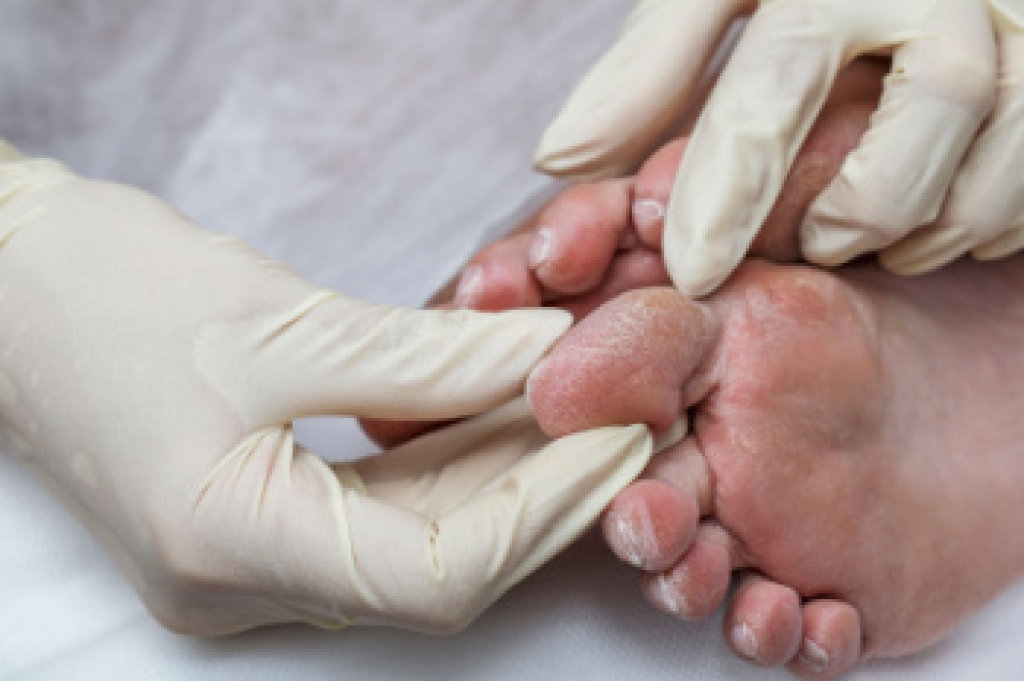
Diabetic foot wounds are open sores or ulcers that develop due to poor circulation, nerve damage, and delayed healing associated with diabetes. These wounds often occur on the bottom of the feet and can quickly become serious, if not treated properly. Proper care includes daily inspection of the feet, keeping wounds clean and protected, supportive footwear, and managing blood sugar levels. A chiropodist can play a key role in treatment by monitoring healing, preventing infection, and providing custom orthotics to reduce pressure on vulnerable areas. If you or a loved one has diabetes and developed a diabetic foot wound, it is suggested that you are under the care of a chiropodist who can help you to manage this serious condition.
Diabetes can cause serious problems in the lower limbs if proper preventive measures are not taken and diabetic wound care is not performed. If you would like to learn more about caring for diabetic feet, please consult with one of our chiropodists from West Toronto Foot & Ankle Clinic Inc. . Our chiropodist can help you maintain the health of your lower limbs and your mobility.
Diabetes can lead to a host of foot and ankle complications, including:
Poor circulation
Peripheral neuropathy
Diabetic foot wounds and ulcers
Infection
Corns and calluses
Dry, cracked skin
Nail disorders
Hammertoes
Bunions
Charcot foot
If you have diabetes, you must be vigilant of any changes in your foot health. This is best done through daily foot inspections. Using a mirror to help you if necessary, look for any:
Cuts, scrapes, sores, or wounds
Bruising or discoloration
Swelling
Rash
Foul odor
Nail changes
Hair loss
Warmth and inflammation
Deformities
Lower limb pain
Strange sensations (numbness, tingling, burning, pins, and needles)
If you have any questions please feel free to contact our office located in Toronto, ON.
Foot or ankle pain can negatively affect your day-to-day life and can occur due to several different conditions. Pain can also be an indicator of a more serious underlying condition, which is why you should seek professional help as soon as you notice any abnormalities in your feet.
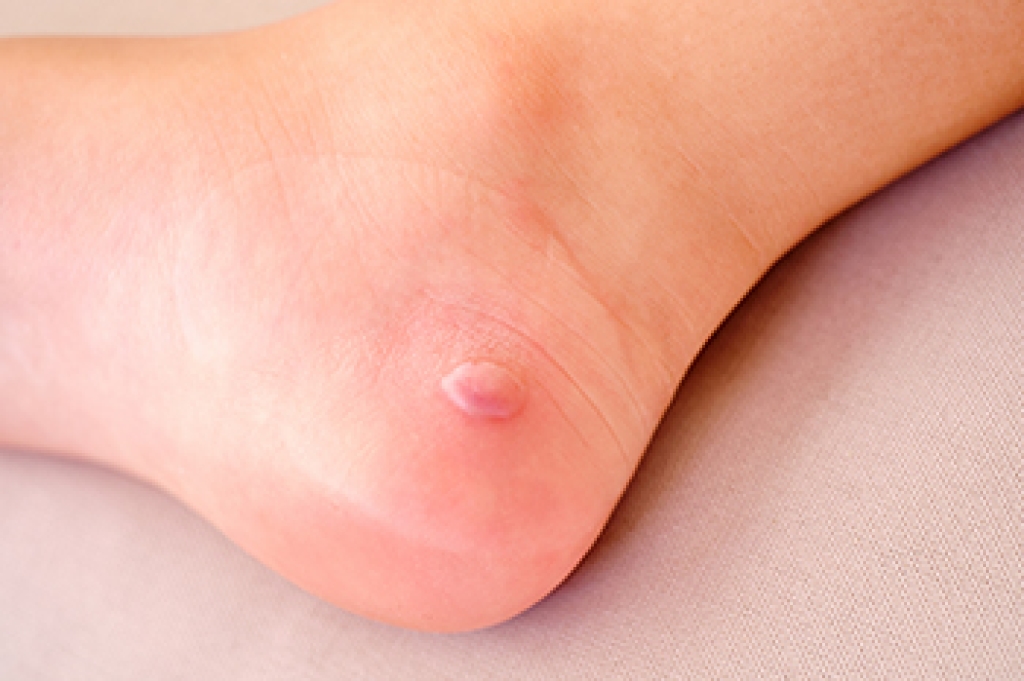
Foot blisters are small pockets of fluid that form under the skin, often caused by repeated rubbing or pressure. Wearing tight shoes, new footwear, excessive walking, or sweaty feet can all lead to friction that irritates the skin. Blisters may also result from burns, allergic reactions, or infections. Most blisters heal on their own if the skin remains intact. It is best not to pop them, as the fluid protects the skin underneath and helps prevent infection. Keeping the area clean, dry, covered with a sterile bandage, and wearing socks that reduce friction and choosing properly fitted shoes are important steps for prevention. When a blister becomes painful, large, or shows signs of infection such as redness or pus, it is suggested that you see a chiropodist who can offer effective relief tips.
Blisters can usually be treated at home, however, if you have recurring blisters or experience significant discomfort or pain, please consult with one of our chiropodists from West Toronto Foot & Ankle Clinic Inc. . Our chiropodist will assess your condition and provide you with quality foot and ankle treatment.
What Is a Blister?
A blister is a small pocket of fluid in the upper skin layers and is one of the body’s natural responses to injury or pressure. Blisters can also result from burns, fungal or viral skin infections, and the feet are particularly prone due to ill-fitting footwear and friction. Friction on the skin causes the upper layer of skin to separate from the lower layers. The space that this separation creates then becomes filled with a liquid called serum, which protects the lower layers of skin.
Treatment
If you notice a blister on your foot, you can cover it with a soft bandage or dressing to protect it. Popping the blister is discouraged. Doing so exposes the raw skin underneath it to bacteria and also raises the risk of infection. If a blister pops naturally, let it drain before covering it with a bandage. Blisters usually heal on their own or with home treatment, however, if your blister is recurring, very painful, or appears infected, it is recommended that you see a chiropodist for treatment.
Prevention
You can help to prevent blisters by wearing comfortable, well-fitted shoes. Keep your feet dry by wearing moisture-wicking socks and dust your feet with talcum powder if they tend to get sweaty. If you have areas on your feet that are more susceptible to blisters, you might be able to prevent the blister from forming by covering it with a pad.
If you have any questions please feel free to contact our office located in Toronto, ON.
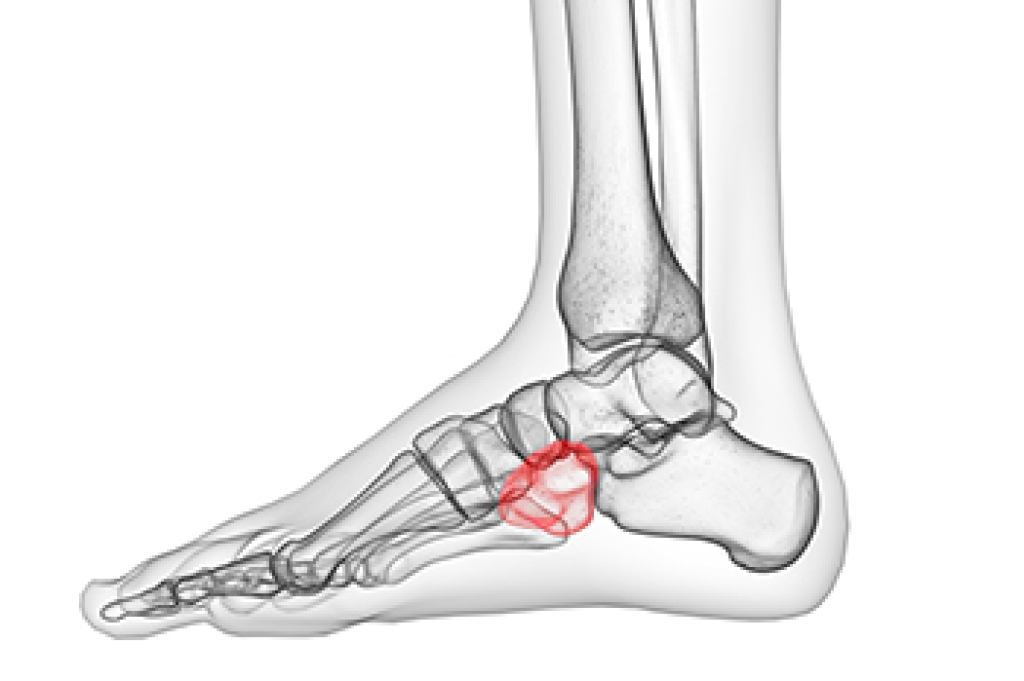
Cuboid syndrome occurs when the cuboid bone in the foot becomes partially dislocated or misaligned, often due to an ankle sprain or overuse. Symptoms include sharp pain on the outer side of the foot, difficulty bearing weight, and tenderness when walking or standing. Risk factors include repetitive strain, poor foot mechanics, and footwear that lacks adequate support. Left untreated, cuboid syndrome may cause chronic discomfort and altered gait. A chiropodist can perform a clinical evaluation, provide manual manipulation to realign the cuboid, and offer advice on supportive footwear and strengthening exercises. If you are experiencing persistent lateral foot pain, it is suggested that you consult a chiropodist to help you restore foot function and prevent further injury.
Cuboid syndrome, also known as cuboid subluxation, occurs when the joint and ligaments surrounding the cuboid bone in the foot become injured. If you think that you may have cuboid syndrome, please consult with one of our chiropodists from West Toronto Foot & Ankle Clinic Inc. . Our chiropodist will assess your condition and provide you with quality foot and ankle treatment.
Causes
The cuboid bone is one of the seven tarsal bones located in the foot. Cuboid syndrome develops when the cuboid bone moves down and out of alignment with the other bone (calcaneus bone) in the joint of the foot. Cuboid syndrome can be the result of a sudden injury like an ankle sprain, or it may develop slowly over time from repetitive tension through the bone and surrounding structures.
Symptoms
The most common symptom of cuboid syndrome is pain on the outside of the foot which may worsen with activity.
Other possible symptoms include:
Difficulty bearing weight on the affected foot
Swelling
Sensitivity on the bottom of the foot
Reduced range of motion
Diagnosis
A chiropodist can diagnose cuboid syndrome based on your medical history and a physical examination of the foot. Imaging studies, such as X-rays or MRIs, often fail to show the dislocated cuboid.
Treatment
Treatment often includes resting, icing, compressing and elevating the affected foot, taping, wearing orthotic inserts, and taking anti-inflammatory medications to reduce pain. The chiropodist may also be able to manipulate the dislocated bone back into alignment.
If you have any questions please feel free to contact our office located in Toronto, ON.